The question of whether it is safe to add water to coolant is a complex one that requires some understanding of how coolant works and what its purpose is in a vehicle. In short, adding water to coolant is generally acceptable in certain circumstances, but it is not always the best solution.
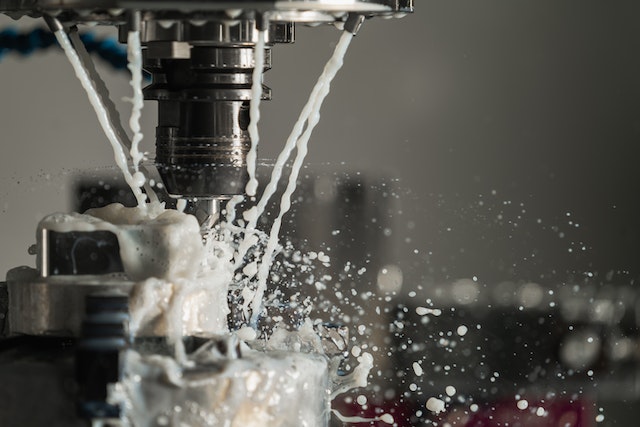
Coolant is a mixture of water and antifreeze, usually ethylene glycol, that circulates through a vehicle’s engine to absorb heat and transfer it to the radiator, where it is dissipated into the air. The purpose of coolant is to prevent the engine from overheating, which can cause significant damage and even lead to engine failure.
When coolant is mixed with water, it creates a diluted solution that has a lower boiling point and a higher freezing point than pure water. This makes it more effective at absorbing heat and prevents it from freezing in colder temperatures. However, over time, the coolant can become contaminated with debris, rust, and other particles, which can reduce its effectiveness.
If the coolant in your vehicle is low, you may be tempted to simply add water to top it off. In some cases, this may be acceptable, especially if you’re only adding a small amount of water, and your vehicle’s coolant mixture is already close to a 50/50 ratio of coolant and water. However, adding a significant amount of water could dilute the coolant too much, reducing its effectiveness at preventing overheating and protecting the engine from corrosion.
Another issue with adding water to coolant is that it can cause the mixture to become too alkaline or too acidic, depending on the pH level of the water you’re adding. This can cause corrosion and damage to the engine and other components over time, which can be costly to repair.
It is also important to keep in mind that low coolant levels can be a sign of a larger problem with your vehicle. For example, if your vehicle is losing coolant on a regular basis, it could be a sign of a leak in the system that needs to be addressed. If you simply add water to the coolant without addressing the underlying problem, you could be putting your vehicle at risk of further damage.
In general, the best course of action if you’re low on coolant is to check your vehicle’s owner’s manual for the recommended coolant mixture and then add a 50/50 mixture of coolant and water as needed. If you’re not comfortable doing this yourself, it’s always a good idea to have your vehicle inspected by a qualified mechanic to ensure that everything is working properly.
If you do need to add water to coolant, it’s important to use distilled water rather than tap water. Distilled water is free of minerals and other impurities that can cause corrosion and damage to your engine. It’s also important to make sure that you add the water to the coolant reservoir rather than directly to the radiator, as adding water to the radiator can cause it to overflow and potentially damage the engine.
In conclusion, adding water to coolant is generally acceptable in certain circumstances, but it’s important to understand the potential risks and limitations. It is always best to consult with a qualified mechanic or refer to your vehicle’s owner’s manual for guidance if you’re not sure whether it’s okay to add water to your vehicle’s coolant. By taking care of your vehicle’s cooling system and addressing any issues promptly, you can help ensure that your vehicle stays running smoothly and reliably.