The term “third world country” is a term that was originally used during the Cold War to describe countries that were not aligned with either the capitalist first world or the communist second world. The term has since taken on a broader meaning, often used to describe countries with low levels of economic development and social progress.
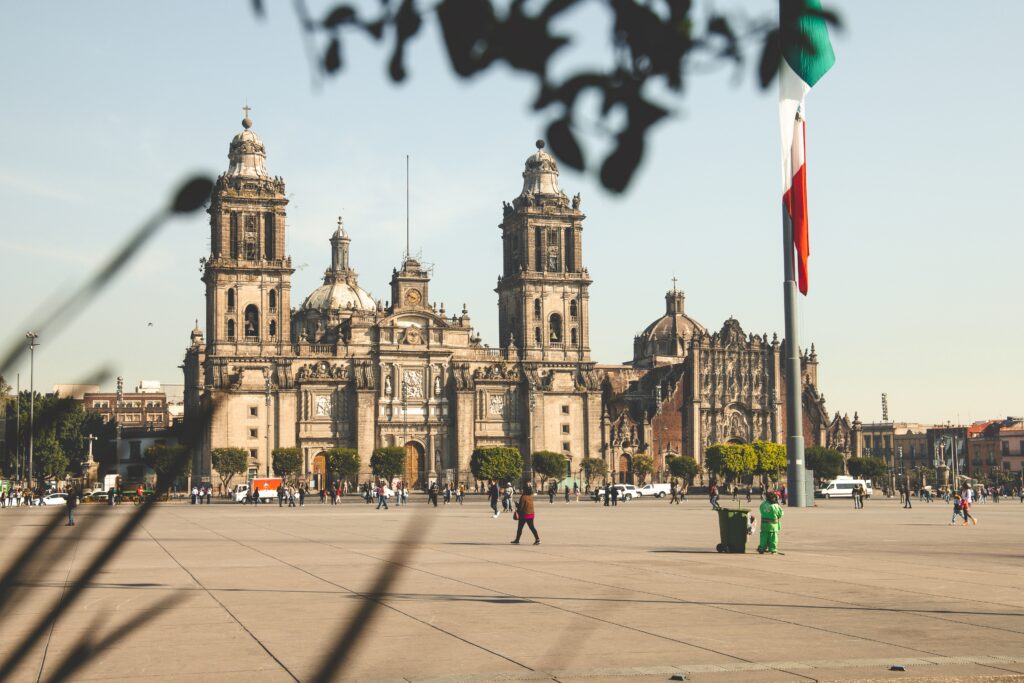
Mexico is a country located in North America, bordered by the United States to the north and Belize and Guatemala to the south. It has a population of over 128 million people and is the 11th most populous country in the world. Mexico is the 15th largest economy in the world, with a GDP of $1.2 trillion (2019), making it the second-largest economy in Latin America after Brazil.
Mexico has a diverse economy, with industries ranging from manufacturing to agriculture. The country has a large automotive industry, with major manufacturers such as Ford, General Motors, and Volkswagen operating in the country. It is also a major producer of oil, with significant reserves located in the Gulf of Mexico. However, the country’s economy is heavily reliant on the United States, with around 80% of its exports going to the US.
Despite its relatively large economy, Mexico faces significant social and economic challenges. The country has high levels of income inequality, with the richest 10% of the population earning almost 40% of the country’s income, while the poorest 10% earn less than 1%. Mexico also has a significant informal economy, with over 30% of the workforce working in informal jobs with no social security or legal protections.
Mexico also faces significant challenges in terms of violence and crime. The country has one of the highest murder rates in the world, with over 35,000 homicides reported in 2019. Drug trafficking and organized crime are significant problems, particularly in states along the US border.
In terms of health and education, Mexico has made significant progress in recent years. The country has a universal healthcare system, and life expectancy has increased from 71 years in 1990 to 76 years in 2020. However, the quality of healthcare varies significantly, with significant disparities between rural and urban areas. Mexico also has a large and growing young population, with almost 40% of the population under the age of 25. The country has made significant progress in expanding access to education, with almost all children attending primary school, but there are still significant challenges in terms of quality and access to higher education.
In conclusion, Mexico is a country with a diverse economy and significant potential for growth. However, it faces significant social and economic challenges, particularly in terms of income inequality, violence and crime, and access to healthcare and education. While the country has made progress in recent years, there is still a long way to go before Mexico can be considered a fully developed country. Whether or not Mexico is considered a “third world country” depends on one’s definition of the term, but it is clear that Mexico still faces significant challenges in terms of social and economic development.