Determining whether or not your pineapple is moldy can be a tricky task. Mold is a type of fungus that can grow on fruits and vegetables, and can cause a range of health issues if ingested. While mold can sometimes be visible on the surface of a pineapple, there are other signs to look out for as well.
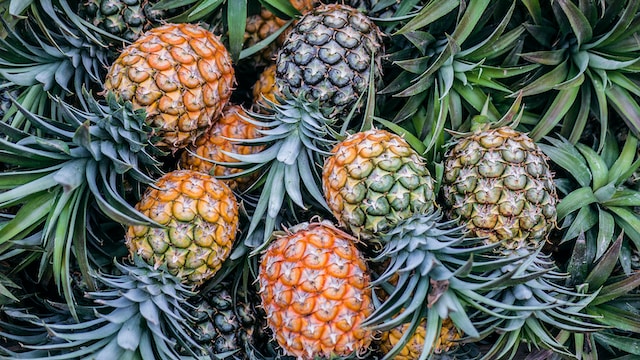
First, it is important to know what a fresh pineapple should look and feel like. A ripe pineapple should have a golden-yellow color and a sweet, tropical aroma. The flesh of the pineapple should be firm but slightly yielding to the touch. The leaves on top of the pineapple should be green and healthy-looking.
If you notice any signs of mold on the surface of the pineapple, such as fuzzy or slimy patches, then it is likely that the pineapple is moldy. In this case, it is best to discard the entire fruit, as the mold can spread throughout the pineapple and potentially cause health issues.
However, mold may not always be visible on the surface of the pineapple. Mold can sometimes grow inside the fruit, particularly if it has been sitting for a while or has been improperly stored. In this case, there may be no visible signs of mold on the surface, but the flesh of the pineapple may be soft, mushy, or discolored. This is a sign that the pineapple is no longer fresh and should be discarded.
Another sign that your pineapple may be moldy is an unpleasant or sour odor. If the pineapple has a strong or unpleasant smell, it may be an indication that it is no longer fresh and may have mold or other bacterial growth. It is best to discard the pineapple in this case, as consuming moldy fruit can cause a range of health issues.
In general, it is important to properly store your pineapple to prevent mold growth. Pineapples should be stored at room temperature until they are fully ripe, at which point they can be stored in the refrigerator for up to five days. It is important to avoid storing pineapples in damp or humid areas, as this can promote mold growth.
If you are unsure whether or not your pineapple is moldy, it is best to err on the side of caution and discard the fruit. Moldy fruit can cause a range of health issues, particularly for individuals with weakened immune systems or underlying health conditions. Additionally, consuming moldy fruit can lead to food poisoning and other gastrointestinal issues.
In conclusion, determining whether or not your pineapple is moldy can be a tricky task. Visible signs of mold, soft or discolored flesh, and an unpleasant odor are all indications that the fruit may be moldy and should be discarded. Proper storage techniques can help prevent mold growth, but it is important to discard any fruit that you suspect may be moldy to avoid potential health issues.