Bananas are a good source of many essential nutrients, including potassium, fiber, vitamin C, vitamin B6, and magnesium. Magnesium is a mineral that is important for many bodily functions, including regulating muscle and nerve function, blood sugar levels, and blood pressure. It also plays a role in the synthesis of proteins, DNA, and RNA.
The recommended daily intake of magnesium varies depending on age, gender, and other factors such as pregnancy or breastfeeding. The National Institutes of Health (NIH) recommends that adult men consume 400-420 mg of magnesium per day, while adult women should consume 310-320 mg per day. Pregnant women are recommended to consume 350-360 mg per day, while lactating women should consume 310-360 mg per day.
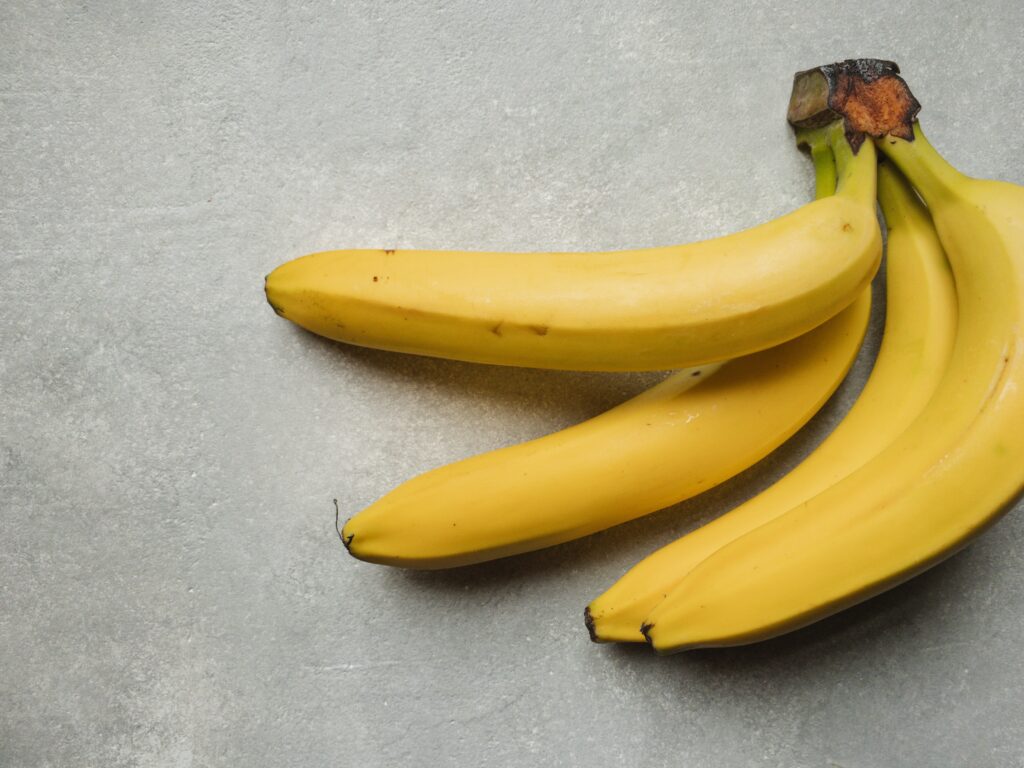
A medium-sized banana contains about 32 mg of magnesium. While this is a significant amount, it is not enough to meet the daily recommended intake of magnesium for most people. Consuming one banana per day would only provide about 8% of the recommended daily intake of magnesium for adult men and about 10% for adult women.
It is important to note that magnesium needs may vary based on individual factors such as age, health status, and lifestyle habits. For example, athletes may have higher magnesium needs due to the mineral’s role in muscle function and energy metabolism. People with certain medical conditions, such as gastrointestinal disorders or type 2 diabetes, may also have increased magnesium needs.
If you are not getting enough magnesium from your diet, you may experience symptoms such as muscle cramps, weakness, or fatigue. In severe cases, magnesium deficiency can lead to more serious health problems, such as heart arrhythmias or seizures. Therefore, it is important to ensure that you are consuming enough magnesium through your diet or through supplements if necessary.
In addition to bananas, there are many other dietary sources of magnesium. Some of the best sources include nuts and seeds, dark leafy greens, whole grains, beans and legumes, and seafood. For example, a cup of cooked spinach contains about 157 mg of magnesium, while a quarter cup of almonds contains about 96 mg.
In conclusion, while a medium-sized banana contains a decent amount of magnesium, consuming one banana per day is unlikely to provide enough magnesium to meet the daily recommended intake for most people. It is important to ensure that you are getting enough magnesium through your diet or supplements to support your overall health and well-being. If you are concerned about your magnesium intake or are experiencing symptoms of magnesium deficiency, it is best to consult with a healthcare professional for personalized advice.