Constipation is a common digestive issue that affects many people. It is characterized by infrequent bowel movements, difficulty passing stools, and often results in discomfort and bloating. Many people turn to dietary changes as a way to alleviate constipation, and pasta is one food that is often considered. But is pasta good for constipation? Let’s delve into this topic and explore the potential benefits and considerations.
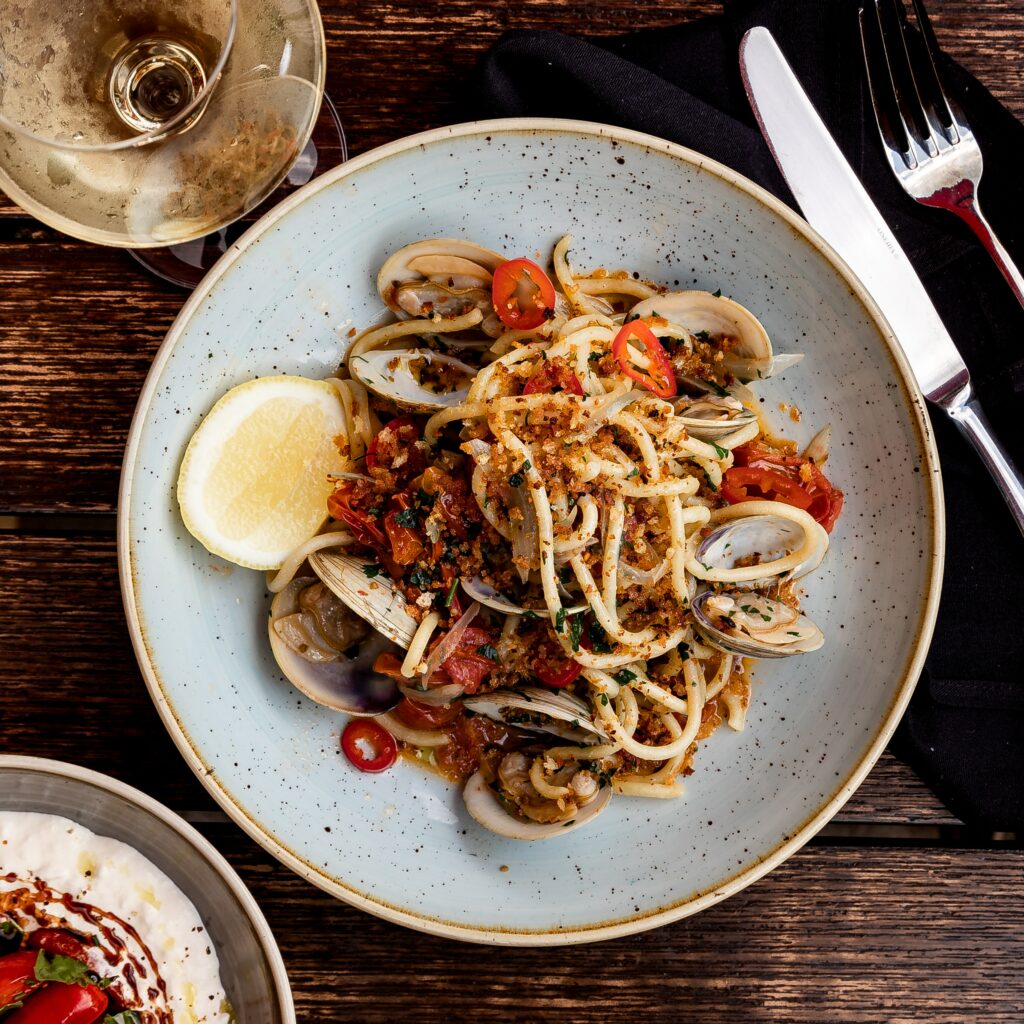
Pasta is a type of Italian cuisine made from wheat flour, water, and sometimes eggs. It comes in various shapes and sizes, such as spaghetti, fettuccine, penne, and macaroni. It is a staple in many households due to its versatility and ease of preparation. Pasta is a carbohydrate-rich food that provides energy, fiber, and other essential nutrients. These nutritional characteristics can potentially have an impact on digestive health, including constipation.
One of the primary reasons why pasta may be considered beneficial for constipation is its fiber content. Fiber is a type of carbohydrate that is not digested by the human body. It passes through the digestive system largely intact. It adds bulk to the stool, which can help promote regular bowel movements and alleviate constipation. Whole grain pasta, in particular, is a good source of dietary fiber. As it contains the bran, germ, and endosperm of the wheat kernel, unlike refined pasta, which is made from only the endosperm.
The amount of fiber in pasta can vary depending on the type of pasta and how it is prepared. On average, one cup of cooked pasta contains about 2-3 grams of dietary fiber. However, this amount may vary depending on the brand, cooking time, and portion size. As a general guideline, it is recommended that adults consume around 25-30 grams of dietary fiber per day from various sources, including whole grains, fruits, vegetables, legumes, and nuts. Incorporating pasta into a balanced diet that includes other fiber-rich foods can help increase overall fiber intake, which may have a positive impact on constipation.
Another potential benefit of pasta for constipation is its ability to retain water. When pasta is cooked, it absorbs water and swells, increasing its volume. This increased volume can help add bulk to the stool and soften it, making it easier to pass. This is especially true for whole grain pasta, as it tends to absorb more water compared to refined pasta. However, it’s important to note that consuming an excessive amount of pasta without adequate water intake may actually worsen constipation. As it can lead to dehydration and make the stool harder and more difficult to pass. Therefore, it is essential to drink plenty of water when consuming pasta or any other fiber-rich food to maintain proper hydration. Ensure optimal digestive function.
In addition to its fiber and water content. The type of sauce and toppings used with pasta can also impact its potential benefits for constipation. For example, tomato-based sauces, which are often used in traditional pasta dishes, are rich in lycopene, an antioxidant that has been associated with improved digestive health. Garlic, onions, and herbs commonly used in pasta sauces. It is also known to have anti-inflammatory properties, which can help reduce inflammation in the digestive tract and promote regular bowel movements. However, cream-based auces, such as Alfredo sauce. They can be high in fat and low in fiber, and may not be as beneficial for constipation. It’s important to choose sauces and toppings that are nutrient-rich and complement the fiber content of pasta to optimize its potential benefits for constipation.
While pasta can be a beneficial addition to a diet aimed at alleviating constipation, there are some considerations to keep in mind. Firstly, individual tolerance to pasta and other carbohydrate-rich foods can vary. Some people may find that consuming pasta exacerbates their constipation or triggers other digestive issues.