There is a widespread belief that consuming rice can impede the growth of children and teenagers. However, scientific evidence does not support this notion. Rice is a common staple food in many cultures and is a good source of carbohydrates, vitamins, and minerals, including iron, magnesium, and B vitamins. These nutrients are crucial for overall health and growth, including the development of bones.
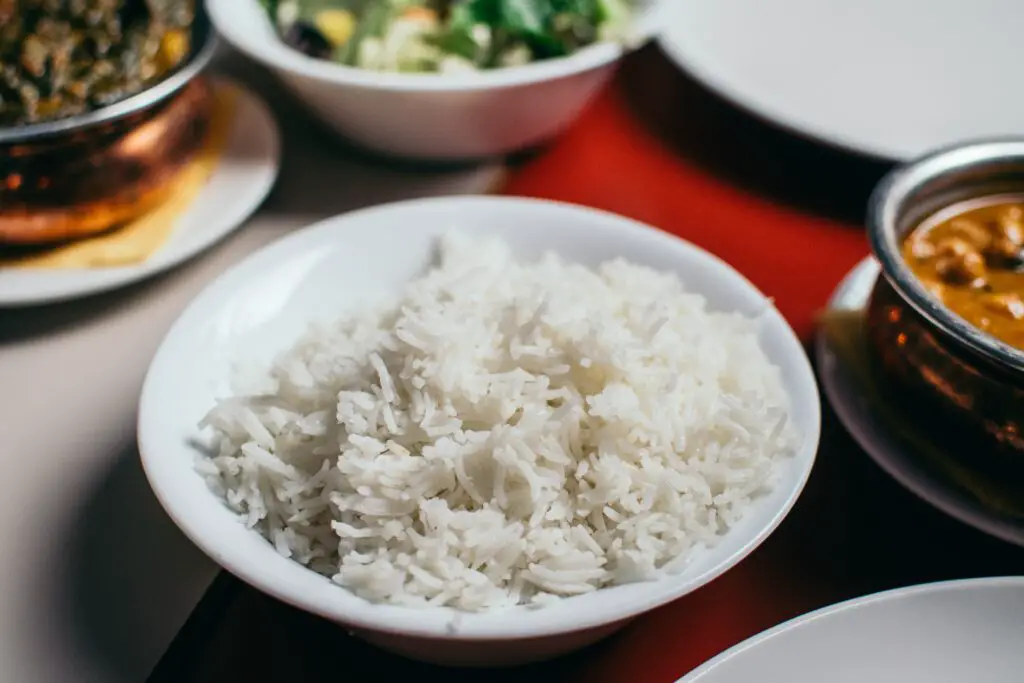
Height growth is determined by a combination of genetics, nutrition, and environmental factors. While a balanced diet is important for overall health, including bone development, there is no evidence to suggest that rice consumption has a negative impact on height growth. Studies indicate that rice consumption can, in fact, be beneficial for growth and development. For instance, a study published in the journal Nutrients showed that children who consumed more rice had higher intakes of important nutrients, such as iron and zinc, which are essential for growth and development.
Furthermore, rice is a gluten-free grain, making it a suitable option for people with celiac disease or gluten sensitivity. These individuals may struggle to absorb nutrients from other grains, which can negatively affect growth and development. It is important to note that the type and preparation of rice can affect its nutritional value. For example, brown rice contains the bran and germ layers of the grain, which are rich in fiber, vitamins, and minerals such as magnesium and phosphorus, that are important for bone health, unlike white rice, which is less nutrient-dense. Also, the method of preparing rice can affect its nutritional value, with frying or boiling rice causing some of the nutrients to be lost.
Therefore, it is crucial to prepare rice in a healthy manner. Cooking rice with bone broth or adding nutrient-dense ingredients such as vegetables or protein can boost its nutritional value. A balanced and varied diet is necessary to support overall health and development, which includes consuming a range of nutrient-dense foods like fruits, vegetables, whole grains, lean proteins, and healthy fats.
Physical activity is also vital for bone health and growth. Weight-bearing exercises, such as running, jumping, and strength training, can aid in building strong bones and improving overall height and posture. However, it is crucial to bear in mind that height is mainly determined by genetics. Proper nutrition and physical activity can support growth and development but cannot change an individual’s genetic potential for height.
In summary, rice is not detrimental to height growth. It is a nutrient-rich food that can be part of a healthy and balanced diet. While nutrition and physical activity are crucial for overall health and growth, genetic makeup is the primary determinant of height.