Choosing between a satin or matte finish for a surface depends on a variety of factors, including personal preference, the type of surface being finished, and the intended use of the surface. Both finishes have their pros and cons, and the choice ultimately comes down to what look and functionality the user is trying to achieve.
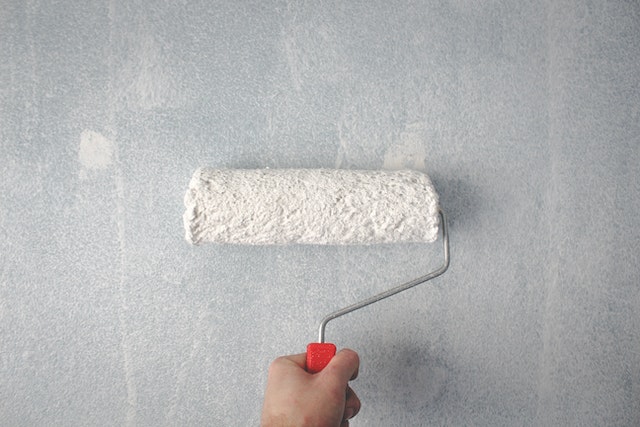
Satin finish is characterized by a low-luster, soft sheen that falls somewhere between a matte finish and a glossy finish. It is commonly used in interior design applications, such as on walls, trim, and furniture. Satin finishes are generally easy to clean and maintain, making them a popular choice for high-traffic areas such as kitchens and bathrooms. They also tend to hide surface imperfections, such as small scratches or dents, better than a high-gloss finish.
On the other hand, matte finish has a non-reflective, velvety surface that appears as a soft glow in natural light. It is often used in photography, art, and design, as it creates a sense of depth and texture without the distraction of glare or shine. Matte finishes are also popular in automotive and industrial applications, as they provide a non-slip surface that is resistant to scratches and fingerprints.
When it comes to deciding between satin or matte finish, it is important to consider the surface being finished. For example, if the surface is likely to be touched frequently or come into contact with moisture, such as a kitchen countertop or bathroom vanity, a satin finish would be a better choice as it is more durable and easier to clean. However, if the surface is meant to be viewed from a distance, such as a painting or photograph, a matte finish would provide a more refined and professional look.
Another factor to consider is the overall design aesthetic. Satin finishes tend to have a more contemporary feel, while matte finishes are often associated with a classic or vintage style. If the design scheme is more traditional or ornate, a matte finish may be a better fit. Conversely, if the design is sleek and modern, a satin finish would be more appropriate.
It is also important to consider the lighting in the room where the surface will be located. Satin finishes reflect more light than matte finishes, which can create a brighter, more vibrant atmosphere. However, in rooms with a lot of natural light or bright artificial lighting, a satin finish can be too reflective and create glare. In these cases, a matte finish would be a better choice, as it absorbs light and creates a more subtle, calming effect.
In terms of maintenance, both satin and matte finishes have their advantages and disadvantages. Satin finishes are generally easier to clean, as they can be wiped down with a damp cloth or sponge. However, they are more prone to showing water spots or streaks if not dried properly. Matte finishes require more gentle care, as they can be damaged by harsh chemicals or abrasive cleaning tools. However, they are less likely to show water spots or streaks, making them a good choice for surfaces that are frequently exposed to moisture.
In conclusion, there is no clear winner when it comes to choosing between a satin or matte finish. The decision ultimately comes down to personal preference, the intended use of the surface, and the overall design aesthetic. Both finishes have their advantages and disadvantages, and the best choice will depend on the specific needs of the user. It is important to consider all of these factors carefully before making a final decision.