Teflon is a brand name for a type of non-stick coating that is widely used in cookware, bakeware, and other household products. The chemical name for Teflon is polytetrafluoroethylene (PTFE), which is a synthetic polymer that is known for its non-stick properties, high heat resistance, and chemical inertness. Despite some concerns about the potential health and environmental effects of Teflon, it is still used in 2023, although some alternatives have become increasingly popular.
One of the main concerns about Teflon is the release of toxic fumes when it is heated to high temperatures. When Teflon is overheated or exposed to an open flame, it can release a toxic gas called perfluorooctanoic acid (PFOA), which has been linked to several health problems, including cancer and reproductive disorders. In response to these concerns, the use of PFOA in the production of Teflon was phased out in the United States in 2015, and most manufacturers now use a newer, safer type of non-stick coating that does not contain PFOA.
However, while the elimination of PFOA is a positive development, some experts argue that Teflon and other non-stick coatings may still pose health and environmental risks. For example, some studies suggest that when Teflon is heated to high temperatures, it can release other potentially harmful chemicals, such as perfluorooctanesulfonic acid (PFOS) and perfluorohexane sulfonate (PFHxS). These chemicals have been linked to a range of health problems, including developmental and reproductive disorders, and they can persist in the environment for many years.
In addition to health concerns, there are also environmental concerns associated with the production and disposal of Teflon. The manufacturing process for Teflon and other non-stick coatings can release pollutants into the air and water, and the disposal of non-stick cookware and other products can create waste that is difficult to recycle.
As a result of these concerns, some consumers and manufacturers have turned to alternative non-stick coatings and cookware materials. For example, ceramic non-stick coatings have become increasingly popular in recent years, as they are generally considered to be safer and more environmentally friendly than Teflon. Ceramic coatings are made from inorganic materials and are generally free from PFOA and other potentially harmful chemicals.
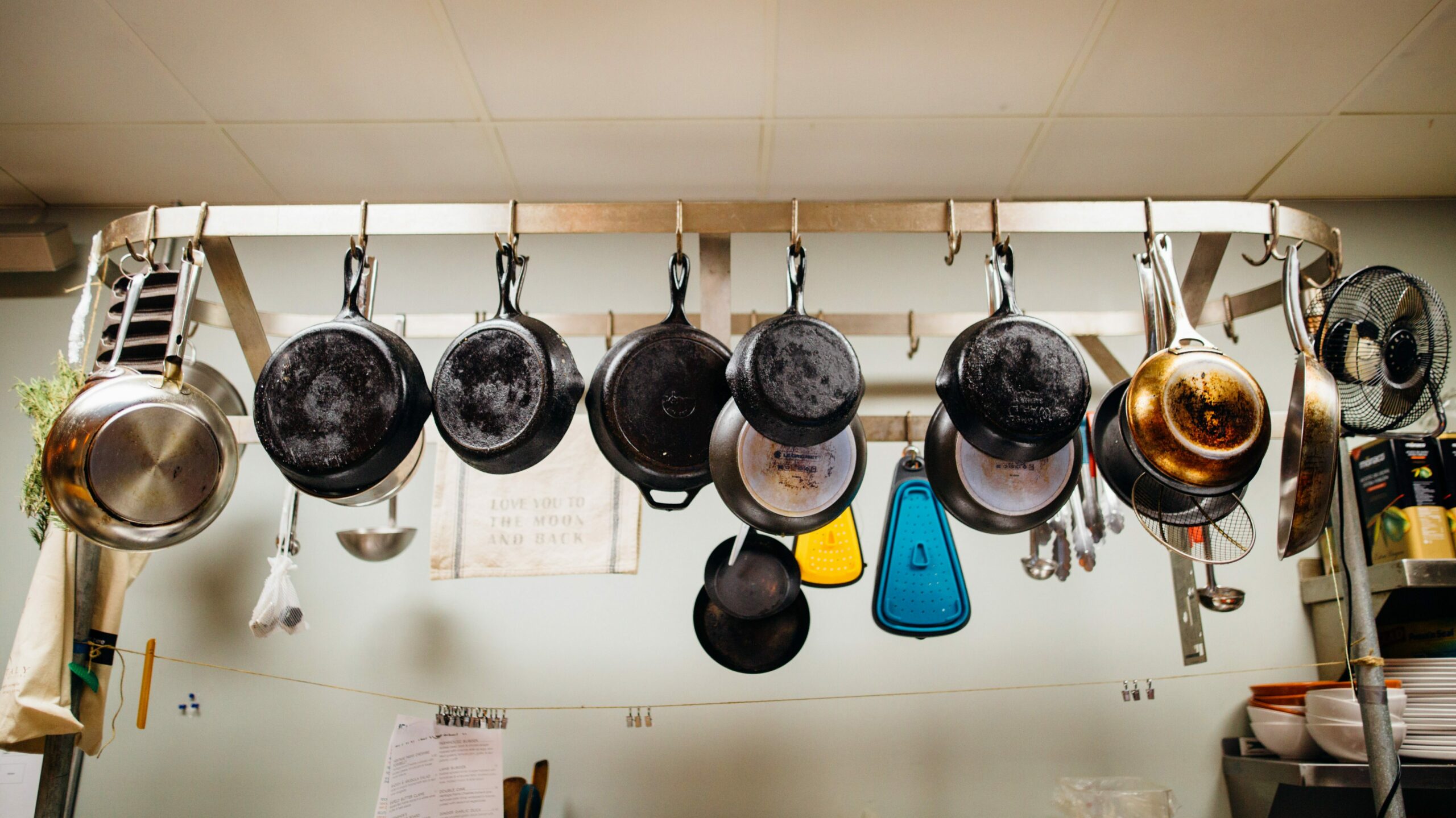
Another alternative to Teflon is cast iron cookware, which is known for its durability and versatility. Cast iron does not have a non-stick coating, but it can be seasoned with oil to create a natural non-stick surface. Stainless steel cookware is another option that is free from non-stick coatings, although it is not non-stick and can be more difficult to clean.
Despite the concerns about Teflon, it is still used in 2023, and many consumers continue to prefer non-stick cookware for its convenience and ease of use. However, the use of Teflon and other non-stick coatings is becoming increasingly controversial, and many experts recommend using alternative cookware materials whenever possible. Consumers who are concerned about the potential health and environmental effects of Teflon may want to consider switching to ceramic or cast iron cookware, or choosing stainless steel cookware that is free from non-stick coatings.
In conclusion, Teflon is still used in 2023, although some alternatives have become increasingly popular due to concerns about health and environmental risks. While the elimination of PFOA from Teflon is a positive development, some experts argue that Teflon and other non-stick coatings may still pose risks to human health and the environment. Consumers who are concerned about these issues may want to consider alternative