The Easter Bunny is a fictional character often associated with the celebration of Easter. Parents and caregivers may have different opinions on whether or not to present the Easter Bunny as a real or imaginary figure to their children. Here are some points to consider:
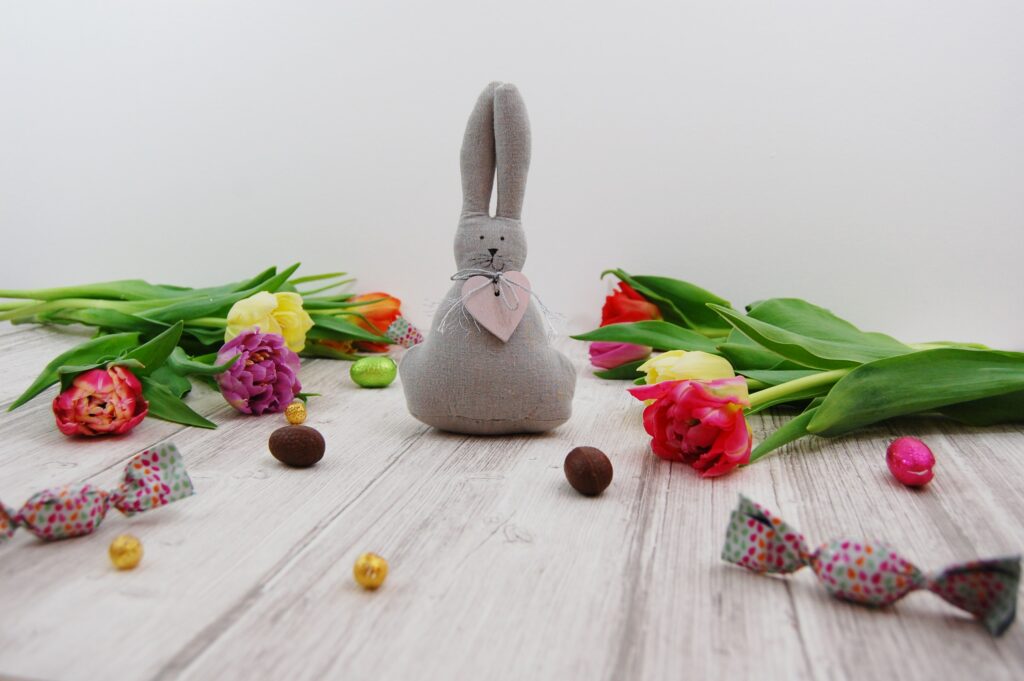
- Historical origins: The origins of the Easter Bunny can be traced back to pre-Christian pagan celebrations of spring and fertility, during which rabbits and hares were associated with new beginnings and the rebirth of nature. The tradition of the Easter Bunny as we know it today likely originated in Germany during the 17th century and was brought to the United States by German immigrants in the 18th century. As a fictional character, the Easter Bunny is not a real, living creature.
- Cultural traditions: In many Western cultures, the Easter Bunny has become a beloved symbol of Easter celebrations. Children often enjoy decorating Easter eggs and receiving Easter baskets filled with candy and small gifts, which are traditionally delivered by the Easter Bunny. While some families may choose to present the Easter Bunny as a real figure, others may view it as a fun and playful tradition without necessarily asserting its reality.
- Parental beliefs: Ultimately, the decision of whether or not to present the Easter Bunny as a real figure to children is up to individual parents and caregivers. Some may choose to present the Easter Bunny as a real figure to add to the excitement and magic of Easter, while others may choose to focus on the religious significance of the holiday or to downplay the role of the Easter Bunny altogether. It is important for parents to consider their own values and beliefs, as well as the beliefs and expectations of their community, when making decisions about how to present the Easter Bunny to their children.
- Honesty with children: Whatever decision parents make regarding the Easter Bunny, it is important to be honest and clear with children about the origins and significance of the holiday. If parents choose to present the Easter Bunny as a real figure, they should be prepared to answer questions from their children and to explain the cultural and historical context behind the tradition. If parents choose not to present the Easter Bunny as a real figure, they can still celebrate Easter with their children in other ways, such as attending religious services or engaging in other family traditions.
In summary, the Easter Bunny is a fictional character associated with Easter celebrations, and the decision of whether or not to present the Easter Bunny as a real figure to children is ultimately up to individual parents and caregivers. It is important to consider cultural traditions, personal beliefs, and honesty with children when making decisions about how to approach the Easter Bunny tradition.
Is the easter bunny real parents?