The moon has long been a source of fascination and inspiration for humanity, but is it worth anything in a more practical sense? The short answer is yes, the moon has value and potential for economic exploitation, but the extent of this value and the feasibility of its exploitation are still subject to debate.
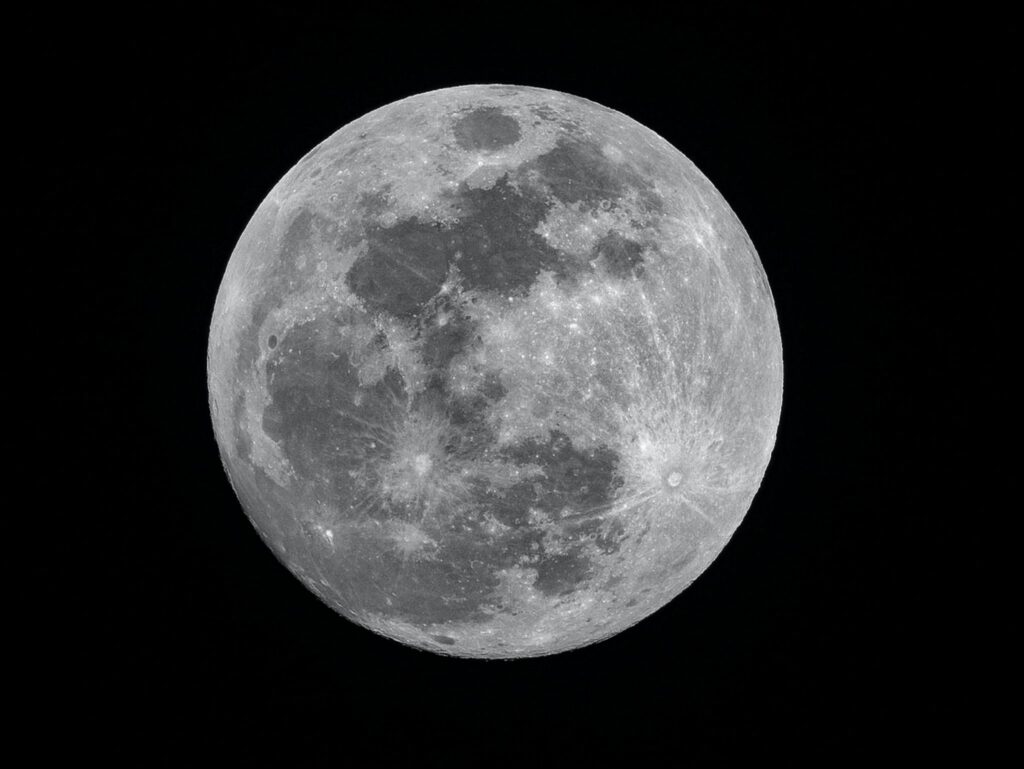
One potential source of value from the moon is its resources. The moon is rich in several elements and compounds that are valuable on Earth, including helium-3, a rare isotope that could potentially be used in nuclear fusion reactors to produce clean energy. Other valuable resources on the moon include rare metals such as titanium, gold, and platinum, as well as water, which could be used to sustain human life and support future space exploration missions.
The value of these resources is difficult to estimate, as it depends on a range of factors, such as the cost of extraction and transportation, market demand, and the availability of alternative sources on Earth. However, some experts believe that the value of the moon’s resources could be in the trillions of dollars.
Another potential source of value from the moon is its potential as a site for scientific research and exploration. The moon is a relatively close and accessible destination for human spaceflight, and its unique environment could provide valuable insights into the history and evolution of the solar system and the universe as a whole. For example, the moon’s surface contains geological features such as craters and lava tubes that could be explored and studied in detail, and its lack of atmosphere makes it an ideal location for astronomical observations.
However, the exploitation of the moon’s resources and potential for scientific research and exploration is subject to several challenges and limitations. One major challenge is the high cost and technical complexity of space exploration and resource extraction. The development of the necessary technology and infrastructure to extract and transport resources from the moon would require significant investment and collaboration from governments and private industry.
Furthermore, the exploitation of the moon’s resources and potential for scientific research and exploration raises several ethical and environmental concerns. Some argue that the moon should be preserved as a natural heritage site, free from commercial exploitation and human interference. Others raise concerns about the potential environmental impact of resource extraction and the potential consequences of mishandling or contaminating the moon’s delicate ecosystem.
In addition, the legal and regulatory framework for the exploitation of the moon is still in its early stages of development. The Outer Space Treaty of 1967, which has been ratified by over 100 countries, prohibits the use of weapons of mass destruction and the establishment of military bases on the moon and other celestial bodies. However, it is unclear how the treaty applies to commercial activities and resource extraction.
In conclusion, the moon has value and potential for economic exploitation, primarily through its resources and potential for scientific research and exploration. However, the extent of this value and the feasibility of its exploitation are still subject to debate, and are dependent on a range of factors, such as the cost of extraction and transportation, market demand, and the availability of alternative sources on Earth. The exploitation of the moon’s resources and potential for scientific research and exploration also raises several challenges and limitations, including technical, ethical, environmental, and legal concerns. Ultimately, the decision to exploit or preserve the moon’s resources and potential will require careful consideration and a balancing of competing interests and priorities.