While there is no known animal that naturally has only one leg, there are some that have adapted to living with only one functional leg. Here are a few examples:
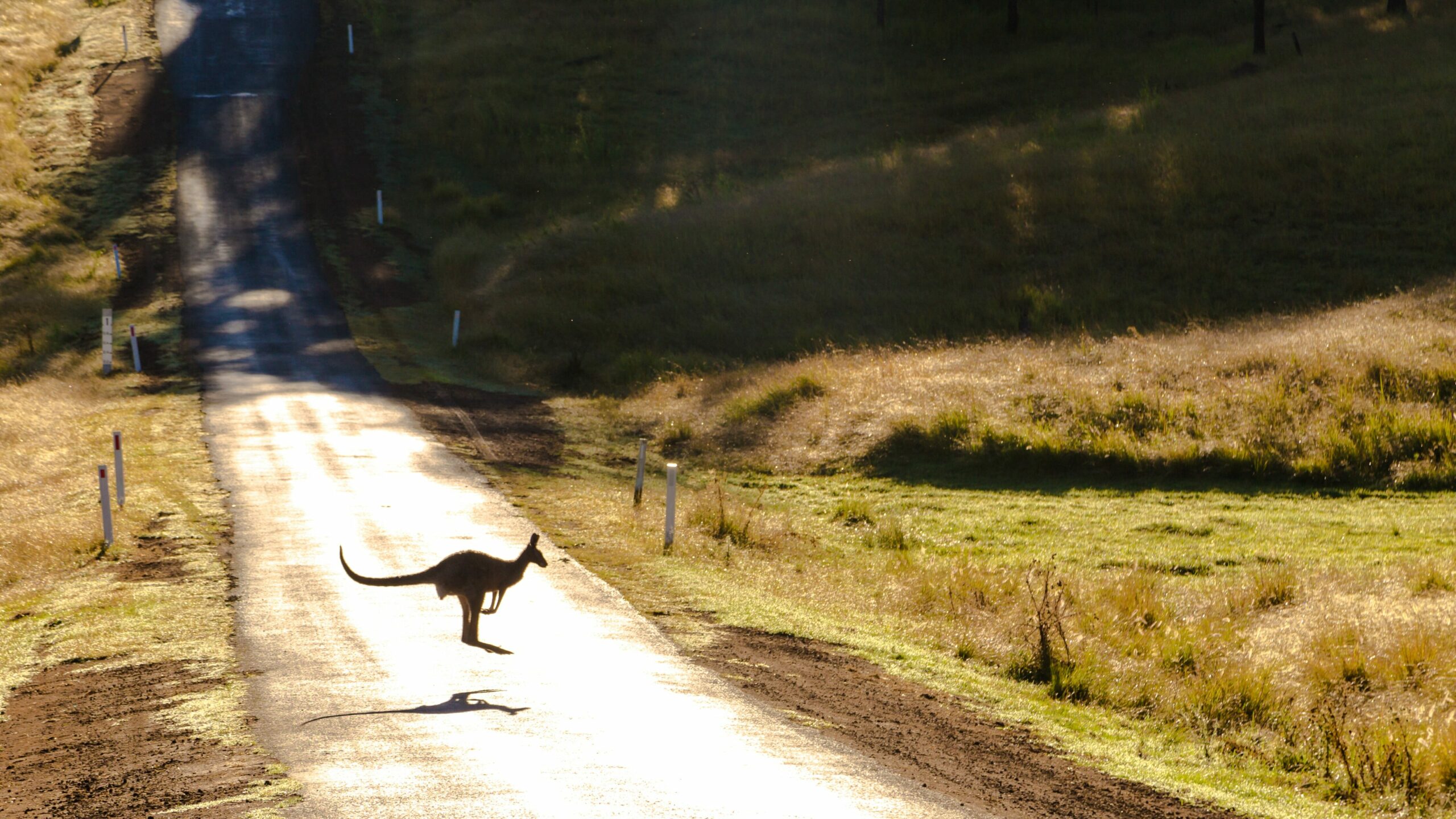
- Kangaroos: Kangaroos are known for their powerful hind legs that they use to hop around. However, if a kangaroo loses one of its legs due to injury or disease, it can still survive and even thrive with only one leg. In fact, kangaroos are known to use their tails to help balance and support their bodies while hopping with one leg.
- Flamingos: Flamingos are known for their long, slender legs that they use to wade in shallow water and feed on small aquatic creatures. However, if a flamingo loses a leg, it can still balance on one leg and continue to wade and feed. Flamingos are able to balance on one leg due to their unique anatomy, which allows them to lock their joints in place and conserve energy.
- Sea turtles: Sea turtles are known for their strong, paddle-like flippers that they use to swim through the ocean. However, if a sea turtle loses a flipper due to injury or disease, it can still swim and survive with only three flippers. Sea turtles are able to compensate for the missing flipper by adjusting the angle and speed of their remaining flippers.
- Crabs: Many species of crabs have the ability to regenerate lost limbs. If a crab loses a leg in a fight or to escape a predator, it will grow a new leg over time. However, during the regeneration process, the crab may be forced to adapt to living with fewer legs.
In conclusion, while there is no known animal that naturally has only one leg, there are some that have adapted to living with only one functional leg due to injury, disease, or other circumstances. These animals have unique adaptations that allow them to survive and even thrive with only one leg.
Is there an animal with only one leg?