In Islamic law, certain food and drinks are considered haram, which means they are prohibited and should not be consumed by Muslims. However, there is no concept of haram milk in Islam, as milk is considered halal, which means it is lawful and permissible to consume.
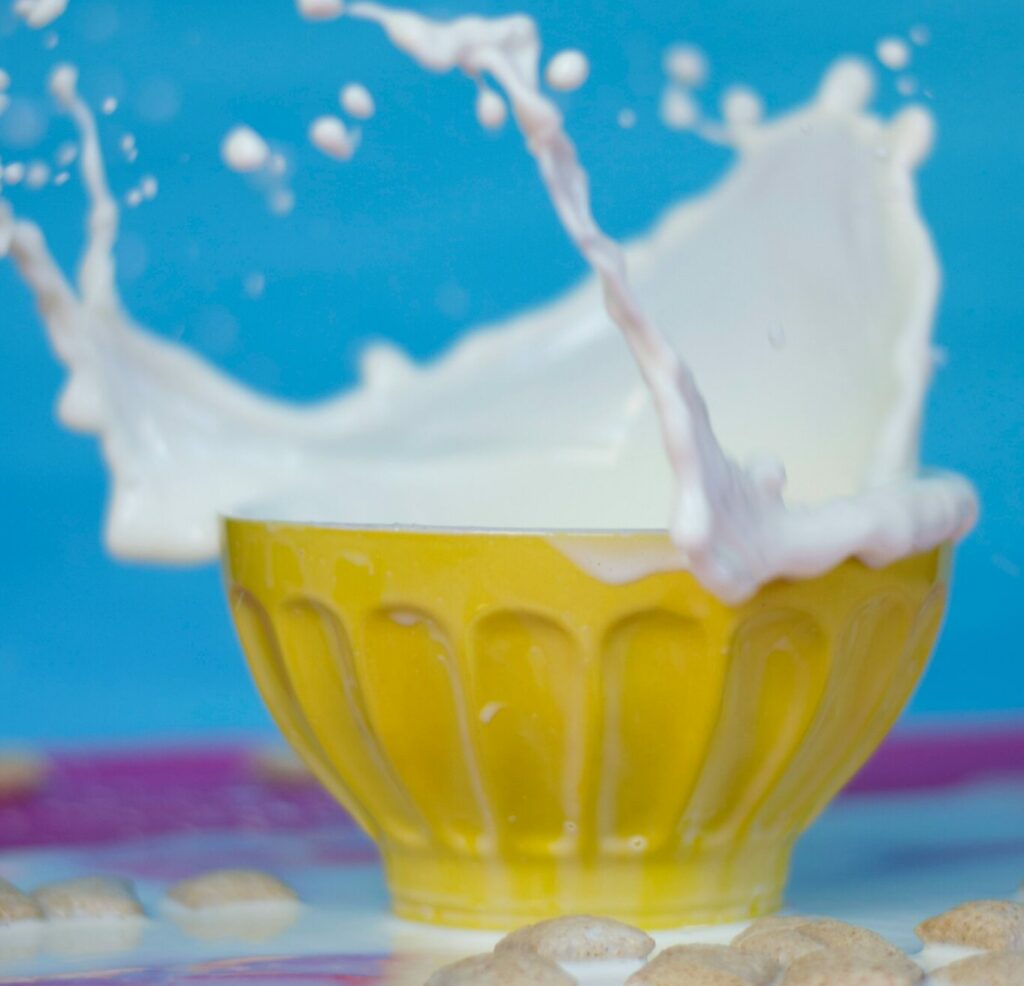
Milk is an important source of nutrition and has been consumed by humans for thousands of years. It is rich in vitamins, minerals, and other nutrients that are essential for the human body. In Islam, milk is considered pure and wholesome, and it is often mentioned in the Quran as a symbol of goodness and blessings. For example, in Surah Al-Nahl, Allah says, “And indeed, for you in livestock is a lesson. We give you drink from what is in their bellies – between excretion and blood – pure milk, palatable to drinkers.” (Quran 16:66)
Moreover, there are several Hadiths (narrations of the sayings and actions of the Prophet Muhammad) that emphasize the importance of milk and its benefits. For example, the Prophet Muhammad (peace be upon him) said, “Milk is the best drink for a human being.” (Ibn Majah)
Therefore, it is clear that milk is halal and there is no concept of haram milk in Islam. However, there are certain factors that can affect the halal status of milk, such as the way it is produced and processed.
One of the most important factors to consider is the source of the milk. In Islam, it is recommended to consume milk from animals that are halal, such as cows, goats, and sheep. Milk from animals that are haram, such as pigs, is not permissible to consume. Moreover, it is also important to ensure that the animals are raised and treated in a humane and ethical manner, as Islam emphasizes the importance of kindness and compassion towards animals.
Another factor to consider is the way the milk is produced and processed. It is important to ensure that the milk is obtained in a halal manner, which means that the animal is slaughtered according to Islamic guidelines. In addition, the milk should not be mixed with any haram substances, such as alcohol or non-halal enzymes.
Furthermore, there are certain additives and processing methods that can affect the halal status of milk. For example, if the milk is fortified with non-halal vitamins or minerals, it may not be considered halal. Similarly, if the milk is processed using non-halal methods or equipment, it may also be considered haram.
It is important for Muslims to be aware of these factors and to ensure that the milk they consume is halal. This can be done by reading the labels and ingredients of the milk products they purchase, and by choosing reputable and trustworthy brands.
In conclusion, there is no concept of haram milk in Islam, as milk is considered halal and permissible to consume. However, it is important to consider certain factors, such as the source of the milk, the way it is produced and processed, and any additives or processing methods that may affect its halal status. By being aware of these factors and making informed choices, Muslims can ensure that they consume only halal milk products.