Yeast overgrowth, often caused by an imbalance in the body’s natural flora, can lead to various health issues. Common symptoms include fatigue, digestive problems, and skin irritations. This guide provides practical approaches to manage and treat yeast overgrowth effectively.
Natural remedies focus on dietary changes, probiotics, and herbal supplements that can help restore balance in the body. These methods are generally safe and can be incorporated into daily routines.
Understanding Yeast Overgrowth
Yeast overgrowth can disrupt the body’s natural balance, leading to various health issues. Symptoms often include fatigue, digestive discomfort, and skin irritations. Recognizing these signs early can be beneficial in managing the condition effectively.
Many individuals seek natural remedies to restore balance. These approaches focus on dietary modifications, probiotics, and herbal supplements, which can be seamlessly integrated into daily routines. The goal is to support the body in regaining its equilibrium.
Effective Strategies for Managing Yeast Overgrowth
Implementing dietary changes is a foundational step in addressing yeast overgrowth. Reducing sugar and refined carbohydrates can significantly impact the body’s yeast levels. Instead, incorporating whole foods, particularly non-starchy vegetables and low-sugar fruits, can promote a healthier gut environment.
In addition to dietary adjustments, antifungal foods play a crucial role. Fresh garlic and coconut oil are excellent choices known for their antifungal properties. Including these in meals can help combat yeast overgrowth effectively.
The Power of Probiotics
Probiotics are essential for restoring gut flora balance. A high-quality probiotic supplement can support digestive health and enhance the body’s natural defenses against yeast overgrowth. Regular intake can lead to noticeable improvements over time.
Incorporating fermented foods, such as yogurt, into your diet can also provide beneficial bacteria. Pairing yogurt with low-sugar fruits like berries not only boosts flavor but also enhances the nutritional value of your meals.
Herbal Supplements and Their Benefits
Herbal remedies can complement dietary changes and probiotics. Consulting with a healthcare provider about options like oregano oil or berberine may provide additional antifungal support. These supplements can be a valuable addition to a comprehensive treatment plan.
It’s essential to approach herbal supplements with care, ensuring they align with personal health needs and conditions. Monitoring how the body responds to these additions can help in fine-tuning the treatment approach.
Staying Hydrated and Monitoring Progress
Staying hydrated is vital in flushing out toxins and supporting overall health. Drinking plenty of water can aid in the body’s natural detoxification processes, which is beneficial when addressing yeast overgrowth.
Keeping track of symptoms and dietary changes is crucial for understanding what works best. This monitoring can provide insights into effective strategies and help identify any necessary adjustments along the way.
Creating a Healthy Lifestyle
Adopting a holistic approach to health can significantly impact yeast overgrowth management. Emphasizing a diet rich in whole foods, regular hydration, and the inclusion of probiotics and antifungal foods can create a supportive environment for the body.
With a bright and inviting setting, such as a wooden table adorned with fresh vegetables, the journey toward a healthier lifestyle becomes more enjoyable. Embracing these natural remedies can lead to improved well-being and vitality.
Effective Strategies for Managing Yeast Overgrowth
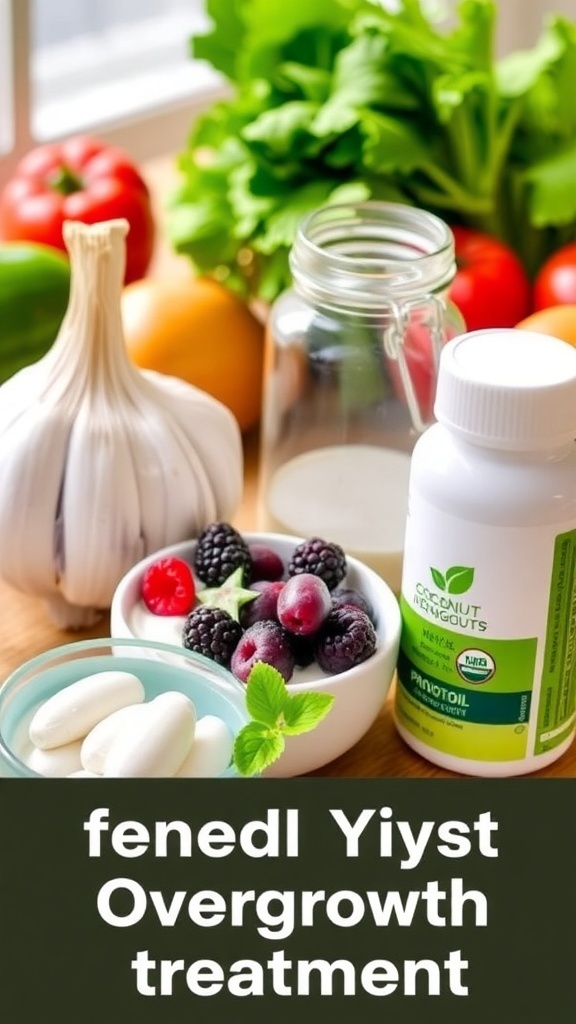
This treatment plan includes dietary adjustments such as reducing sugar and refined carbohydrates, incorporating antifungal foods, and taking probiotics to support gut health. The remedies can take several weeks to show results, and it’s important to consult with a healthcare professional for personalized advice.
Ingredients
- Low-sugar fruits (e.g., berries)
- Non-starchy vegetables (e.g., leafy greens, broccoli)
- Fermented foods (e.g., yogurt, sauerkraut, kimchi)
- Garlic (known for its antifungal properties)
- Coconut oil (contains caprylic acid, which can help fight yeast)
- Probiotic supplements (to restore gut flora)
- Herbal supplements (e.g., oregano oil, berberine)
Instructions
- Adjust Your Diet: Reduce or eliminate sugar and refined carbohydrates from your diet. Focus on whole foods, including vegetables, lean proteins, and healthy fats.
- Incorporate Antifungal Foods: Add garlic, coconut oil, and fermented foods to your meals to help combat yeast overgrowth.
- Take Probiotics: Consider taking a high-quality probiotic supplement daily to help restore the balance of good bacteria in your gut.
- Use Herbal Remedies: If desired, consult with a healthcare provider about using herbal supplements like oregano oil or berberine, which may have antifungal effects.
- Stay Hydrated: Drink plenty of water to help flush out toxins and support overall health.
- Monitor Symptoms: Keep track of your symptoms and dietary changes to identify what works best for you.
Cook and Prep Times
- Prep Time: Varies based on dietary changes
- Total Time: Ongoing treatment over several weeks
- Servings: Ongoing treatment
- Calories: Varies based on food choices
- Fat: Varies based on dietary fats
- Protein: Varies based on protein sources
- Carbohydrates: Varies based on food choices