Cans are a ubiquitous packaging solution for a wide variety of food and beverage products, and they are popular for many reasons. One of the main advantages of cans is that they provide a sealed container that can keep the contents fresh and free from contamination until the moment they are opened. However, one common experience when opening cans is the popping sound that often accompanies the process. In this answer, I will discuss why cans pop when opened and whether or not it is a cause for concern.
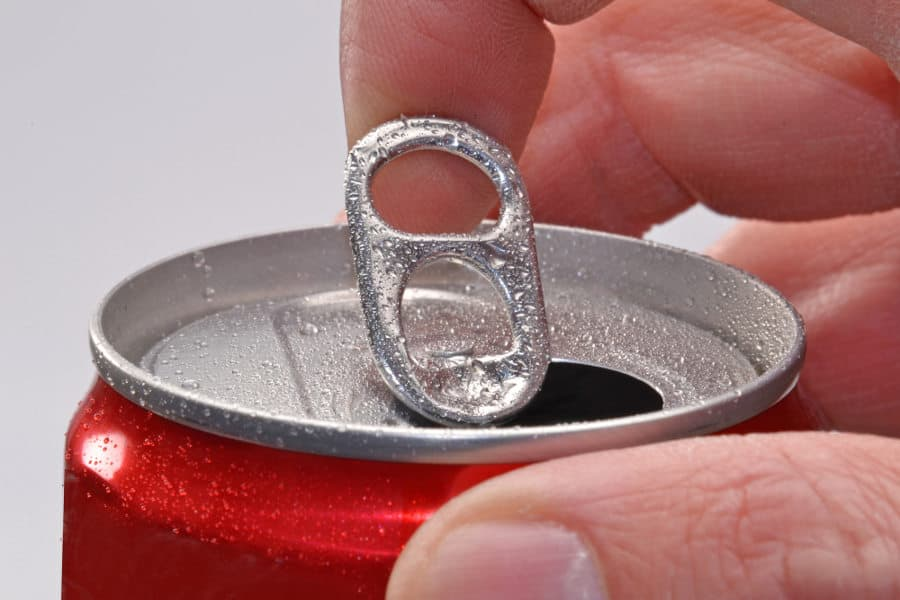
The popping sound that often accompanies the opening of a can is the result of a sudden release of pressure that builds up inside the can. This pressure is typically caused by gases that are produced by the contents of the can, such as carbon dioxide in carbonated beverages or steam in canned vegetables. When a can is sealed, the gases are trapped inside and continue to build up until the pressure reaches a certain threshold. Once the can is opened, the sudden release of pressure causes the popping sound that is often heard.
While the popping sound can be alarming, it is not necessarily a cause for concern. In fact, it is an indication that the can has been properly sealed and that the contents are fresh. When a can is properly sealed, the pressure inside the can will continue to build up over time as gases are produced by the contents. If the pressure did not build up inside the can, it would be an indication that the can was not properly sealed and that air and bacteria may have entered, potentially spoiling the contents.
However, there are some situations in which a popping can may be a cause for concern. If the can has been damaged or is past its expiration date, the pressure inside the can may have built up to dangerous levels. In some cases, this can cause the can to burst open with enough force to injure someone nearby. To avoid this risk, it is important to inspect cans before opening them and to discard any that appear to be damaged or expired.
Another potential concern with cans that pop is that they may be contaminated with harmful bacteria. If the can has been improperly sealed or has been damaged, air and bacteria may have entered the can and contaminated the contents. While the popping sound is an indication that the can has been properly sealed, it does not guarantee that the contents are free from contamination. To minimize this risk, it is important to store cans properly and to follow any instructions on the label regarding storage and handling.
In addition to the potential risks associated with popping cans, there are also some practical considerations to keep in mind. For example, the popping sound can be loud and startling, especially if you are not expecting it. This can be particularly problematic in quiet environments, such as a movie theater or library, where the sudden noise can be disruptive. Additionally, if you are opening cans in a crowded or confined space, the sudden release of pressure can cause liquids to spray out of the can, potentially creating a mess or injuring someone nearby.
To avoid these issues, there are a few things you can do when opening cans. First, always inspect cans before opening them to ensure that they are not damaged or expired. If a can appears to be damaged or swollen, it is best to discard it rather than risk injury or contamination. Additionally, you may want to open cans slowly and over a sink or other contained area to minimize the risk of splashing or spraying. Finally, if you are in a quiet or crowded space, you may want to warn those around you before opening a can to avoid startling or spraying anyone nearby.
In conclusion, cans can pop when opened due to the pressure that builds up inside them from gases produced by the contents. While the popping sound is typically not a cause for concern, there are some situations in which it may indicate that the can is damaged or contaminated. To avoid these risks,