Whether or not you should stop eating oatmeal depends on several factors, including your health status, dietary preferences, and overall nutritional needs. Oatmeal is a popular breakfast food that is made from rolled or ground oats, and it is often touted for its health benefits. However, there are some circumstances under which you may want to consider cutting back on or eliminating oatmeal from your diet.
One reason you might consider cutting back on oatmeal is if you have a sensitivity or allergy to gluten. While oatmeal itself is naturally gluten-free, it is often processed in facilities that also handle wheat, barley, and rye, which are all gluten-containing grains. As a result, many brands of oatmeal may be contaminated with gluten, which can trigger symptoms in people with celiac disease or non-celiac gluten sensitivity. If you suspect that you may have a gluten sensitivity or allergy, you may want to consider switching to certified gluten-free oatmeal or avoiding oatmeal altogether.
Another reason you might consider cutting back on oatmeal is if you are following a low-carbohydrate or ketogenic diet. Oatmeal is a carbohydrate-rich food that contains complex carbohydrates, fiber, and some simple sugars. While these carbohydrates can provide energy and satiety for some people, they may not be well-suited to a low-carbohydrate or ketogenic diet, which emphasizes the consumption of healthy fats and protein instead. If you are following a low-carbohydrate or ketogenic diet, you may want to consider replacing oatmeal with other low-carbohydrate breakfast foods, such as eggs, bacon, or avocado.
However, for most people, oatmeal can be a healthy and nutritious part of a balanced diet. Oatmeal is rich in fiber, which can help regulate blood sugar levels, promote satiety, and improve digestive health. It also contains a variety of vitamins and minerals, including thiamin, magnesium, phosphorus, and zinc. Additionally, oatmeal is low in fat and calories, which makes it a great option for weight management.
One way to maximize the health benefits of oatmeal is to choose unprocessed or minimally processed varieties, such as steel-cut oats or old-fashioned oats. These types of oats have a lower glycemic index than instant oats or pre-packaged oatmeal, which means they are absorbed more slowly by the body and provide longer-lasting energy. Additionally, unprocessed or minimally processed oats are often less likely to be contaminated with gluten than more heavily processed varieties.
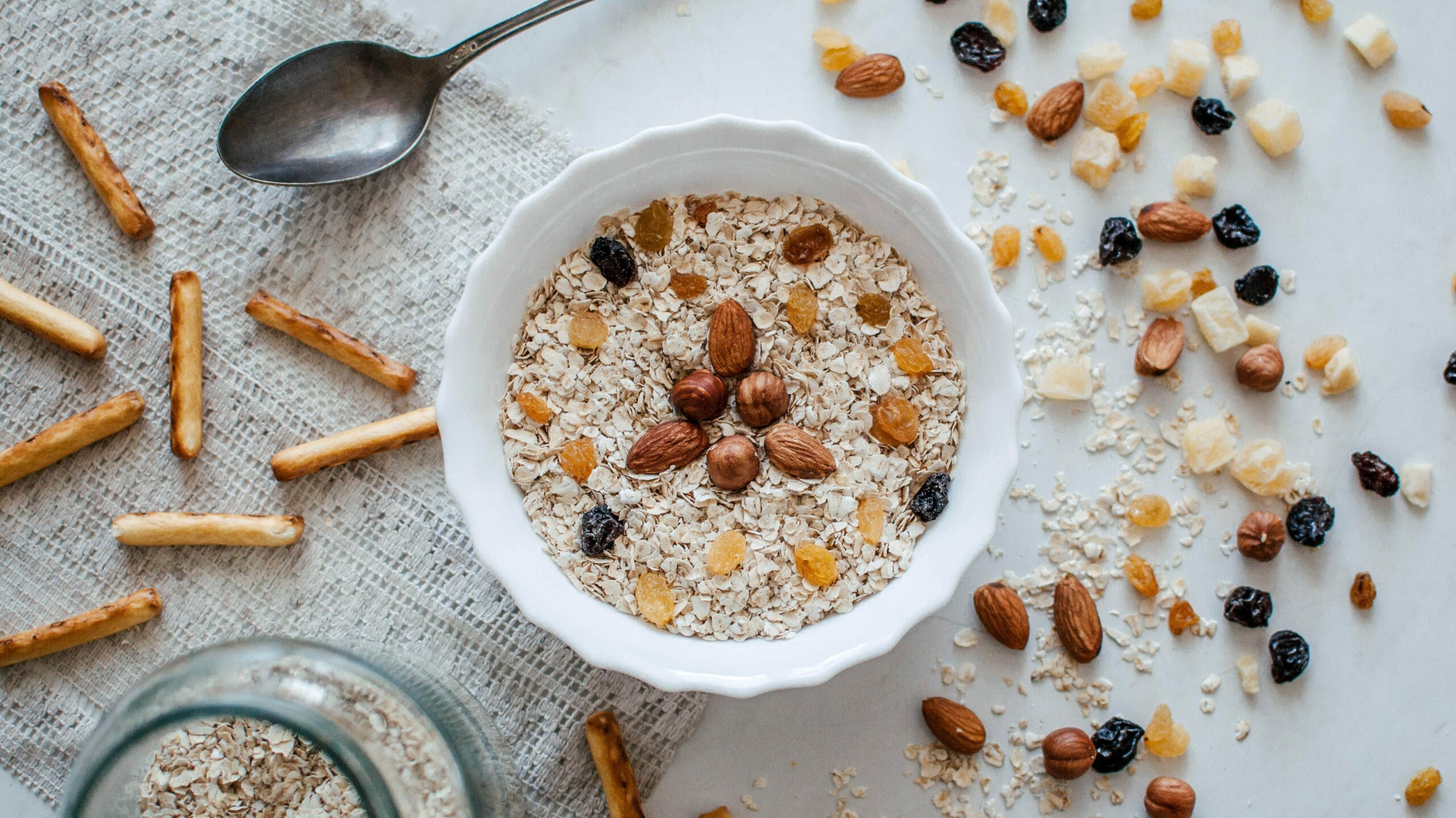
It’s also important to consider the way you prepare your oatmeal. Adding excessive amounts of sugar or high-calorie toppings, such as butter, cream, or syrup, can significantly increase the calorie and fat content of your breakfast. Instead, try sweetening your oatmeal with fresh or frozen fruit, cinnamon, or honey, which can add flavor without adding excessive calories.
In conclusion, whether or not you should stop eating oatmeal depends on your individual health needs and dietary preferences. While oatmeal can be a healthy and nutritious part of a balanced diet for most people, those with gluten sensitivities or those following a low-carbohydrate or ketogenic diet may want to consider cutting back or eliminating oatmeal from their diet. For the majority of people, choosing unprocessed or minimally processed oats and preparing oatmeal with healthy, low-calorie toppings can maximize the health benefits of this popular breakfast food.