Ducks are known for their distinctive quacking sounds, which serve various purposes in their communication. Understanding these sounds can provide insights into their behavior and emotional state.
Ducks use quacking to signal alarm, attract mates, or communicate with their young. Each quack can convey different messages depending on the context.
The Essence of Duck Communication
Ducks are fascinating creatures, known for their unique vocalizations that play a crucial role in their interactions. Among these sounds, the quack stands out as the most recognizable, serving multiple functions in their social behavior.
Understanding the nuances of duck quacks can shed light on their emotional states and social dynamics. Each quack can convey a specific message, whether it’s a call for attention, a warning signal, or an expression of contentment.
The Significance of Duck Quacks
The quack is not just a simple sound; it is a complex form of communication. The tone, pitch, and frequency of a duck’s quack can indicate various emotions or situations. For instance, a loud quack may signal distress, while a softer tone might suggest relaxation.
Female ducks are particularly known for their quacking, using it to communicate with their ducklings or to attract mates. This vocalization is essential for maintaining social bonds within their groups.
Types of Duck Sounds
Ducks produce a variety of sounds beyond the familiar quack. Each sound serves a different purpose in their communication repertoire.
For example, male ducks often emit a softer whistle during courtship, which is distinct from the raspy quack of females. Additionally, a low grunt can indicate a state of contentment, showcasing the range of emotions these birds can express.
The Role of Environment in Duck Behavior
The serene environment surrounding ducks, such as a tranquil pond, plays a significant role in their behavior. The lush greenery and gentle ripples of water create a peaceful habitat that influences their vocalizations.
In such settings, ducks may feel more at ease, leading to more frequent and varied sounds. The calmness of their surroundings can encourage social interactions and communication among them.
Observing Ducks in Their Natural Habitat
Watching ducks in their natural habitat can be a rewarding experience. Their interactions, vocalizations, and behaviors provide a glimpse into their social structures.
By observing a duck quacking by a pond, one can appreciate the beauty of nature and the intricate ways these birds communicate. The combination of sound and scenery creates a harmonious experience that highlights the importance of preserving such environments.
Conclusion: The Beauty of Duck Sounds
The sounds of ducks, particularly their quacks, are more than just noise; they are a vital part of their existence. Understanding these vocalizations enriches our appreciation for these creatures and their interactions.
Whether it’s the quack of a female duck or the gentle whistle of a male, each sound contributes to the vibrant tapestry of life in and around a serene pond.
The Significance of Duck Quacks
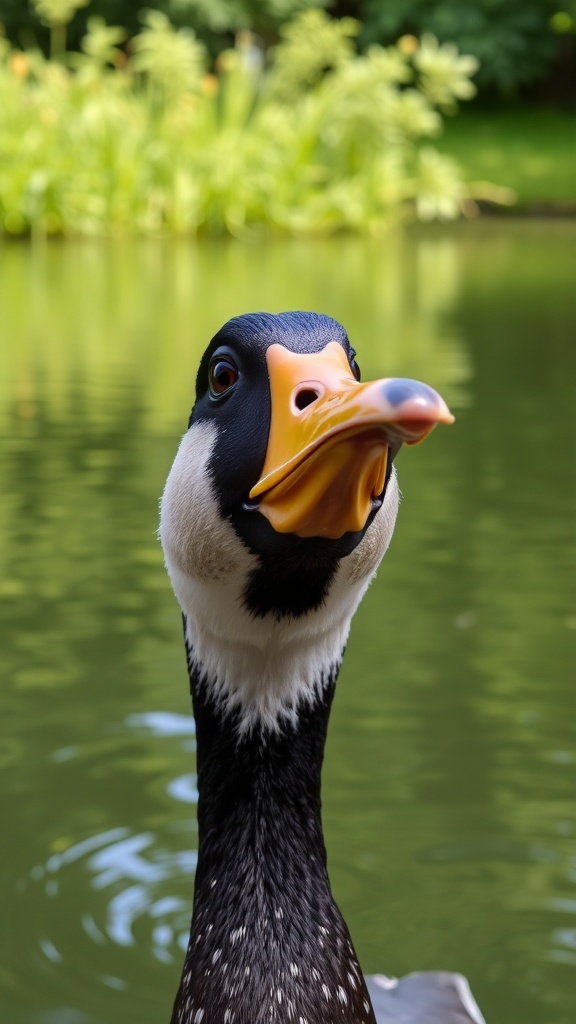
Ducks produce a range of vocalizations, with the quack being the most recognized. The tone, pitch, and frequency of the quack can indicate different emotions or situations, such as distress or contentment.
Ingredients
Related
- Understanding Duck Quacking Behavior
- Duck Therapy: Understanding Avian Behavior
- Duck Quack Recipe
- Understanding Bread Mold: A Diagram for Class 8