Yeast is a crucial ingredient in baking and brewing, responsible for fermentation and leavening. This guide provides essential information about yeast, its types, and how to use it effectively in your recipes.
Whether you’re making bread, beer, or other fermented products, knowing how to work with yeast can greatly enhance your culinary creations.
Basic Information About Yeast
Yeast plays a vital role in the baking process, acting as a leavening agent that helps dough rise. This single-celled fungus ferments sugars, producing carbon dioxide and alcohol, which contribute to the texture and flavor of baked goods.
There are several types of yeast available, each with its own characteristics. Active dry yeast, instant yeast, and fresh yeast are the most common varieties used in home baking. Understanding the differences between these types can help you choose the right one for your recipe.
Types of Yeast
Active dry yeast is perhaps the most familiar type. It consists of dehydrated granules that need to be activated before use. This activation typically involves dissolving the yeast in warm water with a bit of sugar, allowing it to become frothy and ready to work its magic.
Instant yeast, on the other hand, can be mixed directly with dry ingredients without prior activation. It is more potent than active dry yeast and can lead to quicker rise times, making it a favorite among many bakers.
Fresh yeast, also known as cake yeast, is a moist and perishable form of yeast. It has a shorter shelf life but offers a robust flavor and is often preferred by professional bakers for its reliability.
Choosing the Right Yeast
Selecting the appropriate yeast for your recipe is essential. Consider the desired rise and flavor profile when making your choice. For recipes that require a longer fermentation time, fresh yeast may be ideal, while instant yeast is perfect for quick breads.
Active dry yeast is versatile and works well in most baking applications. Always check the expiration date on the package to ensure optimal performance, regardless of the type you choose.
Activating Yeast
When using active dry yeast, activation is a crucial step. Begin by combining the yeast with warm water and a small amount of sugar. Allow the mixture to sit for about 5 to 10 minutes until it becomes frothy. This indicates that the yeast is alive and ready to be incorporated into your dough.
For instant yeast, no activation is necessary. Simply mix it with your dry ingredients and proceed with the recipe as directed. This convenience makes instant yeast a popular choice for many home bakers.
Mixing and Kneading Dough
Once your yeast is activated, combine it with flour, water, and any additional ingredients specified in your recipe. The mixing process is vital for ensuring that the yeast is evenly distributed throughout the dough.
Kneading the dough is equally important, as it develops the gluten structure, allowing the dough to rise properly. Knead until the dough is smooth and elastic, which typically takes about 8 to 10 minutes.
Allowing the Dough to Rise
After kneading, place the dough in a warm environment to rise. Cover it with a damp cloth or plastic wrap to prevent it from drying out. The dough should double in size within 1 to 2 hours, depending on the yeast type and ambient temperature.
Once the dough has risen, it is ready to be shaped and baked according to your recipe instructions. The transformation from a simple mixture of ingredients to a beautifully risen loaf is a rewarding part of the baking process.
Basic Information About Yeast
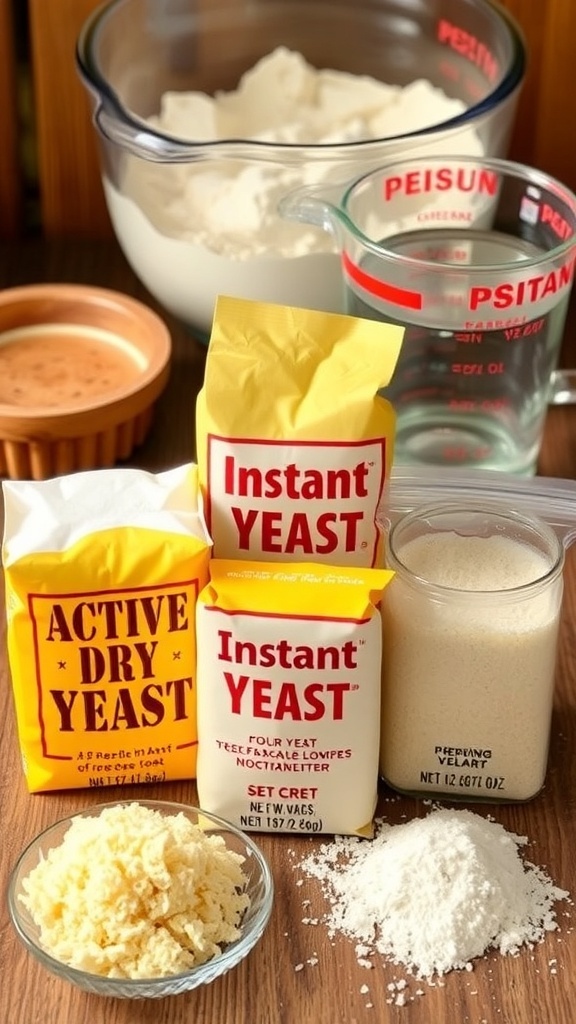
Yeast is a single-celled fungus that converts sugars into alcohol and carbon dioxide through fermentation. There are various types of yeast, including active dry yeast, instant yeast, and fresh yeast, each with unique characteristics and uses.
Ingredients
- Active Dry Yeast
- Instant Yeast
- Fresh Yeast
- Sugar (for activation)
- Warm Water (for dissolving yeast)
- Flour (for baking applications)
Instructions
- Choose Your Yeast: Select the appropriate type of yeast for your recipe, considering the desired rise and flavor.
- Activate Dry Yeast: If using active dry yeast, dissolve it in warm water with a bit of sugar and let it sit until frothy (about 5-10 minutes).
- Mix Ingredients: Combine the activated yeast with flour, water, and other ingredients as per your recipe.
- Knead the Dough: Knead the mixture until smooth and elastic, allowing the yeast to develop.
- Let It Rise: Allow the dough to rise in a warm place until it doubles in size, usually 1-2 hours.
- Bake: Shape the dough as desired and bake according to your recipe instructions.
Cook and Prep Times
- Prep Time: 10 minutes
- Rise Time: 1-2 hours
- Total Time: 1-2 hours and 10 minutes
- Servings: Varies based on recipe
- Calories: Varies based on ingredients used
- Fat: Varies based on recipe
- Protein: Varies based on recipe
- Carbohydrates: Varies based on recipe