Yeast acne, also known as fungal acne, is a skin condition caused by an overgrowth of yeast on the skin, particularly the Malassezia yeast. This condition can lead to breakouts that resemble traditional acne but often require different treatment approaches.
Recognizing the symptoms and understanding the underlying causes is essential for effective management. Yeast acne is commonly triggered by factors such as humidity, excessive oil production, and the use of certain skincare products.
Understanding Yeast Acne
Yeast acne, often referred to as fungal acne, arises from an overgrowth of yeast on the skin, particularly the Malassezia species. This condition can lead to breakouts that may closely resemble traditional acne, yet they require distinct treatment strategies.
Recognizing the symptoms is vital for effective management. Yeast acne is frequently triggered by factors such as high humidity, excessive oil production, and the use of certain skincare products that may disrupt the skin’s natural balance.
Yeast Acne Overview
This skin condition typically manifests as small, itchy, and inflamed bumps, commonly found on the face, chest, and back. Unlike traditional acne, yeast acne may not respond to standard acne treatments, making it essential to identify the appropriate approach for relief.
Understanding the differences between yeast acne and other forms of acne can aid in selecting the right treatment. The bumps associated with yeast acne are often more uniform in size and can be itchy, which is a distinguishing characteristic.
Symptoms and Diagnosis
Identifying the symptoms of yeast acne is the first step toward effective treatment. Look for small, itchy bumps that do not respond to typical acne treatments. These bumps may appear in clusters and can be mistaken for regular acne.
Consulting a dermatologist is crucial for confirming the diagnosis. A professional can provide insights into the condition and discuss suitable treatment options tailored to individual needs.
Treatment Options
Effective treatment for yeast acne often involves antifungal creams or gels, which help reduce yeast overgrowth on the skin. These treatments should be applied as directed by a dermatologist for optimal results.
Incorporating salicylic acid cleansers can also be beneficial, as they help unclog pores and reduce inflammation. While benzoyl peroxide is commonly used for traditional acne, it may not directly target yeast but can still assist in managing overall skin health.
Natural Remedies and Skin Care Routine
Natural remedies like tea tree oil and probiotics may help balance skin flora and lower yeast levels. These options can be integrated into a skincare routine to support healing.
Maintaining a clean skincare routine is essential. Regularly washing the face and avoiding heavy, oily products can prevent exacerbation of the condition. Staying hydrated and consuming a balanced diet rich in vitamins and minerals will further support skin health.
Conclusion
Understanding yeast acne and its treatment options is key to achieving clearer skin. By recognizing symptoms, consulting professionals, and adopting appropriate skincare practices, individuals can effectively manage this condition.
Yeast Acne Overview
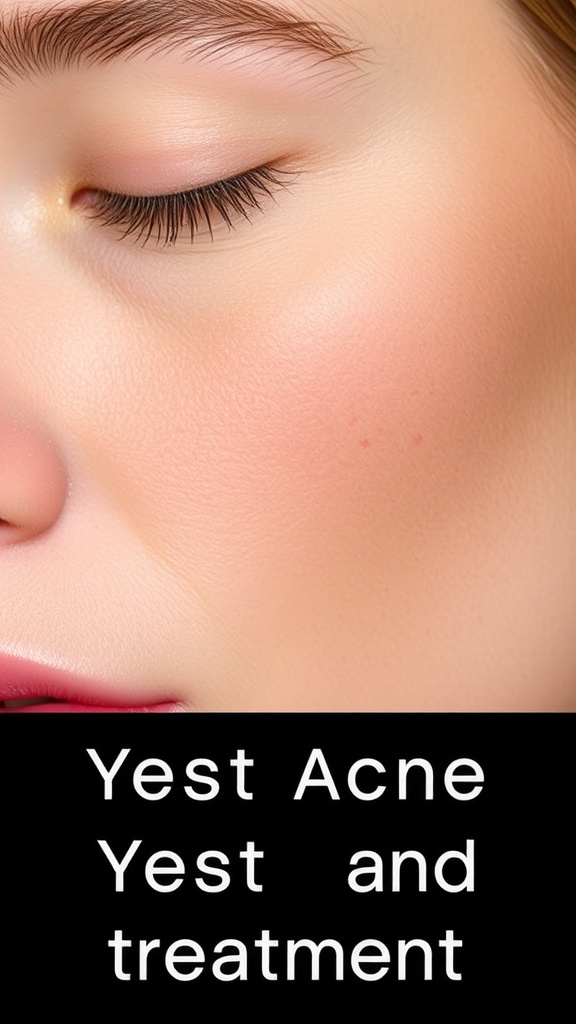
Yeast acne typically presents as small, itchy, and inflamed bumps on the skin, often on the face, chest, and back. Unlike traditional acne, it may not respond to typical acne treatments, making it crucial to identify the right approach for relief.
Ingredients
- Antifungal creams or gels
- Salicylic acid cleansers
- Benzoyl peroxide
- Tea tree oil
- Zinc pyrithione shampoo
- Probiotics
Instructions
- Identify Symptoms: Look for small, itchy bumps that may resemble traditional acne but do not respond to typical treatments.
- Consult a Dermatologist: Seek professional advice to confirm the diagnosis and discuss appropriate treatment options.
- Use Antifungal Treatments: Apply antifungal creams or gels as directed by your dermatologist to reduce yeast overgrowth.
- Incorporate Salicylic Acid: Use cleansers containing salicylic acid to help unclog pores and reduce inflammation.
- Consider Benzoyl Peroxide: This ingredient can help kill bacteria and reduce inflammation, although it may not target yeast directly.
- Try Natural Remedies: Tea tree oil and probiotics may help balance skin flora and reduce yeast levels.
- Maintain a Clean Routine: Regularly wash your face and avoid heavy, oily products that can exacerbate the condition.
Cook and Prep Times
- Consultation Time: 30 minutes
- Treatment Duration: Varies based on individual response
- Hydration: Drink plenty of water to maintain skin health.
- Diet: Consider a balanced diet rich in vitamins and minerals to support skin health.