Yeast fungi are single-celled microorganisms that play a crucial role in various fermentation processes. They are commonly used in baking, brewing, and winemaking, contributing to the rise of dough and the production of alcohol.
This article provides an overview of different types of yeast fungi, their characteristics, and their applications in food and beverage industries.
Understanding Yeast Fungi
Yeast fungi are fascinating microorganisms that play a significant role in various fermentation processes.
They are single-celled organisms, primarily belonging to the Saccharomyces genus, and are essential in baking, brewing, and winemaking.
These tiny fungi are responsible for converting sugars into carbon dioxide and alcohol, which is crucial for the rise of dough and the production of beverages.
Types of Yeast Fungi
Among the different types of yeast fungi, Saccharomyces cerevisiae stands out as the most commonly used species.
This particular yeast is widely recognized for its effectiveness in baking and brewing, making it a staple in kitchens and breweries worldwide.
Other notable types include Candida, Kluyveromyces, and Pichia, each possessing unique properties that lend themselves to specific applications in food and beverage production.
The Cellular Structure of Yeast
When viewed under a microscope, yeast cells reveal a remarkable cellular structure.
They typically exhibit round and oval shapes, showcasing their single-celled nature.
The budding process, where new cells form from the parent cell, can often be observed, highlighting the dynamic life cycle of these microorganisms.
The Budding Process
The budding process is a fascinating aspect of yeast reproduction.
During this process, a small bud forms on the parent cell, gradually growing until it detaches to become an independent yeast cell.
This method of asexual reproduction allows yeast populations to expand rapidly, especially in environments rich in sugars.
Applications in Food and Beverage Industries
Yeast fungi are indispensable in the food and beverage industries.
In baking, they are responsible for leavening bread, creating a light and airy texture.
In brewing and winemaking, yeast converts sugars into alcohol, producing a variety of beverages enjoyed worldwide.
Scientific Exploration of Yeast
The study of yeast fungi offers valuable insights into microbial life and fermentation processes.
Microscopic examinations reveal the intricate details of yeast cells, enhancing our understanding of their biology and applications.
This scientific exploration not only contributes to academic knowledge but also informs practical applications in various industries.
Types of Yeast Fungi
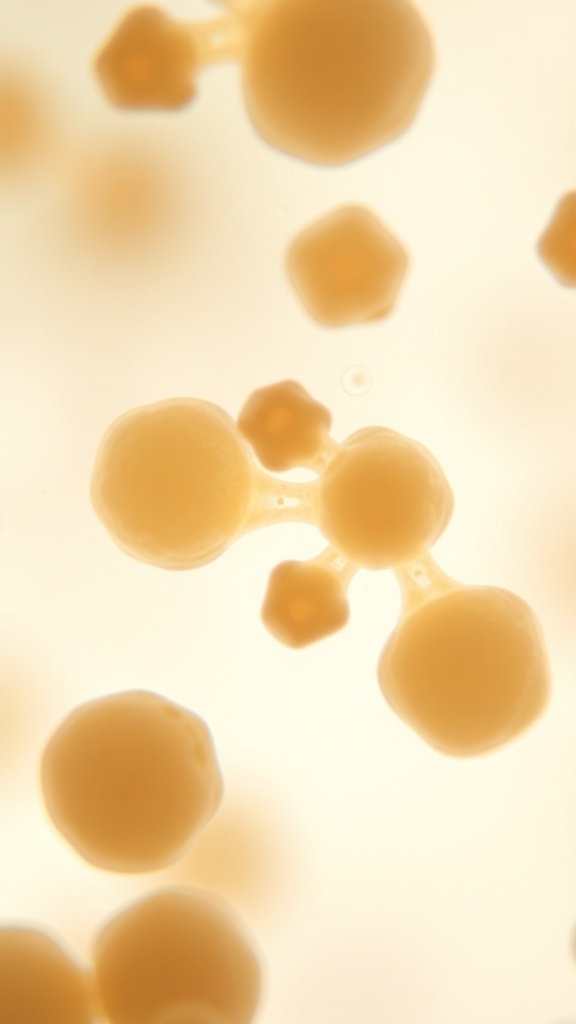
Yeast fungi, primarily belonging to the Saccharomyces genus, are essential for converting sugars into carbon dioxide and alcohol. They are widely used in baking and brewing, with Saccharomyces cerevisiae being the most common species. Other types include Candida, Kluyveromyces, and Pichia, each with unique properties and applications.
Ingredients
Instructions
Cook and Prep Times
- Prep Time: N/A
- Cook Time: N/A
- Total Time: N/A
- Servings: N/A
- Calories: N/A
- Fat: N/A
- Protein: N/A
- Carbohydrates: N/A