Yeast infections are common fungal infections caused primarily by an overgrowth of Candida, a type of yeast that naturally resides in the body. Various factors can contribute to this overgrowth, leading to uncomfortable symptoms.
Identifying the causes of yeast infections can help in prevention and management. Factors such as antibiotics, hormonal changes, and certain health conditions play a significant role in the development of these infections.
Understanding Yeast Infections
Yeast infections are common fungal infections primarily caused by an overgrowth of Candida, a type of yeast that naturally resides in the body.
Various factors can lead to this overgrowth, resulting in uncomfortable symptoms that many experience at some point in their lives.
Recognizing the causes of yeast infections is essential for effective prevention and management. Factors such as antibiotics, hormonal changes, and certain health conditions significantly contribute to the development of these infections.
Common Causes of Yeast Infections
Yeast infections can be triggered by several factors.
One major contributor is the use of antibiotics, which disrupts the natural balance of bacteria in the body.
This imbalance can allow yeast to flourish, leading to infection.
Hormonal fluctuations, particularly during menstruation, pregnancy, or due to birth control methods, can also create an environment conducive to yeast overgrowth.
Additionally, underlying health conditions such as diabetes or a weakened immune system play a significant role in susceptibility to these infections.
Additional Contributing Factors
Several other factors can increase the risk of developing yeast infections.
High sugar diets are particularly problematic, as yeast thrives on sugar.
Limiting sugar intake can be a proactive step in prevention.
Moist environments, such as those created by tight clothing or prolonged exposure to water (like swimming), can also promote yeast growth.
Certain medications, including corticosteroids and chemotherapy drugs, may weaken the immune response, further increasing the risk.
Prevention Tips
Preventing yeast infections involves a combination of lifestyle adjustments and awareness of personal health.
Maintaining a balanced diet low in sugar is crucial for overall health and can help keep yeast levels in check.
Wearing breathable, cotton underwear and avoiding tight-fitting clothing can reduce moisture buildup, creating a less favorable environment for yeast.
Practicing good hygiene and limiting antibiotic use when possible are also effective strategies.
Managing Underlying Health Conditions
For those with underlying health conditions, such as diabetes, effective management is key.
Keeping blood sugar levels stable can significantly reduce the risk of yeast infections.
Regular check-ups with healthcare providers to monitor and manage these conditions can help maintain overall health and prevent complications related to yeast infections.
Conclusion
Understanding the causes and contributing factors of yeast infections empowers individuals to take proactive steps in prevention.
By being aware of the risks and making informed lifestyle choices, it is possible to minimize the likelihood of experiencing these uncomfortable infections.
Common Causes of Yeast Infections
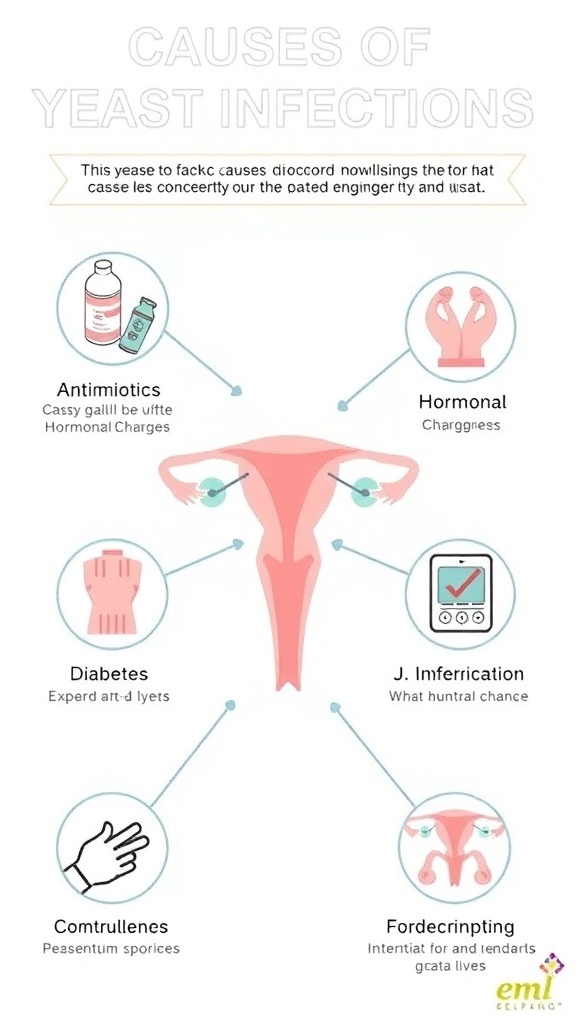
Yeast infections can be triggered by a variety of factors including antibiotic use, which disrupts the natural balance of bacteria in the body, hormonal fluctuations during menstruation or pregnancy, and underlying health conditions like diabetes or a weakened immune system. Understanding these causes can aid in reducing the risk of future infections.