The term “10-50” is a code used by law enforcement and emergency personnel to indicate that an accident has occurred and that emergency services are needed. Specifically, a 10-50 refers to a motor vehicle accident or collision, and the code is used to alert other personnel to the location and severity of the incident.
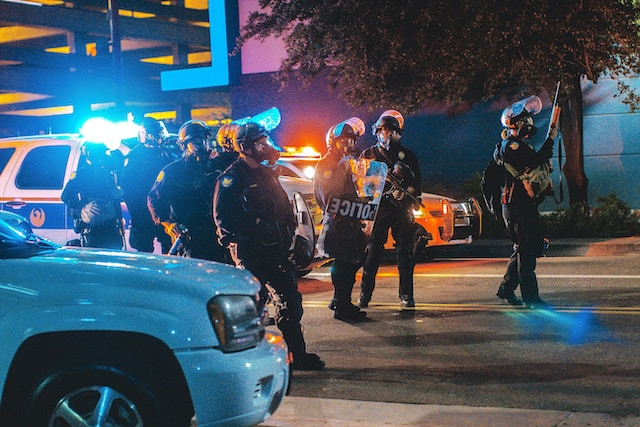
The use of numeric codes to communicate between emergency personnel and law enforcement dates back to the 1930s, when police departments began using radio communication systems to coordinate their activities. Over time, a standardized set of codes, known as the “ten codes,” was developed to facilitate communication between different agencies and personnel.
Today, the ten codes are still used by many law enforcement agencies, although some have shifted to plain language or other communication methods. The codes are typically two-digit numbers that correspond to specific phrases or situations. For example, “10-4” means “acknowledged,” while “10-20” means “location.”
When a 10-50 is reported, emergency personnel will typically respond to the scene of the accident in order to provide assistance and assess the situation. This may involve providing medical treatment to injured individuals, directing traffic around the accident site, or working to clear debris from the roadway.
In some cases, additional codes may be used to indicate the severity or nature of the accident. For example, a “10-50 with injuries” may indicate that one or more people have been injured in the accident, while a “10-50 hit and run” may indicate that one of the drivers involved in the accident has fled the scene.
The use of ten codes like 10-50 is part of a larger system of communication protocols and procedures that emergency personnel use to manage crisis situations. These procedures are designed to help emergency responders coordinate their efforts, communicate effectively with one another, and provide timely and appropriate assistance to those in need.
For example, when a 10-50 is reported, the responding emergency personnel will typically follow a set of procedures designed to ensure that the accident scene is secured, that any injured individuals are provided with appropriate medical care, and that traffic flow around the accident site is safely managed.
One of the key benefits of using a standardized system of codes and procedures like the ten codes is that it helps emergency personnel to quickly and efficiently communicate important information in high-stress situations. By using a set of codes that are widely recognized and understood, law enforcement and emergency personnel can work together to coordinate their efforts and respond to emergencies as effectively as possible.
While the use of ten codes like 10-50 can be highly effective in many situations, it is important to note that they are not universally understood or recognized. Some agencies and organizations may use different codes or communication methods, and there may be regional or cultural variations in the use of codes and procedures.
Additionally, the use of ten codes can sometimes create confusion or miscommunication between emergency personnel, especially if codes are misinterpreted or used inappropriately. To mitigate this risk, many agencies and organizations have established training programs and protocols to help ensure that personnel are familiar with the appropriate use of codes and procedures.
Overall, the use of ten codes like 10-50 is an important part of the emergency response system, helping to ensure that emergency personnel can effectively communicate and coordinate their efforts in times of crisis. By using a standardized set of codes and procedures, law enforcement and emergency personnel can provide effective and timely assistance to those in need, while minimizing the risk of confusion or miscommunication.