The lumbar region of the spine is one of the most important areas of the body, responsible for providing support to the upper body and helping to facilitate movement in the hips and legs. However, it is also one of the most vulnerable areas to injury and strain, as it is constantly subjected to stress and pressure during a variety of physical activities.
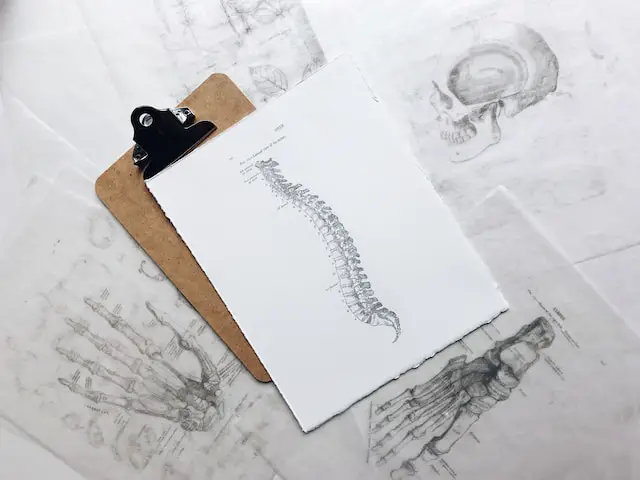
While there are numerous different types of movements that can put pressure on the lumbar region, one activity stands out as being particularly damaging: lifting heavy objects. When a person lifts a heavy object, the muscles in the lower back must work hard to stabilize the spine and prevent it from collapsing under the weight. This requires a significant amount of force, which can place tremendous pressure on the vertebrae and discs in the lumbar region. Over time, this pressure can cause damage to the structures of the spine, leading to pain, stiffness, and even chronic conditions like herniated discs.
There are several reasons why lifting heavy objects is particularly stressful on the lumbar region. Firstly, the lower back muscles are relatively small compared to the larger muscles in the legs and hips. This means they have to work harder to generate the same amount of force, which can lead to fatigue and strain. Secondly, the lower back is an area where the spine is particularly vulnerable to injury, as it is not as well-supported as other areas of the spine. Finally, lifting heavy objects requires a great deal of spinal flexion, which can put even more pressure on the lumbar discs.
To minimize the risk of injury when lifting heavy objects, it is important to use proper lifting techniques. This means keeping the weight close to your body, bending at the knees instead of the waist, and using your leg muscles to lift, rather than your back muscles. Additionally, you should avoid twisting or jerking movements, which can place additional stress on the lumbar region.
Another way to protect the lumbar region when lifting heavy objects is to use appropriate equipment. This may include a lifting belt, which can help to stabilize the spine and prevent excessive flexion, as well as gloves or other protective gear that can provide additional support and cushioning.
It is important to avoid lifting heavy objects if you are already experiencing pain or discomfort in the lumbar region. This can exacerbate the problem and lead to further injury. If you must lift heavy objects as part of your job or daily activities, it may be helpful to seek the advice of a physical therapist or other healthcare provider, who can provide guidance on proper lifting techniques and recommend exercises to strengthen the muscles in the lumbar region.
In addition to lifting heavy objects, there are other activities that can put pressure on the lumbar region and increase the risk of injury. These include sitting for long periods of time, standing for long periods of time, and engaging in high-impact sports or activities like running and jumping. To minimize the risk of injury during these activities, it is important to take frequent breaks and stretch regularly, as well as to use appropriate equipment and maintain good posture.
Maintaining a healthy weight can also help to reduce the risk of lumbar injury. Excess weight places additional stress on the lumbar region, making it more vulnerable to damage. By maintaining a healthy weight through proper diet and exercise, you can help to reduce the risk of injury and protect your spine.
In conclusion, lifting heavy objects is one of the most damaging activities for the lumbar region, due to the amount of force required to stabilize the spine and prevent it from collapsing under the weight. To minimize the risk of injury during this activity, it is important to use proper lifting techniques, appropriate equipment, and to avoid lifting heavy objects if you are already experiencing pain or discomfort in the lumbar region. By taking these precautions, you can help to protect your spine.