In the state of Florida, there are no specific laws or regulations that specify a minimum age for babysitting. However, there are guidelines and recommendations provided by various organizations that can be followed to ensure the safety and well-being of both the babysitter and the child being cared for.
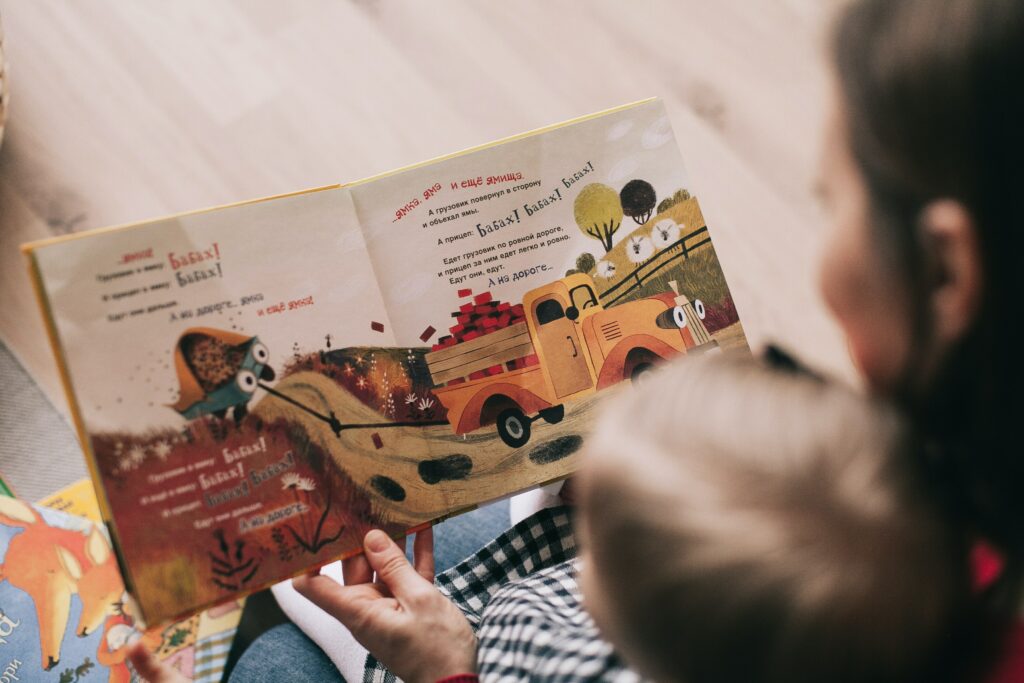
The decision of whether a child is ready to babysit depends on several factors, including their maturity level, responsibility, and ability to handle emergencies. It is important to note that the responsibility of caring for another child, even for a short period of time, should not be taken lightly. Babysitting involves not only taking care of a child’s physical needs but also their emotional well-being and safety.
The American Red Cross, a leading organization in providing babysitting training and certification, recommends that babysitters should be at least 11 years old. However, this is just a guideline and parents should consider the individual capabilities and readiness of their child before allowing them to babysit.
In addition to age, other factors to consider when determining if a child is ready to babysit include:
- Maturity level: Babysitters should possess a certain level of maturity to handle various situations that may arise while caring for a child. This includes being responsible, making good decisions, and being able to handle emergencies calmly and appropriately.
- Experience: Prior experience in caring for younger siblings, cousins, or other children can provide valuable skills and confidence to a potential babysitter. Babysitters should have basic knowledge of child development, safety, and first aid.
- Responsibility: Babysitters should demonstrate a high level of responsibility, including being punctual, reliable, and able to follow instructions from parents or caregivers. They should also be able to manage their time well and prioritize the needs of the child they are caring for.
- Communication skills: Babysitters should have good communication skills to effectively communicate with the child, parents, and other caregivers. This includes being able to understand and respond to the needs and concerns of the child, as well as being able to communicate effectively in case of emergencies.
- Safety awareness: Babysitters should be aware of and follow safety guidelines, including basic first aid and CPR. They should also know how to handle emergencies such as fires, injuries, or severe weather situations.
- Legal considerations: While there is no specific minimum age requirement for babysitting in Florida, it is important to be aware of any local laws or regulations that may apply. For example, some cities or counties may have their own rules regarding babysitting, so it is important to check for any local ordinances or regulations.
- Parental consent: It is essential for parents or caregivers to provide explicit consent for their child to babysit. Parents should discuss and assess the readiness of their child to babysit and provide clear guidelines and expectations for the babysitting arrangement.
- Access to resources: Babysitters should have access to resources such as a phone, emergency contact numbers, and a first aid kit. They should also know the location of the nearest hospital, fire station, or police station in case of emergencies.
- Time and duration: The length of time a child is expected to babysit should also be taken into consideration. Babysitting for short durations, such as a few hours during the day, may be different from overnight babysitting or caring for a child for an extended period of time.
- Trust and comfort level: It is important for both the child being cared for and the babysitter to feel comfortable and trust each other. Parents should ensure that their child is comfortable with the babysitter and that the babysitter is someone they trust.
In conclusion, while there is no specific minimum age requirement for babysitting in Florida, it is essential to consider the maturity level, responsibility, experience, safety awareness, and