Roosters are known for their distinctive crowing sound, which they use to communicate with their flock and mark their territory. The age at which roosters start crowing can vary depending on various factors such as breed, individual development, and environmental factors.
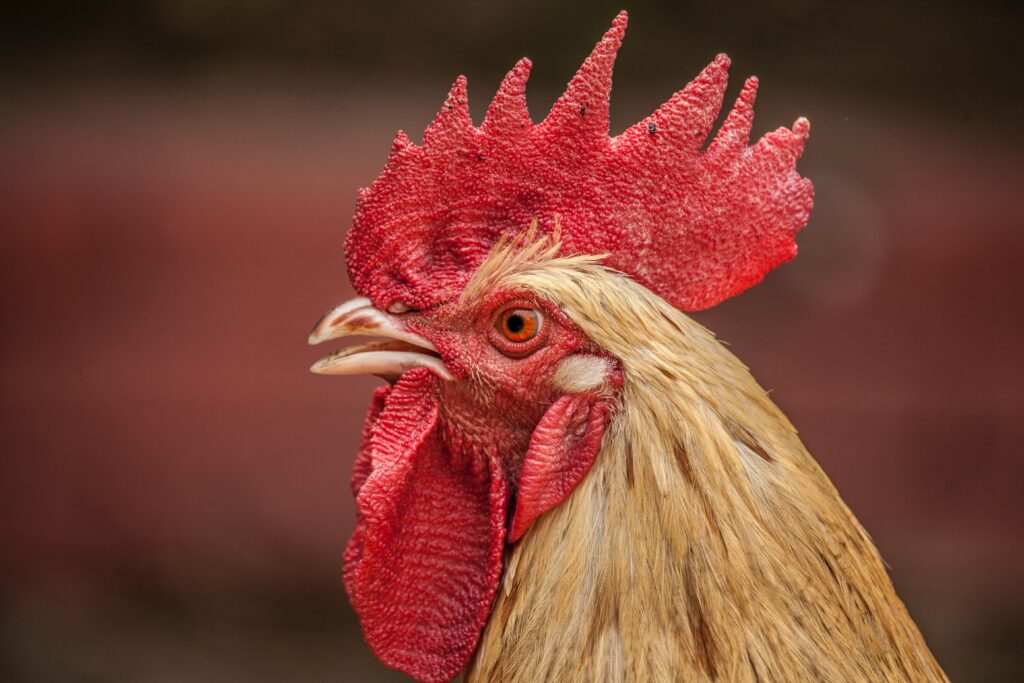
In general, roosters begin to crow around the age of 4 to 5 months. This is typically when they reach sexual maturity and begin to develop their distinctive physical and behavioral traits. However, some roosters may start crowing earlier or later than this age range.
Factors that can affect when roosters start crowing include genetics, nutrition, environment, and social factors. Roosters from certain breeds may start crowing earlier or later than others, depending on their individual development. Additionally, roosters that are well-fed and raised in a stress-free environment may reach sexual maturity and start crowing earlier than those that are malnourished or living in poor conditions.
Another factor that can influence when roosters start crowing is socialization. Roosters that are exposed to other adult males may be more likely to start crowing earlier than those that are raised alone or with females. This is because crowing is a form of communication that roosters use to assert their dominance and mark their territory. When multiple roosters are present, they may compete for resources and mates, which can lead to increased crowing and other territorial behaviors.
It’s worth noting that not all roosters crow at the same time of day or with the same frequency. Some may crow more frequently in the morning, while others may crow throughout the day or at night. Additionally, some roosters may crow more frequently when they sense danger or feel threatened, while others may crow less frequently in response to perceived threats.
In some cases, roosters may start crowing earlier or later than usual due to certain health conditions or developmental issues. For example, roosters that are malnourished or suffering from illness or injury may experience delayed sexual maturity and delayed crowing. Similarly, roosters that are genetically predisposed to certain developmental issues may also experience delayed or abnormal crowing.
In conclusion, the age at which roosters start crowing can vary depending on various factors such as breed, individual development, and environmental factors. While most roosters begin to crow around the age of 4 to 5 months, some may start earlier or later depending on their genetics, nutrition, environment, socialization, and overall health. Ultimately, the timing and frequency of crowing is a natural behavior that is driven by biological and environmental factors, and varies from one rooster to another.