A “silver birthday” is a term used to refer to a person’s 25th birthday. It is often celebrated as a significant milestone, as it marks a quarter of a century of life. In this essay, I will explore the history and significance of the silver birthday, as well as its cultural and personal implications.
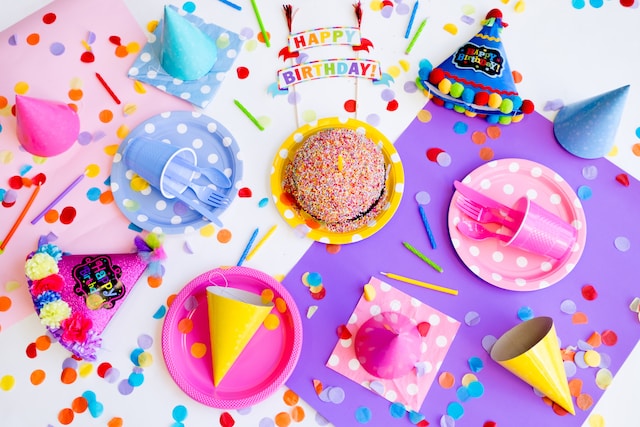
The tradition of celebrating a silver birthday dates back to medieval Germany, where it was called “silbernes Geburtstag.” At the time, it was customary for a husband to give his wife a silver wreath on their 25th wedding anniversary. The tradition then evolved to include the celebration of a person’s 25th birthday as well, which came to be known as the “silver birthday.”
The silver birthday gained popularity in the United States in the 20th century, and it has since become a widely recognized milestone. Some people choose to celebrate with a party or special event, while others may mark the occasion with a meaningful gift or personal reflection.
The significance of the silver birthday varies from person to person. For some, it represents a time of transition from youth to adulthood, as 25 is often seen as a turning point in one’s life. It may also symbolize a quarter of a century of experiences, accomplishments, and challenges, and provide an opportunity for reflection on the past and anticipation of the future.
Culturally, the silver birthday is often seen as an important milestone in many countries around the world. In Latin American cultures, for example, the 25th birthday is known as the “quinceañera,” and is traditionally celebrated with a lavish party and coming-of-age ceremony for young women. In Japan, the 25th birthday is called the “Age of Majority” and is celebrated with a special meal and ceremony.
While the silver birthday is often celebrated with joy and excitement, it can also bring about feelings of uncertainty and anxiety for some. As a quarter-life milestone, it can serve as a reminder of the pressures and expectations that come with entering adulthood, such as finding a career path, starting a family, or establishing financial stability. It may also bring about feelings of nostalgia and longing for the carefree days of youth.
Despite these potential challenges, the silver birthday can also be a time of growth and opportunity. It offers a chance to reflect on the past, set goals for the future, and embrace the changes and challenges that come with adulthood. By embracing the significance of this milestone and approaching it with a positive attitude, individuals can use their silver birthday as a catalyst for personal growth and development.
In conclusion, the silver birthday is a significant milestone that has been celebrated for centuries. It represents a time of transition and reflection, as well as an opportunity for growth and personal development. While its cultural and personal implications may vary, it remains an important occasion that is recognized and celebrated by people around the world.