Tigers are apex predators, meaning they are at the top of the food chain and have no natural predators. However, there are a few animals that may pose a threat to a tiger under certain circumstances. Such as a lack of prey or a weakened state.
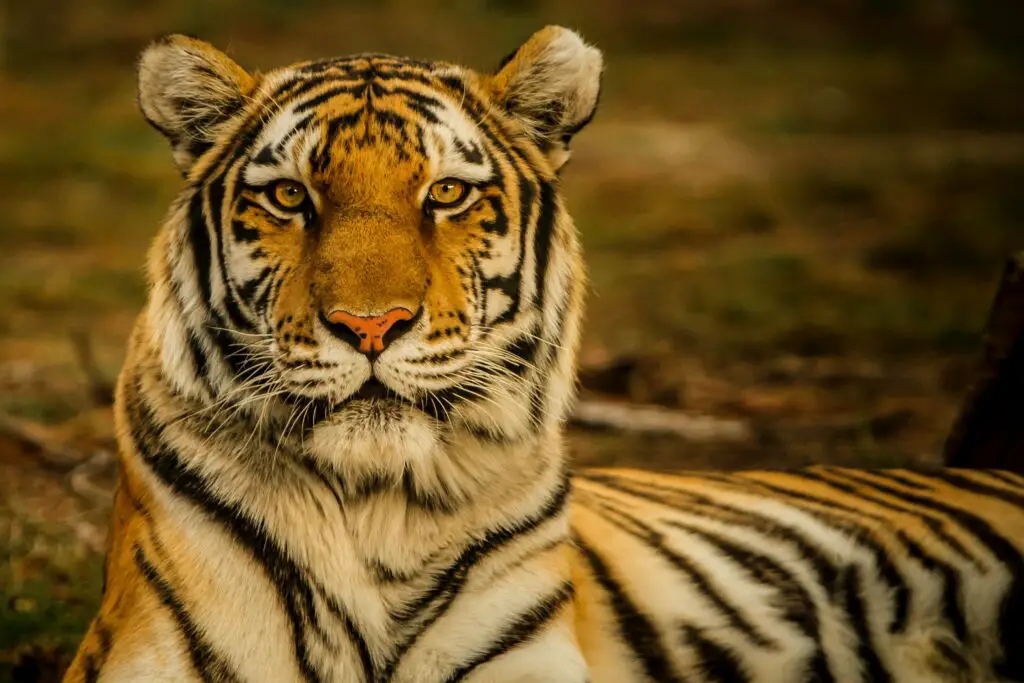
One such animal is the saltwater crocodile, which is known to attack and kill tigers in the Sundarbans region of India and Bangladesh. The Sundarbans is a mangrove forest and tiger habitat. This is also home to the world’s largest population of saltwater crocodiles. These crocodiles can grow up to 23 feet long and weigh over a ton. Crocodiles are known to be extremely aggressive and territorial. While tigers are wary of crocodiles and typically avoid them. Because they may venture into the water to cool off or to hunt. Putting them at risk of a crocodile attack.
Another potential threat to tigers is other tigers. Tigers are solitary animals and will fiercely defend their territory from other tigers. When two tigers meet in the wild, they will typically engage in a vocal and physical confrontation, with one tiger ultimately retreating. The tiger injured,it may be unable to defend itself, making it vulnerable to attack from another tiger.
Humans are also a threat to tigers. They are often hunted for their skins, bones, and other body parts, which are used in traditional medicine and as status symbols. Tigers may also be killed in retaliation for attacks on livestock or humans. However, humans are not a natural predator of tigers, and tigers are more likely to avoid humans than to actively seek them out as prey.
In conclusion, while tigers have no natural predators, they may be vulnerable to attack by saltwater crocodiles, other tigers, and humans under certain circumstances. It is important to protect these magnificent animals and their habitats to ensure their survival for generations to come.