Rooster balls are a culinary delicacy made from the testicles of a rooster. They are also known by several other names depending on the region, language, and context. In this article, we will explore the various names and origins of this unusual dish.
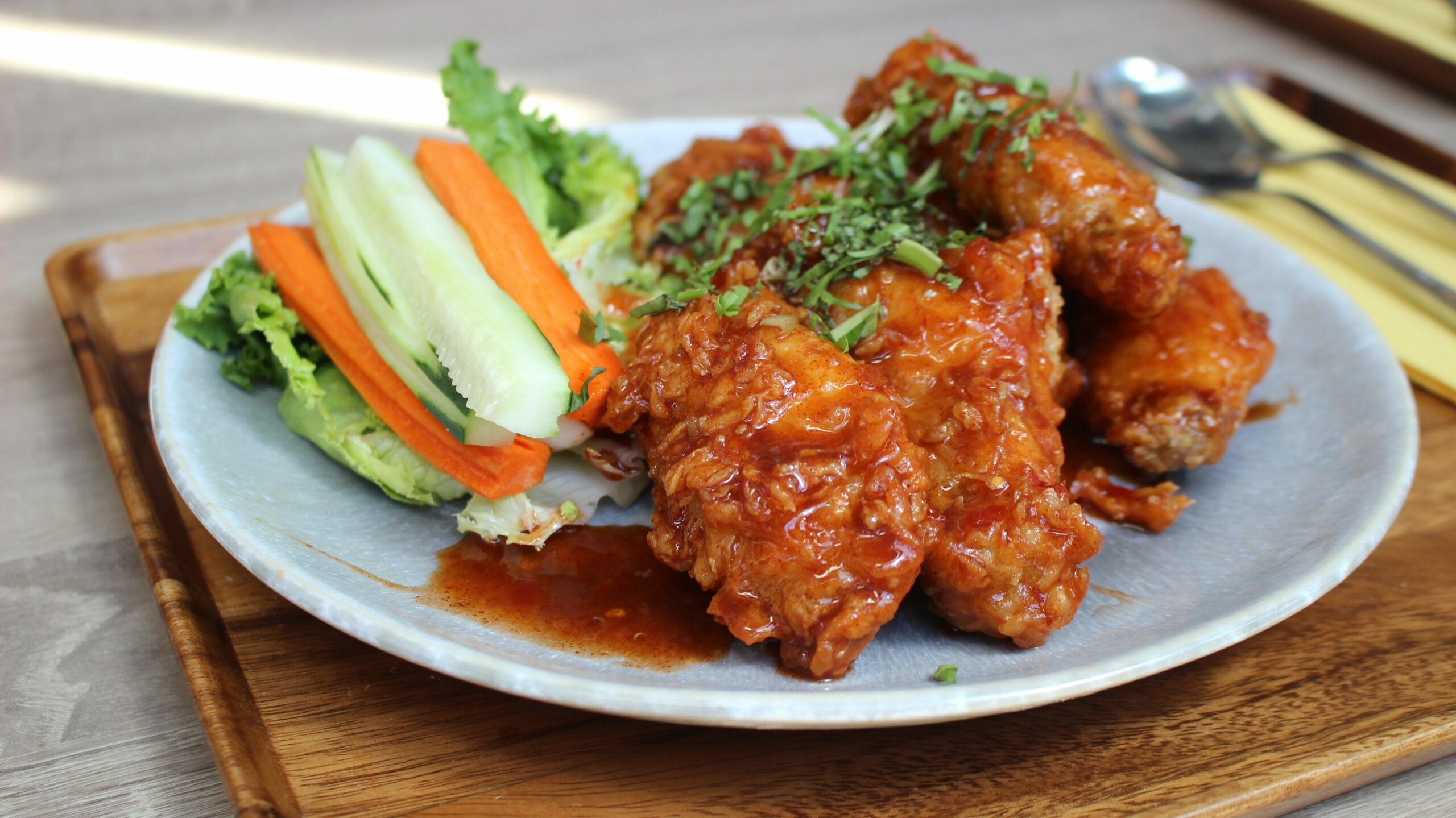
- Rocky Mountain Oysters
Rocky Mountain oysters is perhaps the most popular and widely recognized name for rooster balls. The name originated in the western United States, particularly in the states of Colorado, Montana, and Wyoming, where the dish is commonly served in restaurants and bars. The name is said to have originated in the mid-19th century when gold miners in the Rocky Mountains would harvest the testicles of cattle, sheep, and other animals, and cook them over an open fire. The dish was a cheap and readily available source of protein, and it soon became a favorite among cowboys and ranchers.
- Prairie Oysters
Prairie oysters is another common name for rooster balls, particularly in Canada. The name is said to have originated in the early 20th century, when the dish was first introduced in Canadian restaurants and bars. The term “prairie” refers to the vast grasslands of the Canadian prairies, where cattle ranching and farming were the primary industries. The dish was a popular item on the menu, particularly among farmers and ranchers who appreciated its high protein content and low cost.
- Montana Tendergroin
Montana tendergroin is a regional name for rooster balls that is used primarily in the state of Montana. The name is a play on words, combining the words “tender” and “groin” to describe the delicate and flavorful nature of the dish. The name is also a nod to the state’s ranching and cowboy culture, where the dish is a popular item on the menu.
- Criadillas
Criadillas is the Spanish name for rooster balls, and it is widely used in Spanish-speaking countries such as Mexico, Spain, and Argentina. The name literally translates to “little ones” or “young ones,” which is a reference to the fact that the dish is made from the testicles of young roosters. Criadillas are a popular dish in Spanish-speaking cultures, particularly in rural areas where farming and ranching are common.
- Huevos de Toro
Huevos de toro is the Spanish name for bull testicles, but it is also used to refer to rooster balls in some regions. The name translates to “bull eggs” or “bull testicles,” which is a reference to the fact that the dish is made from the testicles of a male animal. The dish is a popular item on the menu in some Latin American countries, particularly in Argentina and Uruguay.
- Kuo Hua Dan
Kuo hua dan is the Chinese name for rooster balls, and it is a popular dish in Chinese cuisine. The name translates to “flower eggs,” which is a reference to the shape and appearance of the dish. Kuo hua dan is typically served as a street food snack in China, and it is often served with a spicy dipping sauce.
- Hen’s Balls
Hen’s balls is a playful name for rooster balls that is used in some regions. The name is a nod to the fact that the dish is made from the testicles of a male chicken, which is technically not a rooster. The dish is a popular item on the menu in some rural areas, particularly in the southern United States.
In conclusion, rooster balls are a unique and somewhat controversial dish that is known by many names depending on the region and culture. Rocky Mountain oysters, prairie oysters, Montana tendergroin, criadillas, huevos de toro,Kuo hua dan ,Hen’s Balls are the examples of rooster balls .