Heat energy is a form of energy that results from the movement of particles within a substance. It is a type of thermal energy that can be transferred from one substance to another through conduction, convection, or radiation. Here are 10 examples of heat energy:
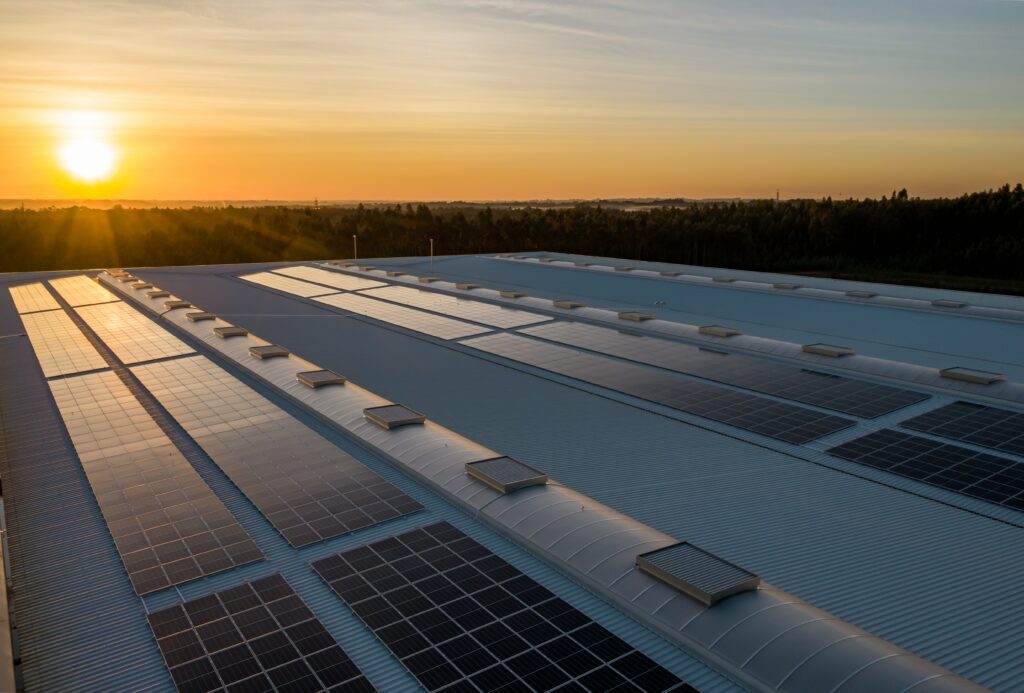
- Sunlight: The sun emits a vast amount of heat energy in the form of radiation. This heat energy is what allows life to exist on Earth and drives many of the planet’s natural processes.
- Fire: Fire is another example of heat energy. When a substance is burned, it releases heat energy as a byproduct of the chemical reaction that takes place.
- Cooking: Cooking involves the transfer of heat energy from a heat source (such as a stove or oven) to the food being prepared. This process causes the food to become heated and cooked.
- Central heating: Many homes and buildings are heated using central heating systems that distribute hot air or hot water throughout the space. This process involves the transfer of heat energy from a central source to the surrounding environment.
- Geothermal energy: Geothermal energy is heat energy that is generated by the Earth’s internal processes. It is often used as a renewable source of energy to power homes and businesses.
- Electrical appliances: Many electrical appliances, such as toasters, hair dryers, and electric heaters, use electricity to generate heat energy. This heat energy is then used to perform various tasks, such as drying hair or heating a room.
- Friction: When two surfaces rub against each other, they generate heat energy through the process of friction. This can be seen in many everyday activities, such as rubbing your hands together to warm them up.
- Body heat: The human body generates heat energy through various metabolic processes. This heat energy helps to regulate the body’s temperature and keep it functioning properly.
- Boiling water: When water is boiled, it absorbs heat energy from a heat source (such as a stove) and undergoes a phase change from a liquid to a gas. This process releases a significant amount of heat energy into the surrounding environment.
- Thermal energy storage: Some systems are designed to store heat energy for later use. For example, solar water heaters use solar panels to capture heat energy from the sun and store it in a tank for later use.
In conclusion, heat energy is a form of thermal energy that is produced through a variety of processes, including chemical reactions, electrical currents, and natural phenomena. It is essential to many of our daily activities and plays a critical role in maintaining the balance of heat and energy on Earth.
What are the 10 examples of heat energy?