The concept of elemental powers has been a popular topic in various cultures and genres. While there are different ways to categorize elemental powers, the most common system is based on the four classical elements: earth, water, air, and fire. Some traditions further divide these four elements into twelve elemental powers by adding sub-elements, directions, and qualities to each of the four classical elements.
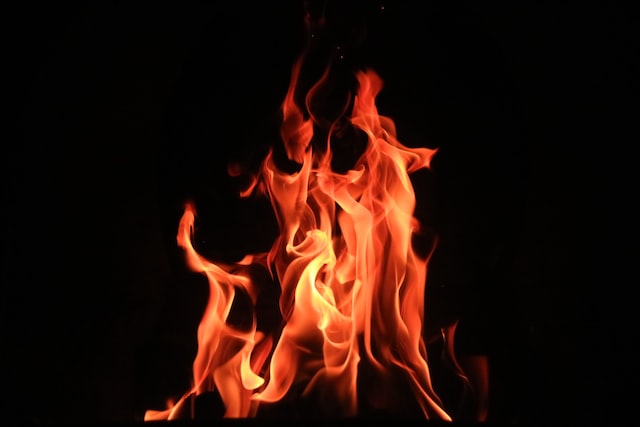
The twelve elemental powers are represented by earth, water, air, and fire, and are associated with specific sub-elements, directions, and qualities. Earth represents stability, foundation, and the physical world, with metal and wood as its sub-elements, and north and south as its associated directions. Water represents fluidity, emotion, and intuition, with ice and mist as its sub-elements, and west and east as its associated directions. Air represents intellect, communication, and freedom, with smoke and wind as its sub-elements, and east and west as its associated directions. Fire represents passion, transformation, and purification, with lightning and magma as its sub-elements, and south and north as its associated directions.
Earth: The element of earth represents stability, foundation, and the physical world. The sub-elements of earth are metal and wood, and the associated directions are north and south. The qualities of the earth are strength, endurance, and grounding.
Water: The element of water represents fluidity, emotion, and intuition. The sub-elements of water are ice and mist, and the associated directions are west and east. The qualities of water are adaptability, purification, and healing.
Air: The element of air represents intellect, communication, and freedom. The sub-elements of air are smoke and wind, and the associated directions are east and west. The qualities of air are clarity, creativity, and inspiration.
Fire: The element of fire represents passion, transformation, and purification. The sub-elements of fire are lightning and magma, and the associated directions are south and north. The qualities of fire are courage, creativity, and purification.
Metal: The sub-element of earth, metal represents strength, discipline, and organization. The associated direction is west, and the qualities of metal are solidity, precision, and determination.
Wood: The sub-element of earth, wood represents growth, expansion, and creativity. The associated direction is east, and the qualities of wood are flexibility, innovation, and vision.
Ice: The sub-element of water, ice represents stillness, conservation, and clarity. The associated direction is north, and the qualities of ice are purity, concentration, and detachment. Mist: The sub-element of water, mist represents mystery, illusion, and transition. The associated direction is south, and the qualities of mist are subtlety, intuition, and transformation.
Smoke: The sub-element of air, smoke represents transformation, communication, and transcendence. The associated direction is north, and the qualities of smoke are purification, release, and connection.
Wind: The sub-element of air, wind represents change, movement, and freedom. The associated direction is south, and the qualities of wind are adaptability, inspiration, and expansion.
Lightning: The sub-element of fire, lightning represents power, energy, and revelation. The associated direction is east, and the qualities of lightning are intensity, illumination, and transformation.
Magma: The sub-element of fire, magma represents destruction, creation, and transformation. The associated direction is west, and the qualities of magma are power, passion, and purification.
It is worth noting that these twelve elemental powers are not necessarily considered physical substances or energies, but rather archetypes or symbols that represent certain qualities or aspects of existence. Some spiritual practices use these elemental powers as a way to connect with the natural world, gain self-understanding, and promote balance and harmony in life. In popular culture, the concept of elemental powers has been used in various forms of media, such as video games, anime, and literature, to create fascinating characters with extraordinary abilities.
In summary, the twelve elemental powers categorize elemental powers based on the four classical elements and their sub-elements, directions, and qualities. Earth, water, air, and fire represent stability, fluidity, intellect, and passion, respectively, with specific sub-elements, directions, and qualities associated with each of these four elements.