The metric system is a decimal-based system of measurement that is used by the vast majority of countries around the world. However, there are a few countries that still do not use the metric system. In this answer, we will take a closer look at the three countries that don’t use the metric system and explore the historical, cultural, and practical reasons for their continued use of non-metric systems of measurement.
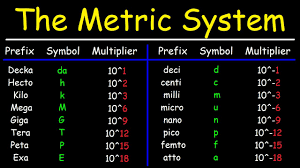
- United States of America The United States of America is one of the most prominent countries that do not use the metric system. The US officially adopted the metric system in 1975, but the use of the system is not mandatory, and many industries and individuals still use the imperial system. The metric system is taught in schools and is used in scientific and medical fields, but it has not been fully embraced by the general population. There are several reasons for this.
One of the primary reasons is that the imperial system has been deeply ingrained in American culture and history. The system was inherited from the British Empire and was used by the colonies that would eventually become the United States. The system was also used during the Industrial Revolution, which saw the rapid growth and expansion of American industry. As a result, many industries and businesses have continued to use the imperial system, which they are familiar with and have invested in.
Another reason is that switching to the metric system would be a costly and time-consuming process. It would require retooling equipment, retraining workers, and updating labels and packaging. The cost of conversion is estimated to be in the billions of dollars, and many businesses and industries are reluctant to make the investment.
Finally, there is a cultural resistance to change in the US. The imperial system is seen as a symbol of American identity, and many Americans are proud of their unique system of measurement. Some Americans also view the metric system as foreign and un-American, which has led to a reluctance to adopt it fully.
- Liberia Liberia is another country that does not use the metric system. The country was founded in the early 19th century by freed American slaves, and it adopted the US customary system of measurement, which includes units like feet, pounds, and gallons. The system has been used ever since, and there has been little impetus to change.
Like the United States, Liberia has a strong cultural connection to the imperial system. The system was brought over by the country’s founders and has been used for generations. Additionally, Liberia is a relatively small country with a struggling economy, and there has been little pressure to switch to the metric system.
- Myanmar Myanmar, also known as Burma, is the third country that does not use the metric system. The country was a British colony until 1948, and it adopted the imperial system of measurement during that time. The system has been used ever since, and there has been little impetus to change.
Myanmar is a developing country with a struggling economy, and the cost of conversion to the metric system would be a significant financial burden. Additionally, there is little pressure from international organizations to switch to the metric system, as many of Myanmar’s trading partners, such as China and India, also use non-metric systems of measurement.
In conclusion, the United States, Liberia, and Myanmar are the three countries that do not use the metric system. While the rest of the world has largely embraced the metric system, these countries continue to use non-metric systems of measurement due to a combination of cultural, historical, and practical reasons. While it is possible that these countries may eventually switch to the metric system, it is unlikely to happen in the near future.