Seeds are a critical component of the plant life cycle. They serve as the primary means of reproduction for most plants, allowing them to spread their genetic material to new locations and ensure the survival of their species. Seeds contain all of the essential nutrients and genetic information necessary to grow into mature plants, and they play a vital role in the continuity of life on Earth. In this article, we will explore the three essential parts of a seed and how they work together to support plant growth.
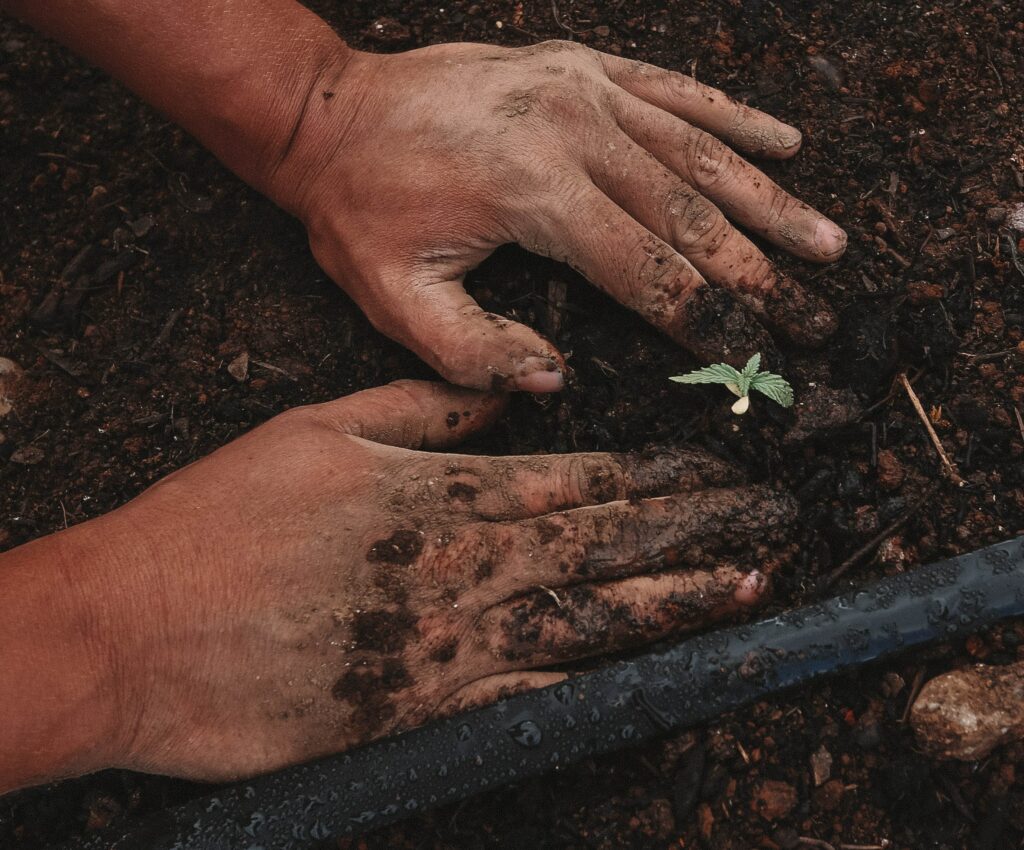
- Embryo The embryo is the small, undeveloped plant inside the seed. It contains all of the genetic material necessary to grow into a mature plant, including the root, stem, and leaves. The embryo is protected by a seed coat, which helps to keep it safe from damage and dehydration.
The embryo begins to develop as soon as the seed is exposed to moisture and warmth. The first structure to emerge is the radicle, which will eventually grow into the plant’s root system. Next, the shoot emerges, which will eventually grow into the plant’s stem and leaves. The cotyledons, or seed leaves, are also part of the embryo and are the first structures to emerge from the seed when it germinates.
- Endosperm The endosperm is the starchy or protein-rich part of the seed that provides food for the embryo as it develops. It is located between the seed coat and the embryo and is typically the largest part of the seed.
The endosperm provides the embryo with the energy and nutrients it needs to grow and develop until it can produce its own food through photosynthesis. In some seeds, such as those of maize and wheat, the endosperm is the primary source of food for humans and animals.
- Seed Coat The seed coat is the protective outer layer of the seed. It serves to protect the embryo from damage, moisture loss, and disease, as well as to regulate the exchange of gases and water with the environment.
The seed coat is made up of two layers, the testa and the tegmen. The testa is the hard outer layer of the seed, while the tegmen is the thin, inner layer. The seed coat is often colorful or patterned, which can help to attract animals that will eat the seed and disperse it to new locations.
Conclusion In conclusion, seeds are composed of three essential parts: the embryo, endosperm, and seed coat. The embryo is the small, undeveloped plant inside the seed that contains all of the genetic material necessary to grow into a mature plant. The endosperm provides the embryo with the energy and nutrients it needs to grow and develop until it can produce its own food through photosynthesis. The seed coat is the protective outer layer of the seed that serves to protect the embryo from damage, moisture loss, and disease, as well as to regulate the exchange of gases and water with the environment. Together, these three parts work in harmony to support the growth and development of plants, ensuring the survival of their species for generations to come.