The human body is made up of 206 bones that provide support, protect internal organs and aid in movement. Although all bones are crucial, some are stronger than others due to their specific shapes, structures, and purposes. The following are the top three strongest bones in the human body:
The femur is the longest, heaviest, and strongest bone in the human body, situated between the hip and knee joints. It bears the weight of the body during standing or walking. It is made up of a dense outer layer of cortical bone and a softer, spongy inner layer of trabecular bone, which gives it its unique composition and strength. The femur is also significant in physical activity and sports, as it is a major component of the hip joint and aids in generating powerful movements like running, jumping, and kicking.
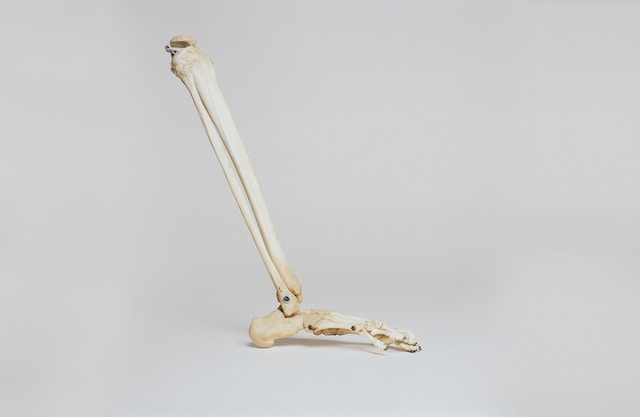
The tibia, or shin bone, is the second strongest bone in the human body. It is located between the knee and ankle joints and bears the weight of the body during standing, walking, and running. The tibia is a long bone that contains both cortical and trabecular bone, providing a blend of strength and flexibility. Furthermore, the tibia plays a vital role in motion and stability, functioning as a significant component of the ankle joint, facilitating the transfer of forces between the foot and the leg, and leading to smooth and controlled movements during activities such as walking, running, and jumping.
The skull, also known as the cranium, is the third strongest bone in the human body. It is the protective bony structure that surrounds the brain, made up of several fused bones. The cranium is a hard, dense bone that is engineered to absorb and distribute impact forces, safeguarding the delicate brain from injury. In addition to its defensive function, the cranium is important in facial aesthetics and communication. It serves as the facial structure and provides attachment points for the muscles that regulate speech and facial expressions.
In conclusion, the femur, tibia, and cranium are the three strongest bones in the human body, and they are critical for structural support, internal organ protection, and movement. Their distinctive composition and purpose make them exceptionally strong and resistant to bending or breaking. Although all bones are significant, comprehending the strengths and weaknesses of distinct bones allows us to have a better appreciation for the intricacies and wonder of the human body.