The Seven Natural Wonders of the World are truly remarkable and captivating natural phenomena that showcase the incredible diversity and beauty of our planet. These sites were chosen based on their unique ecological characteristics, cultural significance, and awe-inspiring beauty. Let’s explore each of these natural wonders in detail.
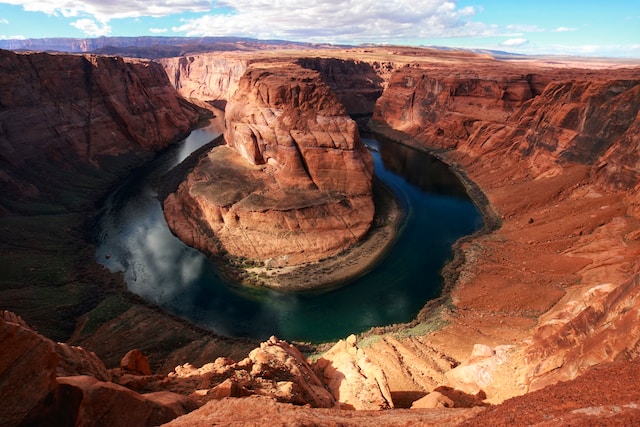
The Grand Canyon is an enormous gorge located in Arizona, United States. This canyon is more than 270 miles long, up to 18 miles wide, and over a mile deep, formed over millions of years by the erosive action of the Colorado River. With a diverse range of plant and animal species, the Grand Canyon is considered a sacred site by many Native American tribes.
The Great Barrier Reef is the largest coral reef system in the world, stretching over 1,400 miles along the coast of Australia. This reef is home to over 1,500 species of fish and more than 400 species of coral, making it one of the most important natural treasures in the world. It has been designated a UNESCO World Heritage Site.
The Northern Lights, also known as the Aurora Borealis, are a natural light display that occurs in the polar regions. The lights are caused by solar particles colliding with the Earth’s magnetic field, creating a mesmerizing show of light in the sky. The Northern Lights can be seen from Norway, Sweden, Finland, and Canada, among other locations.
Mount Everest is the tallest mountain in the world, standing at a height of 29,029 feet. This mountain is located in the Himalayas on the border between Nepal and Tibet, and climbing it is considered one of the greatest challenges for mountaineers. It is home to a unique ecosystem of plants and animals that have adapted to the extreme altitude and harsh conditions.
Victoria Falls is a massive waterfall located on the Zambezi River, on the border between Zambia and Zimbabwe. The falls are over a mile wide and drop more than 350 feet into the gorge below, making it a popular tourist destination and one of the seven natural wonders of the world.
The Parícutin Volcano is a relatively new volcano located in Mexico, which was formed in 1943 and erupted for nine years, covering nearby villages and farmland with lava and ash. The volcano is now dormant, but the lava fields and ash-covered landscapes remain as a testament to the incredible power of nature.
The Rio de Janeiro Harbor is a natural harbor located in Brazil, home to iconic landmarks such as the Christ the Redeemer statue and Sugarloaf Mountain. The harbor is also home to a diverse range of marine life, including dolphins and sea turtles.
In conclusion, the Seven Natural Wonders of the World are incredible and diverse natural phenomena that continue to inspire and captivate people from all over the world. These wonders are an important reminder of the beauty and power of nature and the importance of preserving and protecting our planet for future generations. Visiting these sites is an opportunity to experience the wonders of our world firsthand and to gain a greater appreciation for the natural world around us.