Coyotes are wild canines that are found throughout North America, from the deserts of the southwest to the forests of the northeast. While coyotes are generally wary of humans and tend to avoid contact with them, there have been instances of coyote attacks on people, particularly in areas where human development has encroached on their natural habitat. In this article, we will explore the chances of coyotes attacking humans.
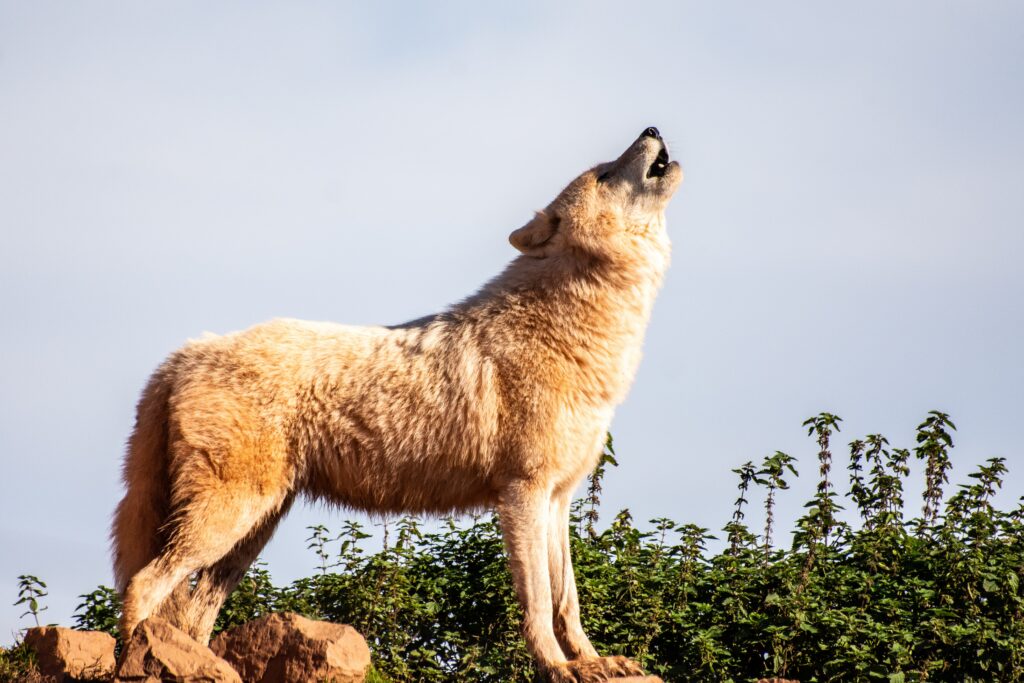
First, it’s important to understand that coyote attacks on humans are relatively rare. According to the Humane Society of the United States, coyote attacks on people are responsible for less than one percent of all reported coyote-human conflicts. Coyotes are generally shy and wary of humans, and will typically flee if they see or smell people.
However, there are several factors that can increase the chances of coyote attacks on humans. One of the most important factors is the loss of natural habitat due to human development. As people move into previously wild areas, coyotes may become more accustomed to human presence and less afraid of people. This can lead to increased interactions between coyotes and humans, and potentially increase the chances of attacks.
Another factor that can increase the chances of coyote attacks on humans is the presence of food sources that may attract coyotes. Coyotes are opportunistic feeders and will eat a variety of foods, including small mammals, birds, insects, and fruits. They may also scavenge on human refuse or pet food left outside. If coyotes become accustomed to finding food in close proximity to humans, they may become bolder and more aggressive in their interactions with people.
It’s important to note that coyote attacks on humans are more common in certain regions than others. In areas where coyotes are more prevalent and human development has encroached on their natural habitat, such as in suburban and urban areas, there may be a higher incidence of coyote-human conflicts.
So, what can you do to reduce the chances of coyote attacks on humans? Here are a few tips:
- Don’t feed coyotes: Feeding coyotes can lead to increased interactions between them and humans, and can also lead to habituation and a loss of fear of people. If you see coyotes in your area, avoid leaving out pet food or garbage that may attract them.
- Keep pets on a leash: Coyotes may see small pets as potential prey and may attack them if given the opportunity. If you are walking your pet in an area where coyotes are known to be present, keep them on a leash and do not let them roam freely.
- Keep a safe distance: If you see a coyote, keep a safe distance and do not approach it. If the coyote appears to be sick or injured, contact your local animal control agency or wildlife rehabilitation center for assistance.
- Make loud noises: If a coyote approaches you or your property, make loud noises or use other deterrents such as air horns, water hoses, or pepper spray to scare them away.
- Educate yourself: Learn more about coyotes and their behavior, and educate your family and neighbors about how to reduce the chances of conflicts between coyotes and humans.
In conclusion, while coyote attacks on humans are relatively rare, there are several factors that can increase the chances of such conflicts. Loss of natural habitat due to human development and the presence of food sources that may attract coyotes are two of the most important factors. By taking steps to reduce these factors and educating yourself about coyote behavior, you can help reduce the chances of coyote attacks on humans and promote peaceful coexistence with these fascinating wild canines.