Emo is a subculture and style of music that emerged in the 1980s and became popular in the 2000s. It is characterized by a distinct style of dress, music, and attitudes. Here are some common characteristics of the emo subculture:
- Emo music: The emo subculture is primarily associated with a style of music that combines punk rock and alternative rock with emotional and confessional lyrics. Emo music is known for its expressive and introspective lyrics, as well as its emphasis on raw emotion and vulnerability.
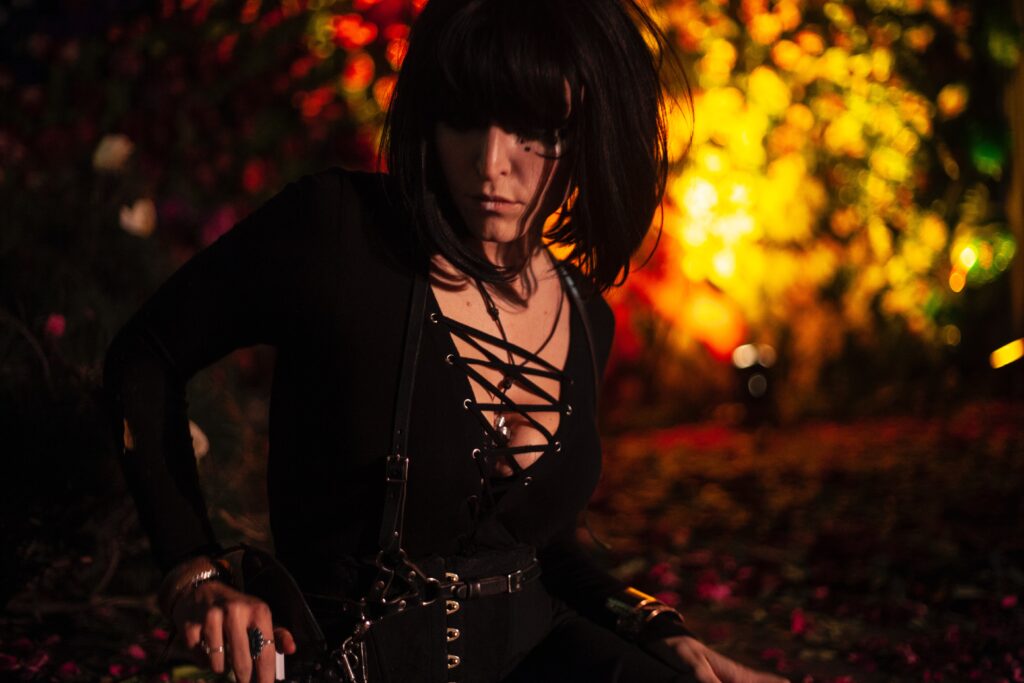
- Emo fashion: Emo fashion is characterized by tight-fitting clothes, black or dark-colored clothing, and accessories such as studded belts, wristbands, and fingerless gloves. Emos often wear their hair in a distinctive style, with long, straight hair that covers one or both eyes.
- Emotional expression: Emos tend to be highly emotional and expressive, often channeling their emotions through creative pursuits such as music, writing, or art. They may also be more likely to openly express their feelings and discuss their personal struggles.
- Nonconformity: Emos often reject mainstream culture and values, preferring to express themselves through alternative and subversive means. This can lead to a sense of isolation and alienation from society, which can further contribute to their emotional intensity and creative expression.
- Romanticization of pain: Emos may be drawn to themes of darkness, pain, and melancholy, often finding beauty in sadness and tragedy. This can manifest in their artistic expression as well as in their personal lives, with some emos embracing self-destructive behaviors or struggling with mental health issues.
- Identity and community: The emo subculture provides a sense of identity and community for its members, with shared values, experiences, and aesthetics. Emos may attend concerts, festivals, and other events where they can connect with others who share their interests and values.
It’s worth noting that not all individuals who listen to emo music or dress in emo fashion identify as “emo” or part of the subculture. Additionally, the emo subculture has evolved over time, with different waves of emo music and fashion emerging in the 2000s and beyond. As with any subculture, there is a wide range of variation among individuals who identify as emo, and not all emos will exhibit all of these characteristics.
What are the characteristics of an emo?