There are several possible explanations for why a person’s eye color might appear to change from black to blue. However, it’s important to note that eye color is determined by genetics, specifically by the amount and distribution of melanin in the iris, which is the colored part of the eye. While eye color can appear to change due to various factors such as lighting, clothing color, and makeup, a true change in eye color from black to blue is unlikely and may be a sign of a medical condition.
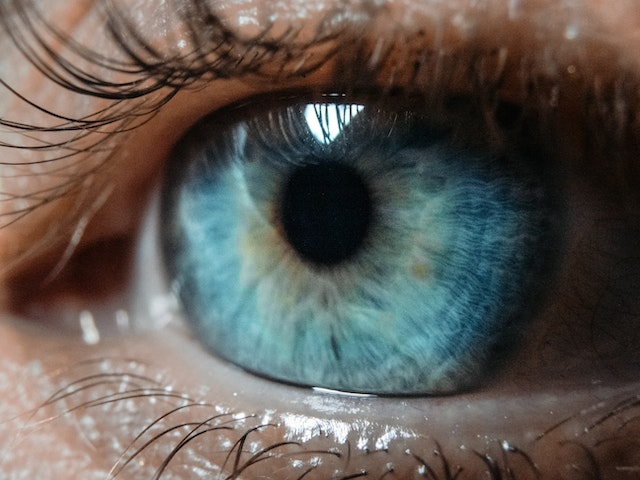
One possible explanation for why a person’s eyes might appear to change from black to blue is the use of contact lenses. Colored contact lenses can be used to alter the appearance of eye color, and it’s possible that a person with naturally dark eyes might use blue contact lenses to achieve a different look. However, it’s important to note that contact lenses only cover the iris and do not change the actual amount or distribution of melanin in the eye. As such, the change in eye color is only temporary and will revert to the person’s natural eye color once the contact lenses are removed.
Another possible explanation for why a person’s eyes might appear to change from black to blue is a medical condition called Waardenburg syndrome. This is a rare genetic disorder that affects the pigmentation of the skin, hair, and eyes, and can result in a range of symptoms including hearing loss, white patches of skin, and changes in eye color. Waardenburg syndrome is caused by mutations in several different genes, and the specific symptoms and severity of the condition can vary depending on the specific gene that is affected.
In some cases, Waardenburg syndrome can cause a person’s eyes to change from black to blue due to a lack of melanin in the iris. This can occur because the genetic mutations that cause the condition also affect the production of melanin in the body. Without enough melanin in the iris, the eye color can appear blue or even gray. However, it’s important to note that not all people with Waardenburg syndrome will experience a change in eye color, and other symptoms such as hearing loss may be more prominent.
Another possible explanation for why a person’s eyes might appear to change from black to blue is a medical condition called heterochromia iridis. This is a rare condition that affects the color of one or both eyes, and can result in a range of colors including blue, green, brown, and even multicolored eyes. Heterochromia iridis can be caused by a variety of factors including genetics, injury, and disease.
In some cases, heterochromia iridis can cause a person’s eyes to appear blue due to a lack of melanin in one or both irises. This can occur because the genetic mutations that cause the condition also affect the production of melanin in the body, or because of an injury or disease that damages the melanin-producing cells in the iris. However, it’s important to note that not all cases of heterochromia iridis will result in a change in eye color, and other symptoms such as differences in pupil size may be more prominent.
In conclusion, while it is possible for a person’s eyes to appear to change from black to blue, this is not a normal occurrence and may be a sign of a medical condition. Possible explanations for a change in eye color include the use of contact lenses, Waardenburg syndrome, and heterochromia iridis. If you or someone you know experiences a sudden or unexplained change in eye color, it is important to seek medical attention to determine the underlying cause and receive appropriate treatment.