Cheese is a popular food item that is consumed by many people around the world. In Islam, the concept of halal and haram foods is essential, and cheese is no exception. Halal foods are those that are permissible to consume according to Islamic dietary laws, while haram foods are those that are forbidden.
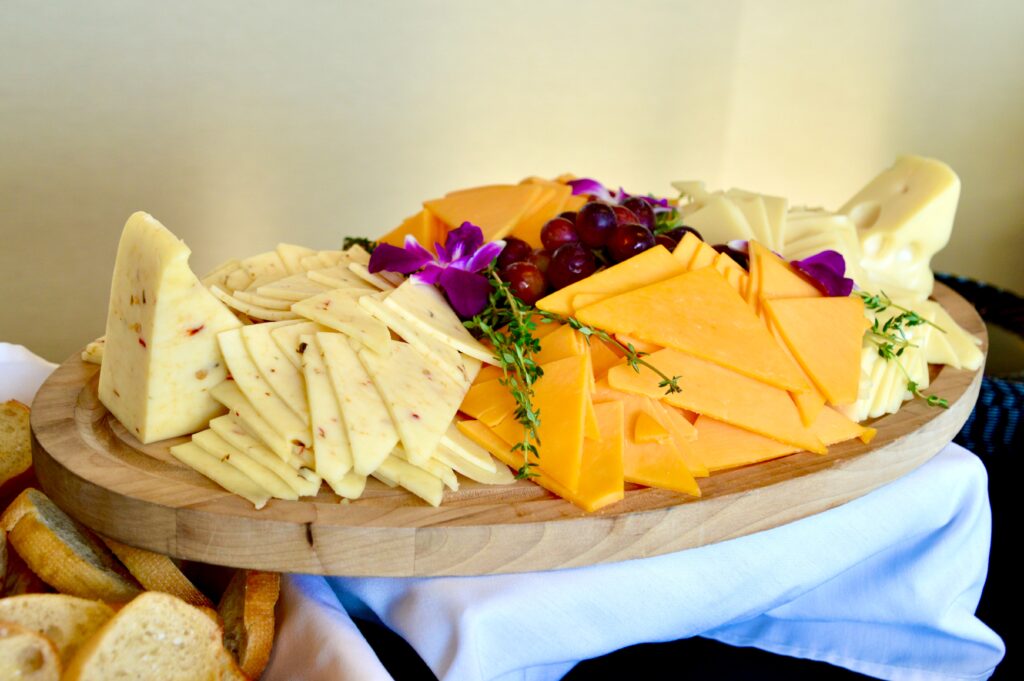
When it comes to cheese, there are several factors that determine whether it is halal or not. Some of these factors include the source of the milk used, the presence of animal enzymes, and the method of production. Let’s explore each of these factors in more detail.
- Source of milk
The source of milk used to make cheese is one of the most critical factors when it comes to determining whether it is halal or not. In Islam, milk that comes from animals that are considered halal is permissible to consume. These include cows, sheep, goats, and camels. Milk that comes from animals that are haram, such as pigs, is not permissible.
Therefore, any cheese made from the milk of haram animals is not halal. It is important to note that some cheese manufacturers may use milk from both halal and haram animals, so it is crucial to check the ingredients before consuming any cheese.
- Animal enzymes
Cheese production involves the use of enzymes, which are added to the milk to cause it to coagulate and form curds. Traditionally, these enzymes were derived from the stomach lining of animals, such as cows and goats.
In modern times, however, many cheese manufacturers use microbial or vegetable enzymes instead of animal enzymes. This is because the use of animal enzymes can make cheese non-halal.
If a cheese is made using animal enzymes from haram animals, it is not halal. However, if microbial or vegetable enzymes are used, the cheese may be considered halal, provided that the source of milk is also halal.
- Method of production
The method of production is another crucial factor when it comes to determining whether cheese is halal or not. Some cheese manufacturers use alcohol as a preservative or in the production process. In Islam, alcohol is considered haram, and any food item that contains alcohol is not halal.
Therefore, if a cheese is produced using alcohol, it is not halal. Additionally, if the equipment used in the production process is not properly cleaned and has been previously used to produce haram products, the cheese may also be considered non-halal.
In conclusion, cheese that is made from the milk of halal animals, uses microbial or vegetable enzymes, and is produced using halal methods is considered halal. On the other hand, cheese made from the milk of haram animals, uses animal enzymes from haram animals, contains alcohol, or is produced using haram methods is considered non-halal.
It is important to note that the halal status of cheese can vary depending on the region, as different countries may have different regulations and interpretations of Islamic dietary laws. Therefore, it is always best to check the ingredients and production methods before consuming any cheese.
In summary, as a Muslim, it is important to be mindful of the halal status of the foods we consume, including cheese. By being aware of the source of milk, type of enzymes used, and method of production, we can make informed decisions about what we eat and ensure that our diets align with our religious beliefs.