Copper, when exposed to the environment or certain chemicals, undergoes a natural process called oxidation. This process results in the formation of a patina. Which is a thin layer that develops on the surface of copper. The initial color of copper when it first oxidizes is typically a bright, shiny reddish-orange color. However, over time, as the oxidation process continues. Then copper can turn green due to the formation of copper oxide and copper carbonate compounds. But what color does copper turn after green? Let’s delve deeper into the science behind the colors of copper and its patina.
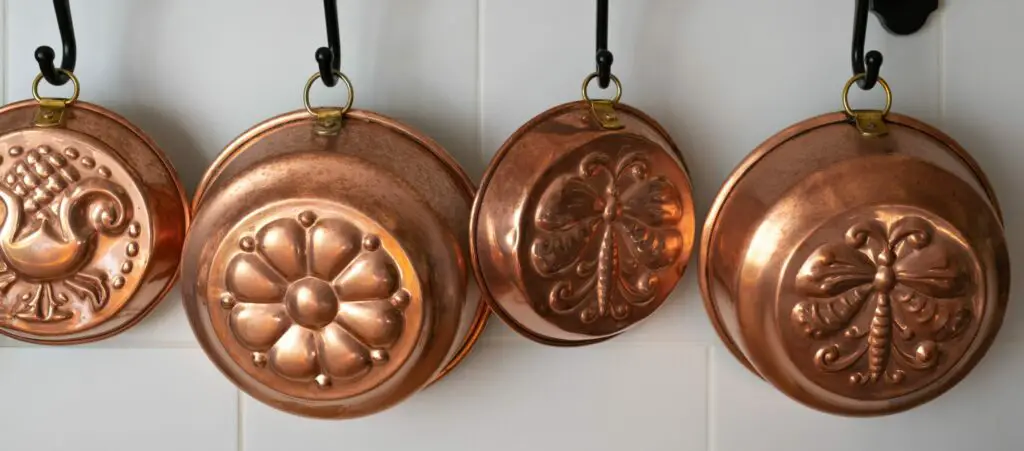
After copper turns green due to oon, the color that it may develop next can vary depending on several factors, such as the environment, exposure to chemicals, and the specific compounds formed during oxidation. Typically, copper can develop various shades of blue, blue-green, or turquoise colors after it has turned green.
The color change in copper is primarily due to the formation of different copper compounds on its surface. Copper oxide (CuO) and copper carbonate (CuCO3) are the main compounds that contribute to the green color of copper patina. However, as the oxidation process continues and the patina matures, other compounds may also form, leading to a change in color.
One of the compounds that can form on the surface of copper after it turns green is copper sulfate which is blue in color. Copper sulfate is formed when copper reacts with sulfur-containing compounds in the atmosphere or when copper comes into contact with certain chemicals or solutions containing sulfur. This blue color can develop alongside the green color of copper patina, resulting in a striking combination of blue-green hues.
Another compound that can contribute to the color change in copper after it turns green is azurite (Cu3(CO3)2(OH)2), which is a blue carbonate mineral. Azurite forms when copper reacts with carbon dioxide and water in the atmosphere or when copper comes into contact with certain solutions containing carbonates. Azurite can develop on top of the green patina layer, adding a blue hue to the overall color of the copper surface.
In addition to blue and blue-green colors, copper can also develop turquoise colors after it has turned green. Turquoise is a hydrated phosphate mineral that contains copper, aluminum, and phosphorus. It forms when copper reacts with phosphorus-containing compounds in the environment, such as phosphates in soil or water. Turquoise is known for its distinctive blue-green color, which can range from light blue to greenish-blue, and it can develop on top of the green patina layer, further altering the color of copper.
It’s important to note that the specific colors that copper develops after turning green can also depend on other factors, such as the thickness and texture of the patina layer, the presence of other minerals or impurities in the environment, and the overall condition of the copper surface. For example, if the copper surface is polished or coated with a protective layer, it may not develop a patina or may develop a different color compared to untreated copper.
The process of color change in copper patina is gradual and can take years or even decades to fully develop, depending on the environmental conditions and exposure to various compounds. The resulting colors can create a visually appealing and unique appearance, which is often appreciated in decorative and artistic applications of copper, such as sculptures, architectural elements, and jewelry.
In some cases, the color change in copper patina may be undesirable, especially in applications where the original reddish-orange color of copper is desired. In such cases, preventive measures can be taken to slow down or prevent the oxidation process. For example, applying a protective coating or sealant on the copper surface can help reduce its exposure to air and moisture.