Grey is a neutral color that can be created by mixing complementary colors, which are colors that are opposite each other on the color wheel. The three primary colors, red, blue, and yellow, can be combined to create secondary colors, which are orange, green, and purple. Mixing these secondary colors with their complementary colors will result in a range of grey shades.
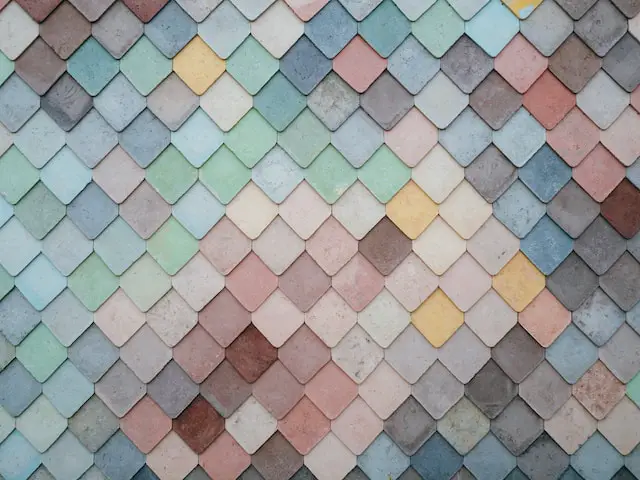
One way to make grey without using black is by mixing equal parts of complementary colors. For example, mixing equal parts of red and green, blue and orange, or yellow and purple will result in various shades of grey. This is because the complementary colors cancel each other out, resulting in a neutral grey color. This method can be used to create a range of grey shades, depending on the amount of each complementary color used.
Another way to make grey without black is by mixing primary colors together. For example, mixing blue and yellow will result in a greenish-grey color, while mixing red and yellow will result in an orange-grey color. This method can also be used to create a range of grey shades, depending on the proportions of each primary color used.
It is also possible to create different shades of grey by mixing different secondary colors together. For example, mixing equal parts of green and purple will result in a cool-toned grey, while mixing equal parts of orange and purple will result in a warm-toned grey.
In addition to mixing complementary or primary colors, it is also possible to make grey by blending white with a small amount of color. This is known as tinting, and it can result in a range of light grey shades. For example, mixing a small amount of blue with white will result in a pale blue-grey color, while mixing a small amount of yellow with white will result in a pale yellow-grey color.
It’s important to note that the colors used to make grey can influence the final shade of grey. For example, using warm colors such as red and yellow to create grey will result in a warm-toned grey, while using cool colors such as blue and green will result in a cool-toned grey.
Finally, it’s worth noting that the intensity of the colors used to make grey can also influence the final shade. Using highly saturated colors will result in a more intense shade of grey, while using pastel colors will result in a lighter shade of grey.
In summary, there are several ways to make grey without using black. Mixing complementary colors or primary colors together can result in a range of grey shades, while tinting white with a small amount of color can create light grey shades. The final shade of grey will depend on the colors used, their intensity, and the proportions used in the mix. By experimenting with different color combinations and proportions, it’s possible to create a wide variety of grey shades that can be used in art, design, and other creative applications.