It’s important to note that the idea of skin color being “dark” or “light” is subjective and varies from person to person. Skin color is determined by a combination of genetics, exposure to sunlight, and environmental factors. There are no countries where everyone has the same skin color, and there is a wide range of skin tones within each country.
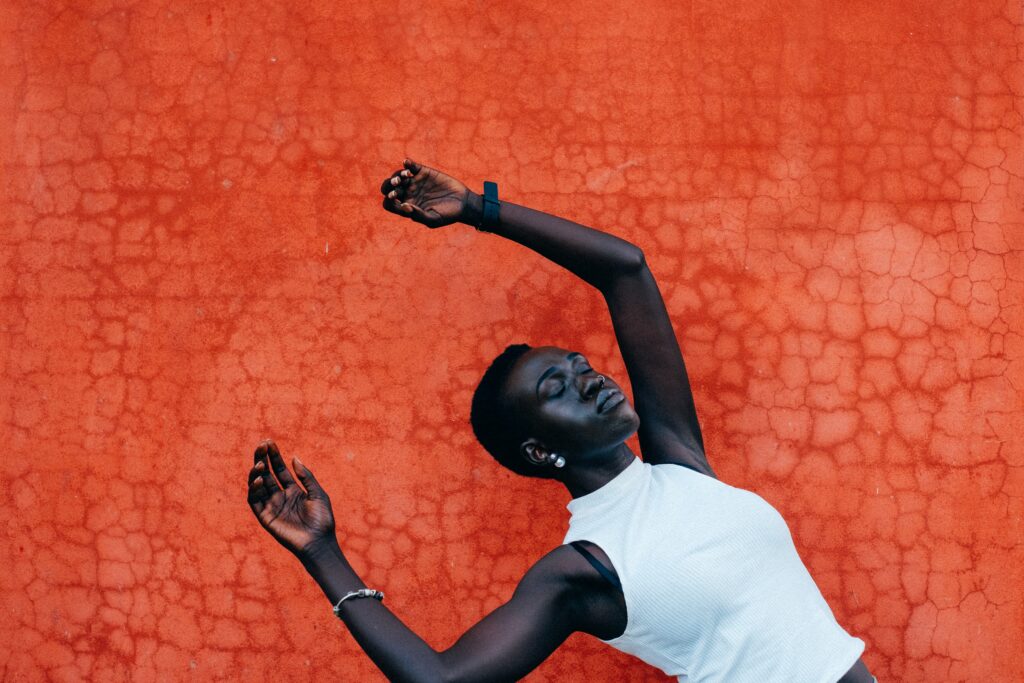
That being said, there are certain regions of the world where people tend to have darker skin tones due to genetic factors and exposure to sunlight. Here are some countries and regions where people are known to have darker skin tones:
- Sub-Saharan Africa: The majority of people in this region have darker skin tones due to the high levels of melanin in their skin, which protects them from the intense UV radiation in the equatorial sun.
- South Asia: Countries like India, Pakistan, Bangladesh, and Sri Lanka have a wide range of skin tones, but many people in these regions have darker skin tones due to the high levels of melanin in their skin, as well as exposure to sunlight.
- Southeast Asia: Countries like Thailand, Indonesia, Malaysia, and the Philippines have a diverse range of skin tones, but many people in these regions have medium to dark skin tones due to the intense UV radiation from the sun.
- Melanesia: This region in the Pacific includes countries like Papua New Guinea, Fiji, and the Solomon Islands. The indigenous people of these islands have dark skin tones due to a combination of genetic factors and high levels of UV radiation.
- Caribbean: The people of the Caribbean are of African, European, and Indigenous American descent. Many have darker skin tones due to their African ancestry and exposure to intense sunlight.
- Latin America: Countries like Brazil, Colombia, and Mexico have a diverse range of skin tones due to the mixing of Indigenous American, African, and European populations. Many people in these countries have medium to dark skin tones.
It’s important to note that skin color is not a reliable indicator of a person’s ethnicity or nationality. There are people with dark skin tones in many countries around the world, and people with light skin tones in regions where the sun is intense. It’s also important to recognize that skin color is just one aspect of a person’s identity and should not be used to make assumptions about their culture, beliefs, or values.
It’s also important to acknowledge the historical and social implications of skin color in certain regions of the world. In many countries with darker-skinned populations, there has been a long history of discrimination and marginalization based on skin color. This has led to social and economic inequalities that continue to affect these populations today.
In conclusion, there are many countries and regions of the world where people have darker skin tones, including Sub-Saharan Africa, South Asia, Southeast Asia, Melanesia, the Caribbean, and Latin America. However, skin color is a complex and multifaceted aspect of a person’s identity, and should not be used to make assumptions about their ethnicity, nationality, or cultural background. It’s important to recognize the historical and social implications of skin color, and to work towards a more inclusive and equitable world where everyone is valued and respected regardless of their appearance.