Understanding how early humans dealt with menstruation is a subject of interest that has been discussed by scholars and researchers. Although there is no direct evidence of how early humans managed menstruation, we can infer some clues from the archaeological record and contemporary hunter-gatherer societies.
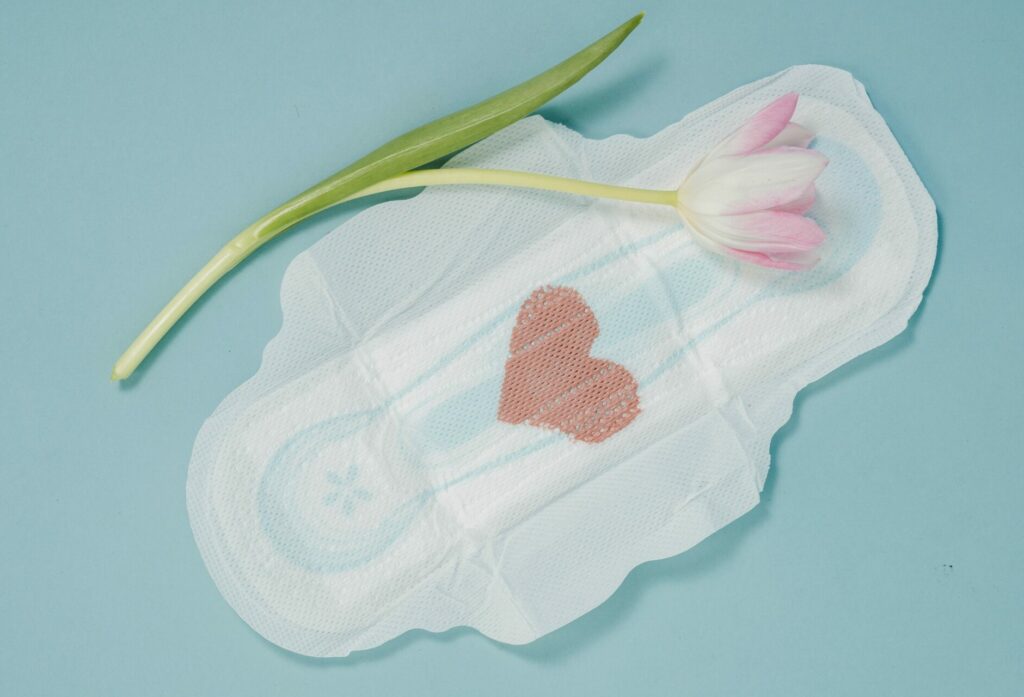
It is unlikely that early humans had access to modern menstrual products such as pads and tampons. Instead, it is thought that they used materials such as leaves, grass, moss, or animal skins to absorb menstrual blood.
There is also the possibility that early humans had menstrual taboos or rituals. Many contemporary hunter-gatherer societies impose restrictions on what women can do or eat during menstruation, and it is possible that similar practices existed in the past. However, these practices would not have left a clear archaeological record.
It is essential to recognize that menstruation is a natural and normal biological process that has been occurring in female humans for tens of thousands of years. Although practices and beliefs around menstruation may have varied across time and cultures, it is likely that early humans found ways to manage and cope with menstruation, just as we do today.