Dark brown eyes are a common eye color among humans. It is estimated that approximately 79% of the world’s population has brown eyes, making it the most prevalent eye color. While eye color is primarily determined by genetics, there are several factors that can influence the hue, intensity, and shade of brown eyes. In this article, we will explore what dark brown eyes mean and discuss some interesting facts and trivia about this eye color.
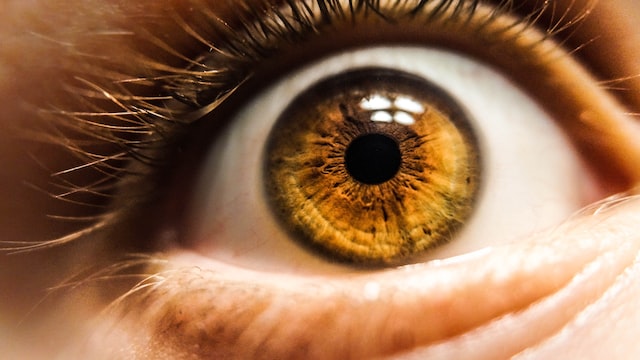
The Meaning of Dark Brown Eyes
Eye color is often considered to be a reflection of one’s personality, temperament, and emotions. While there is little scientific evidence to support this claim, different eye colors have been associated with various traits and characteristics throughout history and culture.
Dark brown eyes, in particular, have been linked to several positive attributes, such as strength, confidence, and loyalty. People with brown eyes are often described as dependable, grounded, and practical, and they are said to possess a strong work ethic and a sense of responsibility. Brown-eyed individuals are also thought to be trustworthy and sincere, and they are said to have a calming and reassuring presence.
At the same time, dark brown eyes have also been associated with negative stereotypes, such as being dull, boring, or unremarkable. Some people may view brown eyes as ordinary or unexciting, and they may even perceive them as less attractive or desirable than other eye colors, such as blue or green.
However, these stereotypes are largely unfounded and have no scientific basis. Eye color is a genetic trait that is determined by the amount and type of pigments in the iris, and it has no bearing on a person’s intelligence, personality, or worth.
Interesting Facts and Trivia About Dark Brown Eyes
Here are some fascinating facts and trivia about dark brown eyes that you may find interesting:
- Brown eyes are actually blue underneath.
All human eyes have a layer of tissue called the stroma that contains pigments that give them their color. In brown eyes, the stroma contains a lot of melanin, which absorbs and scatters light to create the brown hue. However, beneath the pigmented layer, the stroma is actually blue. This means that if you were to remove the pigments from someone’s brown eyes, their eyes would appear blue.
- The shade of brown eyes can vary.
While dark brown eyes are the most common shade of brown, there are many different variations of brown eyes, ranging from light hazel to dark chocolate. The exact shade of brown eyes is determined by the amount and type of melanin in the stroma, as well as other factors such as lighting and surroundings.
- Brown eyes are dominant.
Eye color is determined by multiple genes, and the inheritance patterns can be complex. However, it is generally agreed that brown eyes are a dominant trait, meaning that if one parent has brown eyes and the other has blue or green eyes, the child is more likely to inherit brown eyes.
- Brown eyes are more common in certain regions.
Brown eyes are more prevalent in certain parts of the world, such as Asia, Africa, and the Middle East. In these regions, up to 90% of the population may have brown eyes. On the other hand, brown eyes are less common in Europe and the Americas, where they are found in about 50% of the population.
- Eye color can change over time.
While eye color is largely determined by genetics, it can also be influenced by other factors such as age, disease, and medication. Some people may experience a gradual darkening or lightening of their eye color over time, while others may experience a sudden change due to an injury or illness.