Fetal seizures are a rare occurrence that can happen during pregnancy. They are a type of seizure that occurs in the womb and can be caused by a variety of factors, including genetic disorders, infections, and brain abnormalities. While fetal seizures can be a cause for concern, they are not always harmful to the fetus and can often be managed with proper medical care.
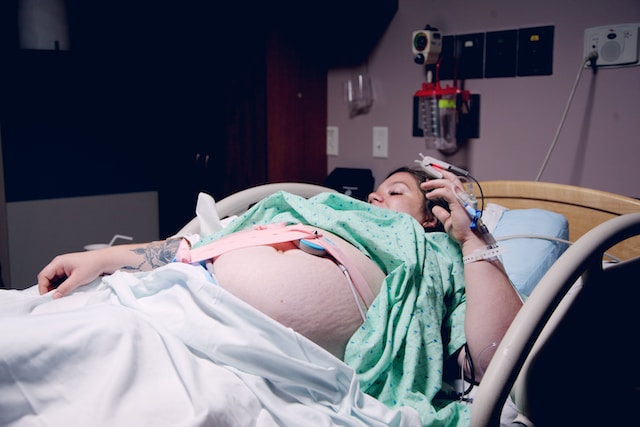
It is important to note that fetal seizures are not typically felt by the mother. The seizures occur within the fetus and are not noticeable to the mother unless they are being monitored by a healthcare provider. In most cases, fetal seizures are detected during routine prenatal ultrasound exams or fetal heart rate monitoring.
The signs and symptoms of fetal seizures can vary depending on the underlying cause and the severity of the seizures. Some of the most common symptoms include:
- Abnormal movements: Fetal seizures can cause the fetus to make sudden, jerky movements or experience spasms. These movements can be seen on ultrasound and may be accompanied by a change in heart rate.
- Changes in heart rate: Fetal seizures can cause a temporary change in the fetal heart rate, which can be detected by fetal heart rate monitoring. The heart rate may slow down, speed up, or become irregular during a seizure.
- Breathing difficulties: Severe fetal seizures can interfere with the fetus’s ability to breathe, which can be detected by ultrasound or fetal heart rate monitoring. The fetus may have difficulty taking in enough oxygen, which can be a cause for concern.
- Brain abnormalities: Fetal seizures can be a sign of underlying brain abnormalities, which may be detected through ultrasound or other diagnostic tests. These abnormalities can include structural defects, genetic disorders, or infections.
If a fetus is diagnosed with seizures during pregnancy, the mother will likely receive specialized care and monitoring from a team of healthcare providers. Treatment options may include medication to manage seizures, monitoring of fetal heart rate and breathing, and close monitoring of the fetus’s development and well-being.
In some cases, fetal seizures can have long-term effects on the baby’s health and development. Severe seizures may increase the risk of brain damage or developmental delays, and may require ongoing medical care and support. However, with proper monitoring and medical care, many babies with fetal seizures are able to develop normally and have healthy outcomes.
In conclusion, fetal seizures are a rare occurrence that can happen during pregnancy. They are not typically felt by the mother and are often detected through routine prenatal ultrasound exams or fetal heart rate monitoring. The signs and symptoms of fetal seizures can vary depending on the underlying cause and the severity of the seizures, and may include abnormal movements, changes in heart rate, breathing difficulties, and brain abnormalities. If a fetus is diagnosed with seizures during pregnancy, the mother will likely receive specialized care and monitoring from a team of healthcare providers. While fetal seizures can be a cause for concern, with proper medical care and support, many babies with fetal seizures are able to develop normally and have healthy outcomes.