In Irish culture, the term for “grandma” is “seanmháthair” (pronounced shan-waw-her), which is derived from the Irish language, also known as Gaeilge. Irish is a Celtic language spoken primarily in Ireland, and it has its own unique vocabulary and grammar.
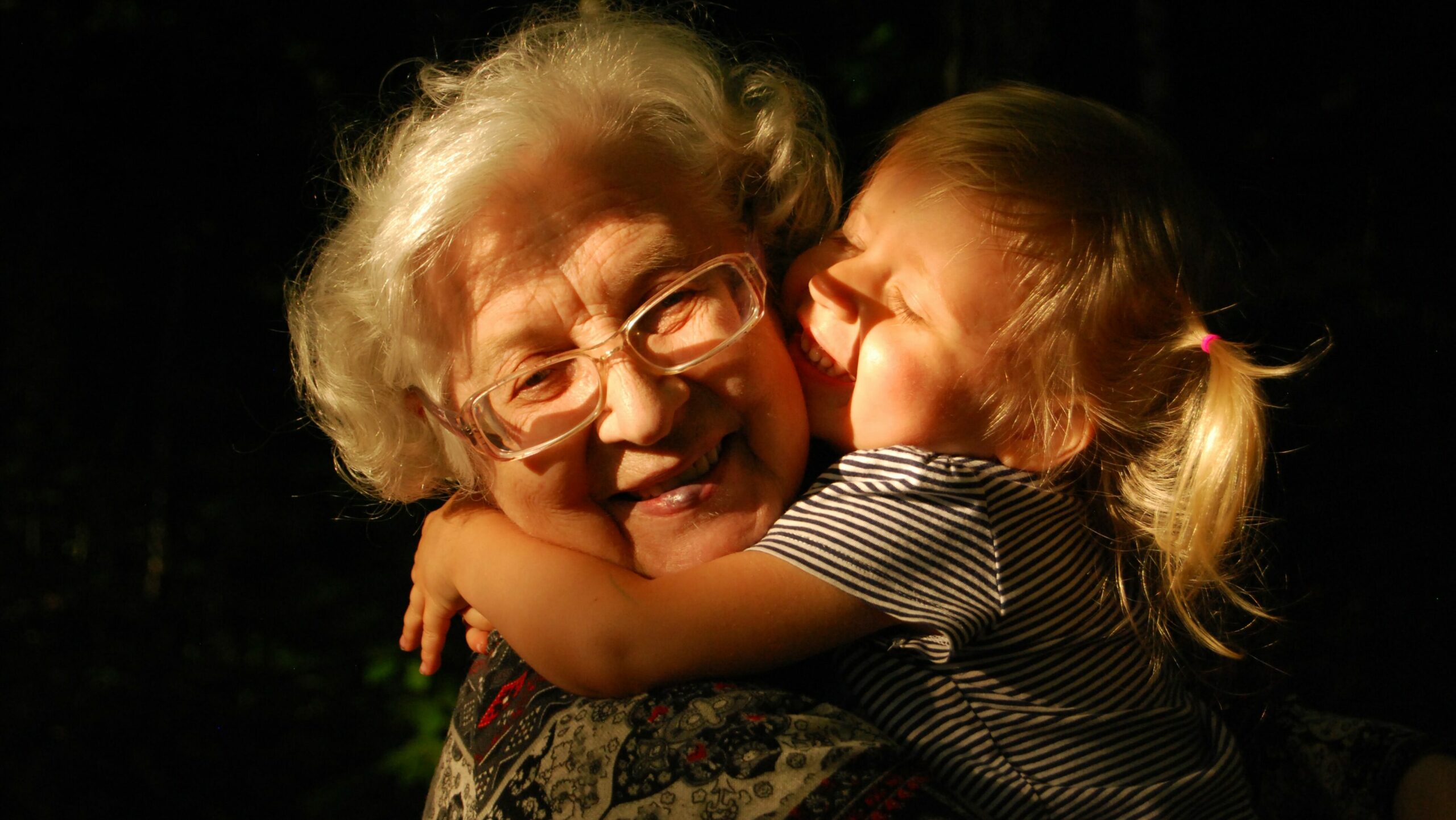
The term “seanmháthair” is composed of two words: “sean” and “máthair.” “Sean” is the Irish word for “old” or “grand,” and “máthair” is the Irish word for “mother.” When combined, “seanmháthair” literally translates to “old mother” or “grandmother” in English. It’s a term of endearment used to refer to one’s paternal or maternal grandmother.
In Irish culture, grandparents hold a special place and are often highly respected and cherished. The relationship between grandchildren and their grandparents is often seen as one of warmth, love, and guidance. Grandparents are considered an important source of wisdom, stories, and traditions, and they often play a significant role in the upbringing of grandchildren.
It’s worth mentioning that the Irish language, including its terms of endearment like “seanmháthair,” is experiencing a decline in usage, with English being the dominant language spoken in Ireland today. However, there is still a strong cultural connection to the Irish language, and many Irish families continue to use Irish words and phrases, including those related to familial relationships, as a way to preserve their cultural heritage.
In addition to “seanmháthair,” there are other informal and regional terms that may be used to refer to a grandmother in Irish culture. For example, “Mamó” (pronounced ma-moh) is a term that is sometimes used to refer to a grandmother in certain regions of Ireland, particularly in the western parts of the country. “Mamó” is an affectionate term that is similar to “Granny” or “Nana” in English, and it is often used by grandchildren to refer to their grandmother in a loving and familiar way.
It’s important to note that the specific term used for “grandma” may also vary depending on the dialect of Irish being spoken. Irish has several dialects, including Connacht Irish, Munster Irish, and Ulster Irish, and each dialect may have its own unique terms or pronunciations for “grandma” or other familial relationships.
Furthermore, it’s worth mentioning that family dynamics and terminologies can also vary within Irish culture based on regional, familial, or personal preferences. Some families may use a different term for “grandma” based on their own family traditions or personal choices. For example, some families may simply use the English term “grandma” or “granny” instead of the Irish term “seanmháthair” or “Mamó,” especially if they primarily speak English in their daily lives.
In recent years, there has been a growing interest in reviving and preserving the Irish language, including its terms of endearment, as a way to honor Irish culture and heritage. Efforts have been made to promote the use of the Irish language in everyday life, including in family settings, schools, and communities. This has led to increased awareness and usage of traditional Irish terms, including those related to familial relationships such as “seanmháthair” or “Mamó.”
In conclusion, in Irish culture, the term for “grandma” is “seanmháthair,” which is derived from the Irish language and translates to “old mother” or “grandmother” in English.