Mums, also known as chrysanthemums, are a popular fall-blooming plant with vibrant, colorful flowers that can add beauty to any garden or indoor space. However, overwatering mums can lead to a variety of negative consequences that can impact their health and appearance. In this article, we will explore what overwatered mums look like and how to prevent overwatering to keep your plants healthy and thriving.
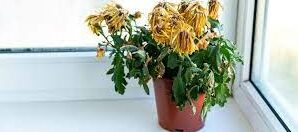
One of the most common signs of overwatered mums is yellowing leaves. This is because overwatering can cause root rot, which deprives the plant of the nutrients it needs to thrive. As a result, the leaves may start to turn yellow or brown, and the plant may begin to wilt. In severe cases, the plant may even begin to drop its leaves.
In addition to yellowing leaves, overwatered mums may also develop fungal infections. These infections can lead to the formation of white or grayish powdery mildew on the leaves, stems, and flowers. This can be particularly damaging to the plant’s health and can even cause it to die if left untreated.
Another common symptom of overwatered mums is stunted growth. When plants are overwatered, their roots can become saturated with water, which makes it difficult for them to absorb nutrients from the soil. As a result, the plant may stop growing or may grow more slowly than usual. In some cases, overwatering can even cause the plant to become root-bound, which means that its roots become tangled and unable to expand properly.
Overwatered mums may also exhibit wilting or drooping leaves. This is because the excess water can cause the plant’s cells to swell, which puts pressure on the plant’s tissues and can lead to wilting or drooping. In some cases, the leaves may even appear to be waterlogged or mushy to the touch.
Finally, overwatered mums may exhibit signs of nutrient deficiencies. This is because the excess water can wash away essential nutrients from the soil, leaving the plant without the nutrients it needs to grow and thrive. As a result, the leaves may appear pale or yellowish, and the plant may have a general lack of vigor.
To prevent overwatering and keep your mums healthy, there are several steps you can take. First, be sure to plant your mums in well-draining soil that allows excess water to drain away from the roots. If you are growing your mums in containers, be sure to choose pots with drainage holes to allow excess water to escape.
Second, be sure to water your mums properly. Generally, mums prefer soil that is kept consistently moist but not overly wet. This means that you should water your mums deeply and thoroughly, but only when the top inch of soil feels dry to the touch. If you are unsure whether your mums need water, you can check the soil moisture level by sticking your finger into the soil up to the second knuckle. If the soil feels moist, wait a few more days before watering again.
Third, be sure to provide your mums with adequate sunlight and nutrients. Mums thrive in full sun and require regular fertilization to grow and bloom properly. Be sure to fertilize your mums with a balanced fertilizer once a month during the growing season, and provide them with at least six hours of sunlight per day.
In conclusion, overwatering can have a variety of negative consequences for mums, including yellowing leaves, fungal infections, stunted growth, wilting or drooping leaves, and nutrient deficiencies. To keep your mums healthy and thriving, be sure to plant them in well-draining soil, water them properly, and provide them with adequate sunlight and nutrients.