In the world of Dungeons and Dragons, tieflings are a race of humanoids with demonic or infernal ancestry. They have a wide range of physical characteristics, including skin color, which can vary greatly depending on their lineage and individual traits.
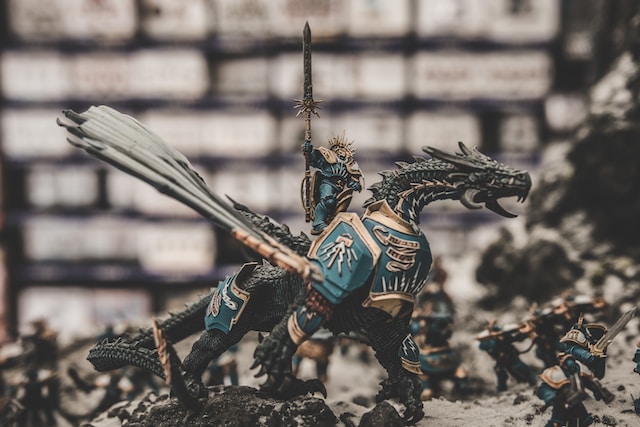
Tieflings are often depicted with skin colors that range from deep red to blue-black, and sometimes even shades of purple or green. While there is no set meaning behind tiefling skin colors, they are often used to convey different aspects of the character’s personality, backstory, or abilities.
Here are some possible interpretations of tiefling skin colors in Dungeons and Dragons:
- Red: Tieflings with red skin are often associated with demonic power and aggression. This color may suggest that the character has a fiery temper, is quick to anger, or has a tendency towards violence. Alternatively, red may be seen as a symbol of passion and desire, indicating that the character is charismatic and alluring.
- Blue: Tieflings with blue skin are often associated with magic and mystery. This color may suggest that the character has arcane or psychic abilities, or is highly attuned to the spiritual realm. Alternatively, blue may be seen as a symbol of calmness and serenity, indicating that the character is level-headed and rational.
- Purple: Tieflings with purple skin are often associated with royalty and nobility. This color may suggest that the character comes from a prestigious or powerful family, or has a regal bearing and demeanor. Alternatively, purple may be seen as a symbol of creativity and innovation, indicating that the character is inventive and imaginative.
- Black: Tieflings with black skin are often associated with darkness and shadow. This color may suggest that the character has a secretive or mysterious nature, or is skilled in stealth and deception. Alternatively, black may be seen as a symbol of strength and resilience, indicating that the character is able to endure hardship and overcome adversity.
- Green: Tieflings with green skin are often associated with nature and the wilderness. This color may suggest that the character has a connection to the natural world, or possesses druidic or ranger-like abilities. Alternatively, green may be seen as a symbol of growth and renewal, indicating that the character is adaptable and able to change.
- White: Tieflings with white skin are often associated with purity and innocence. This color may suggest that the character is idealistic or naive, or has a strong moral compass. Alternatively, white may be seen as a symbol of wisdom and enlightenment, indicating that the character has a deep understanding of the world and its workings.
It’s worth noting that tiefling skin color is not always indicative of the character’s personality or abilities. Skin color is just one aspect of a character’s appearance, and players and dungeon masters are encouraged to come up with their own interpretations and ideas based on their own creative vision.
In addition, tiefling skin color may be influenced by other factors, such as their environment, upbringing, or personal experiences. For example, a tiefling who grows up in a hot, arid region may have darker skin to protect against the sun, while a tiefling who spends most of their life underground may have paler skin due to lack of sunlight.
In summary, tiefling skin colors in Dungeons and Dragons can be interpreted in many different ways, and are often used to convey aspects of a character’s personality, backstory, or abilities. While there is no set meaning behind each color, they can be a useful tool for creating a unique and memorable character.