20/30 vision is a measure of visual acuity, which refers to the sharpness and clarity of vision. The term “20/30” means that a person can see at 20 feet what a person with normal vision can see at 30 feet. In other words, a person with 20/30 vision needs to be 20 feet away from an object to see it as clearly as someone with normal vision can see it from 30 feet away.
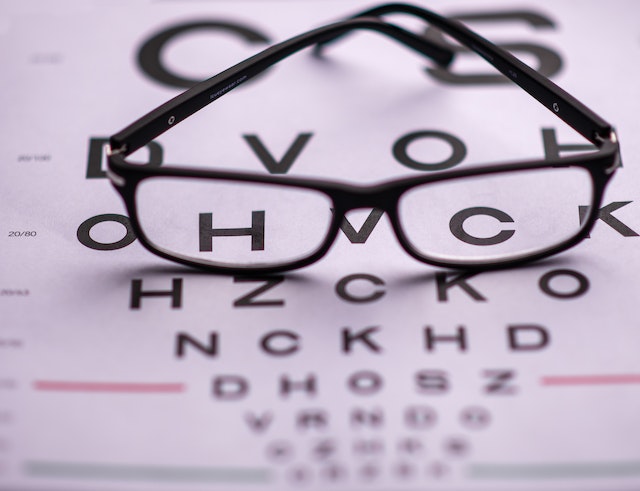
While 20/30 vision is not considered perfect, it is still considered relatively good. A person with 20/30 vision can see reasonably well, but may need to get closer to objects or use corrective lenses in order to see them more clearly.
To get a better sense of what 20/30 vision looks like, it may be helpful to compare it to other levels of visual acuity:
- 20/20 vision: This is considered “normal” or “perfect” vision. A person with 20/20 vision can see at 20 feet what a person with normal vision can see at 20 feet.
- 20/40 vision: This is the minimum level of visual acuity required to obtain a driver’s license in most states. A person with 20/40 vision can see at 20 feet what a person with normal vision can see at 40 feet.
- 20/60 vision: This level of visual acuity is considered “legally blind” in the United States. A person with 20/60 vision can see at 20 feet what a person with normal vision can see at 60 feet.
So, compared to these other levels of visual acuity, 20/30 vision is relatively good. However, it is important to keep in mind that visual acuity is not the only measure of good vision. Other factors such as depth perception, color vision, and peripheral vision also play important roles in overall visual function.
In terms of what 20/30 vision actually looks like, it can be difficult to describe because everyone’s experience of vision is unique. However, here are some general characteristics that may be associated with 20/30 vision:
- Objects that are far away may appear slightly blurry or less sharp than they would to someone with 20/20 vision.
- Reading small text from a distance may be challenging, and may require the use of reading glasses or other corrective lenses.
- Driving at night or in low-light conditions may be more difficult, as objects may appear less clear or may be harder to see in the dark.
- Colors may appear slightly less vibrant or distinct than they would to someone with 20/20 vision.
It is important to note that there are many factors that can affect a person’s visual acuity, including age, genetics, and underlying health conditions. Additionally, some people may have different levels of visual acuity in each eye, which can affect how they perceive objects and navigate the world around them.
If you are concerned about your vision or experiencing changes in your visual acuity, it is important to speak with an eye doctor or healthcare professional. They can perform a comprehensive eye exam and recommend any necessary treatments or corrective measures to help you see as clearly as possible.