Feathers have been used as symbols throughout human history, appearing in art, literature, and mythology across cultures and time periods. The symbolism of feathers can vary depending on the culture, but there are some common themes that can be found.
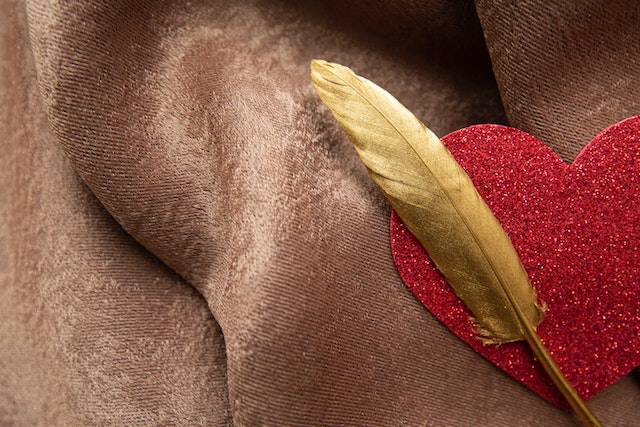
One of the most common associations with feathers is the idea of flight or freedom. Feathers are lightweight and able to be carried by the wind, and their use in wings allows birds and other creatures to take to the skies. As a result, feathers can be seen as a symbol of liberation, transcendence, or spiritual elevation. In some cultures, feathers were even believed to have the power to carry messages to the heavens, acting as a conduit between the earthly realm and the divine.
Feathers can also represent strength, power, and courage. Many birds of prey, such as eagles and hawks, have sharp talons and powerful beaks that allow them to hunt and defend themselves. Their feathers, too, are designed for durability and resilience, allowing them to withstand harsh weather conditions and protect their bodies from injury. In some cultures, feathers were used as symbols of strength and bravery, given as awards to warriors who had demonstrated exceptional courage in battle.
Another common association with feathers is beauty and adornment. Feathers come in a wide range of colors and patterns, making them highly desirable for use in fashion and decoration. In many cultures, feathers were used to create elaborate headdresses, clothing, and accessories, which were worn for ceremonial purposes or as signs of status and wealth. Feathers can also be used to enhance the beauty of objects in nature, such as the intricate patterns found on butterfly wings or the iridescence of peacock feathers.
Feathers can also have symbolic associations with specific animals. For example, the feathers of an owl are often associated with wisdom and knowledge, as owls are seen as wise and intelligent creatures. Similarly, the feathers of a peacock are associated with beauty and pride, as these birds are known for their striking plumage and tendency to display it in courtship rituals. The feathers of a swan are associated with grace and elegance, as these birds are known for their smooth, flowing movements and graceful presence on the water.
In some cultures, feathers are also associated with healing and medicine. Certain types of feathers, such as those of a hawk or eagle, were believed to have special healing properties and were used in various forms of traditional medicine. Feathers can also be used in energy healing practices, where they are believed to help balance and align the body’s energy centers, or chakras.
Feathers can also have different meanings depending on their color. White feathers, for example, are often associated with purity, innocence, and spirituality, while black feathers can be seen as symbols of mystery, death, or protection. Red feathers may represent passion, love, or courage, while yellow feathers can symbolize happiness, joy, or optimism.
In Native American cultures, feathers hold significant spiritual and cultural importance. They are seen as gifts from the Creator, and their use in ceremonies and rituals is highly respected. Each type of feather holds a different meaning, and their use is guided by specific traditions and protocols. For example, eagle feathers are highly prized and are only used in certain ceremonies, such as the Sun Dance.
In conclusion, feathers can symbolize a wide range of concepts and ideas, including flight, freedom, strength, beauty, healing, and spirituality. Their symbolic associations can vary depending on culture and context, but they are often highly valued and respected for their unique qualities and characteristics. Whether used as decorations, healing tools, or objects of spiritual significance, feathers continue to hold a special place in human history and culture.