During pregnancy, the body undergoes a number of physical changes, both visible and invisible. One of the most obvious changes is the appearance of a pregnant belly, which gradually grows and expands as the fetus develops. In general, a soft pregnant belly is considered to be a normal part of pregnancy, and is not necessarily a cause for concern. However, there are some cases where a soft pregnant belly may indicate an underlying issue.
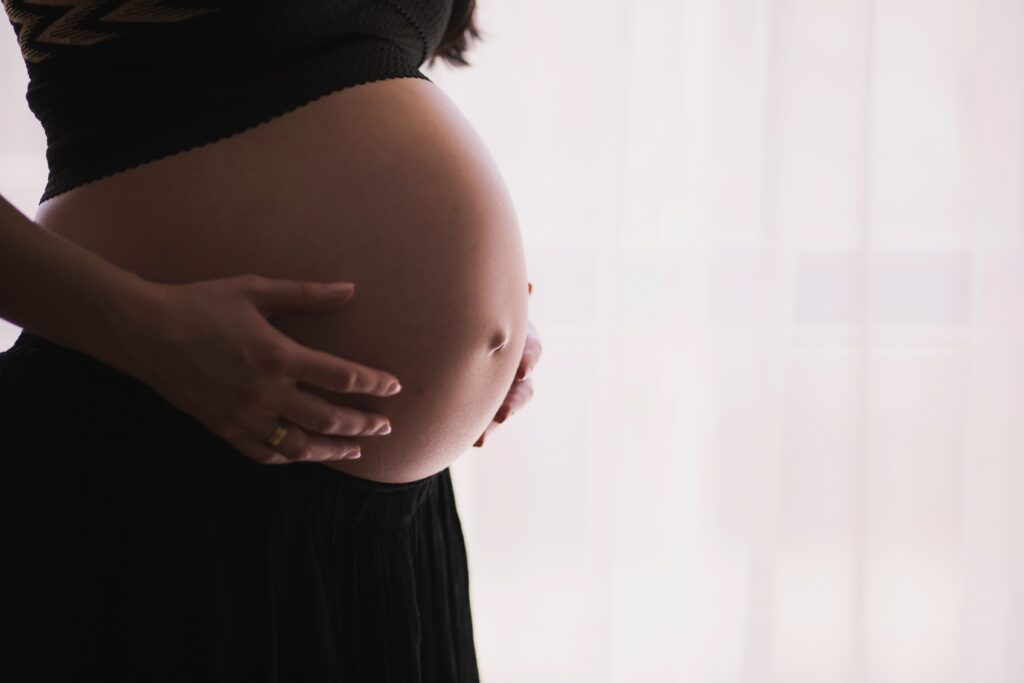
Here are some possible reasons why a pregnant belly may feel soft:
- Early pregnancy: In the early stages of pregnancy, the uterus is still relatively small and may not be noticeable. During this time, the belly may feel soft and relatively flat. As the pregnancy progresses, the uterus will grow and the belly will become more firm.
- Fetal position: The position of the fetus can affect how the pregnant belly feels. For example, if the fetus is positioned towards the back of the uterus, the belly may feel softer than if the fetus is positioned towards the front.
- Amniotic fluid: The amount of amniotic fluid in the uterus can also affect how the pregnant belly feels. If there is a lower amount of amniotic fluid, the belly may feel softer than if there is a higher amount.
- Abdominal muscles: The strength and tone of the abdominal muscles can also affect how the pregnant belly feels. If the muscles are weak or stretched, the belly may feel softer than if the muscles are strong and tight.
- Weight gain: In some cases, a soft pregnant belly may be due to excessive weight gain or fluid retention. This can cause the belly to feel soft and squishy, even if there is a significant amount of underlying fetal growth.
While a soft pregnant belly is generally considered to be normal, there are some cases where it may indicate an underlying issue. Here are some possible reasons why a soft pregnant belly may be cause for concern:
- Preterm labor: In some cases, a soft pregnant belly may be a sign of preterm labor. This occurs when the uterus begins to contract and the cervix begins to dilate before 37 weeks of pregnancy. Other signs of preterm labor include regular contractions, back pain, and vaginal bleeding.
- Fetal distress: If the fetus is experiencing distress, it may affect how the pregnant belly feels. For example, if the fetus is not receiving enough oxygen or nutrients, the belly may feel soft and flaccid. Other signs of fetal distress include decreased fetal movement, abnormal fetal heart rate, and vaginal bleeding.
- Miscarriage: In some cases, a soft pregnant belly may be a sign of an impending miscarriage. This occurs when the fetus is not able to develop properly and is not viable. Other signs of a miscarriage include vaginal bleeding, cramping, and the passage of tissue or fluid.
- Hydramnios: Hydramnios, or excessive amniotic fluid, can cause the pregnant belly to feel soft and squishy. This occurs when the body produces too much amniotic fluid, which can cause the uterus to stretch and become distended. Other signs of hydramnios include difficulty breathing, swelling, and abdominal pain.
If you are concerned about your soft pregnant belly, it is important to consult with your healthcare provider. They can perform a physical exam, evaluate your symptoms, and recommend any necessary tests or treatments. In general, it is important to maintain regular prenatal care throughout your pregnancy to ensure the health and well-being of both you and your baby.