The word “blood” refers to the fluid that circulates through the arteries, veins, and capillaries of the body, carrying oxygen and nutrients to the tissues and removing waste products. Blood is a vital component of the human body, and its importance cannot be overstated. The word “blood” is not an acronym and does not stand for any particular phrase or concept. Rather, it is a term that has been used throughout history to describe this essential bodily fluid.
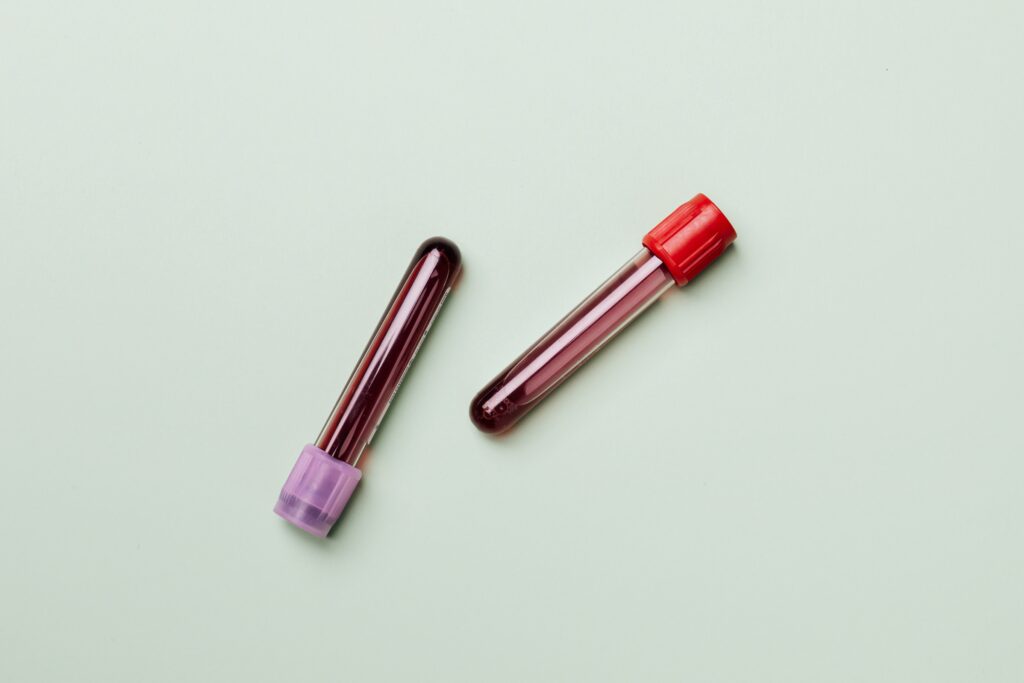
Blood is made up of several different components, including red blood cells, white blood cells, platelets, and plasma. Each of these components plays a critical role in the function of the circulatory system and overall health of the body.
Red blood cells, or erythrocytes, are responsible for carrying oxygen from the lungs to the tissues and removing carbon dioxide from the body. These cells are disk-shaped and contain hemoglobin, a protein that binds to oxygen and gives the cells their distinctive red color.
White blood cells, or leukocytes, are part of the body’s immune system and help to defend against infection and disease. There are several different types of white blood cells, each with its own unique function.
Platelets, or thrombocytes, are small cell fragments that play a critical role in blood clotting. When a blood vessel is damaged, platelets rush to the site of the injury and form a clot to prevent further bleeding.
Plasma is the liquid component of blood and makes up about 55% of its total volume. It is made up of water, electrolytes, proteins, and other substances, and helps to transport nutrients, hormones, and waste products throughout the body.
Blood is produced in the bone marrow, the spongy tissue found inside the bones. The production of blood is regulated by a complex system of hormones and feedback mechanisms, which ensure that the body always has the appropriate number of blood cells and platelets.
Blood plays a critical role in many important bodily functions, including wound healing, immune system function, and the regulation of body temperature. It also helps to transport nutrients, hormones, and waste products throughout the body, and is essential for the proper functioning of the circulatory system.
In addition to its physiological functions, blood has also played an important role in many cultural and religious traditions throughout history. In many cultures, blood is seen as a symbol of life and vitality, and has been used in various rituals and ceremonies.
In conclusion, blood is a vital component of the human body that plays a critical role in many important bodily functions. It is made up of several different components, each with its own unique function, and is produced in the bone marrow. While the word “blood” does not stand for any particular phrase or concept, it is a term that has been used throughout history to describe this essential bodily fluid.